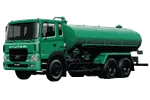

Decode your Hyundai VIN to find factory specifications, build options, and exact OEM part compatibility.


This Hyundai special vehicle parts catalog is a reference resource for identifying components and researching OEM part numbers. Its scope is limited to the Special Vehicle — Special Vehicle (2004–2007) entry displayed on this page. It does not represent Hyundai construction equipment or a general catalog for unrelated machinery.
Begin by opening the displayed vehicle generation, then follow the available catalog navigation into the relevant component group. Depending on the material shown for a particular configuration, the catalog may help with research into chassis-related items, body components, mounting hardware and other illustrated assemblies. Coverage can vary between groups, so the displayed navigation should define what can be investigated.
The catalog can be approached through universal categories or manufacturer categories. Universal categories provide a familiar component-oriented route, while manufacturer categories preserve the organization presented for the vehicle. Comparing both routes can be useful when the name used in workshop notes or on an existing component differs from the catalog wording.
A Hyundai exploded view shows how illustrated components relate within an assembly. Numbered callouts connect positions in the drawing to rows in the accompanying parts list. A callout is only a pointer to that row; it is not necessarily an orderable OEM number. The row may contain a part-number reference, description, quantity note or other distinction needed to interpret the illustration.
When researching Hyundai special vehicle OEM parts, read the diagram and parts list together. Nearby components can look similar but serve different positions or configurations. Record the number exactly as displayed, along with the assembly context, callout and vehicle entry from which it was taken.
Manual browsing should start with the displayed Special Vehicle (2004–2007) generation. After opening it, review any factory configuration choices presented by the catalog before moving to an assembly. Do not choose solely from a familiar component name or visual resemblance. Production period, configuration wording, position and notes can affect which row is relevant.
The year range identifies the catalog generation shown here, but it should not be treated as proof that a number applies to a particular vehicle. Special-purpose vehicles may require especially careful comparison because body, chassis and installed equipment details can differ.
VIN lookup is an independent, vehicle-specific research path. It is not one of the manually browsed configurations and does not select a configuration within the generation list. If VIN-based information is available, use it separately and compare its results with the vehicle itself and reliable documentation.
An OEM number is a useful research reference, but it does not by itself guarantee applicability. 7zap is an independent reference catalog and is not affiliated with Hyundai.
The supplied catalog scope is the Special Vehicle — Special Vehicle (2004–2007) entry displayed above. No other Hyundai model family is implied.
Not necessarily. The callout directs you to a parts-list row, where an OEM number or another type of catalog reference may be shown.
The illustration can narrow the search, but identification should also use the row description, position, configuration details and markings on the original component.
No. Confirm the vehicle context and assembly details, then seek an additional professional check before relying on the number.