

Decode your Cadillac VIN to find factory specifications, build options, and exact OEM part compatibility.






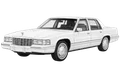
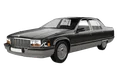

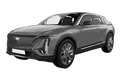

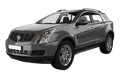


The Cadillac parts catalog on 7zap provides a structured reference for identifying components and researching Cadillac OEM part numbers. This page covers the Cadillac vehicle entries displayed in the cars section. Catalog pages found in other 7zap sections should be browsed separately, because their vehicle lists and assembly navigation may differ.
Begin by selecting the appropriate Cadillac model and displayed generation. The catalog can then lead through assembly groups and diagram pages associated with that vehicle choice. Depending on the selected entry, these pages may help distinguish related components within areas such as the body, powertrain, electrical system, interior, suspension, steering, or braking system. Coverage can vary between generations and configurations.
The generation list includes vehicles from different periods of Cadillac production. Examples include Allante (1987–1993), Fleetwood Brougham D-Body (1993–1996), CTS 1st Generation (2003–2007), XLR (2004–2009), and SRX 2nd Generation (2010–2016). More recent entries include XT5 (2017–2025), CT5 (2020–2025), Escalade 5th Generation (2021–2025), and Lyriq (2023–2025).
Model names alone are not sufficient for reliable parts research. Cadillac generations can have separate catalog structures, while the configuration details presented after selection may further affect the applicable diagram or parts-list row. Check the displayed generation, year range, and any available factory configuration information before recording a number.
A Cadillac parts diagram presents components in their assembly context. Numbered callouts connect illustrated items to rows in the accompanying parts list, making it easier to separate nearby brackets, fasteners, housings, covers, modules, or other components. The drawing is a visual reference and should be read together with the list.
A callout number is not necessarily an orderable OEM part number. It usually points to a row where the catalog may show a part description and reference number. Notes, quantity information, position details, or configuration distinctions should be considered when present. A Cadillac exploded view can clarify where a component belongs, but the illustration may simplify its shape or surrounding hardware.
VIN lookup is independent from manually choosing a model, generation, and displayed factory configuration. It provides a vehicle-specific route into the catalog rather than acting as another configuration choice. If a VIN path is used, compare its results with the vehicle and component information available to you; do not treat the VIN route as a guarantee that a listed number fits the intended repair.
Record the OEM number, description, diagram position, and relevant notes together. Compare those details with the component removed from the vehicle, including visible labels, connectors, mounting points, and left- or right-side placement where relevant. Differences in punctuation or spacing can matter when numbers are searched elsewhere, so retain the catalog formatting while also checking normalized forms if needed.
7zap is an independent reference catalog and is not affiliated with Cadillac. OEM numbers are useful research references, but a number by itself does not guarantee applicability. Confirmation through the vehicle documentation, the existing component, or a knowledgeable parts specialist is advisable before purchasing or installing a replacement.
Select the model and generation that match the vehicle, then review the configuration information shown by the catalog. Open the relevant assembly group and use the diagram with its parts list.
Not necessarily. A callout identifies a position in the illustration and directs you to a parts-list row. The associated row is where an OEM number may be displayed.
The catalog may show the same reference in more than one context, but that should not be assumed from the number alone. Check each selected vehicle path and its accompanying notes independently.
Vehicles sharing a model name or generation may still have catalog distinctions. Reviewing the displayed configuration helps narrow the relevant assembly pages and reduces the risk of relying on an unrelated parts-list entry.