

Decode your Pontiac VIN to find factory specifications, build options, and exact OEM part compatibility.

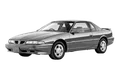
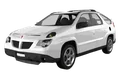

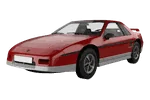
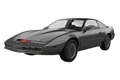


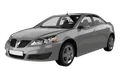
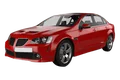
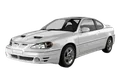
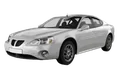
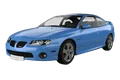

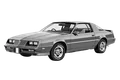

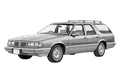
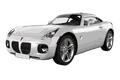
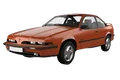
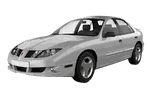
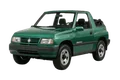
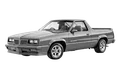
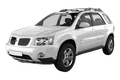


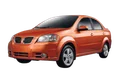
The Pontiac parts catalog on 7zap is a reference resource for identifying components shown for selected passenger-car generations. It helps connect vehicle context, assembly diagrams, numbered callouts, and parts-list entries so that users can research Pontiac OEM parts without relying on a description alone. The catalog is independent and is not affiliated with Pontiac or its manufacturer.
Coverage follows the vehicles displayed on this page. Examples include Firebird 2nd Generation (1976–1981), Fiero (1984–1988), Grand Prix 5th Generation (1988–1996), and Grand Am 5th Generation (1999–2005). Later catalog choices include Bonneville 10th Generation (2000–2005), G6 (2005–2010), G8 (2008–2009), and Solstice (2006–2010). These entries provide the starting context for browsing; they should not be treated as interchangeable solely because they share the Pontiac name.
After choosing a displayed vehicle generation, follow the available catalog navigation into the relevant system or assembly group. Depending on the selected entry, a Pontiac parts diagram may show how related components are positioned within an assembly. This visual context can be useful when several items have similar names or when a small fastener, bracket, seal, or related piece is difficult to identify from text.
Numbers placed on a Pontiac exploded view are callouts. Each callout points to a corresponding row in the parts list; it is not necessarily an orderable OEM part number. The row may provide a part description, reference number, quantity context, or notes available for that catalog entry. Record the OEM number together with the assembly and vehicle details rather than copying the number in isolation.
Begin with the model and generation shown in the catalog, then review any displayed factory configuration choices before opening an assembly. A GTO 3rd Generation (2004–2006), an Aztek (2001–2005), and a Vibe 1st/2nd Generation (2003–2010) are separate catalog contexts. Similar-looking components or repeated descriptions do not establish compatibility between them.
For practical verification, compare the Pontiac part number, description, diagram position, quantity information, and available configuration notes. Check the reference against the vehicle being serviced and against reliable documentation or a knowledgeable parts specialist. An OEM number is a valuable research key, but it does not by itself guarantee applicability, current status, or fitment.
VIN lookup is an independent, vehicle-specific path. It is not a configuration and does not select one of the manually browsed catalog configurations. When VIN-based information is available, use it separately from model-and-generation browsing, then verify any resulting references against the vehicle and the relevant diagram context.
The catalog may display OEM references associated with parts-list rows for supported entries. Treat each number as a research reference and confirm it for the specific vehicle before making service or sourcing decisions.
A callout identifies a position in the illustration and directs you to a parts-list row. The OEM part number, when shown, appears in the associated listing and serves a different purpose.
No. Choose the displayed generation and review the available factory configuration details. Model names can span distinct catalog contexts, so generation-level selection reduces ambiguity.
No. Diagrams and Pontiac part numbers support identification, but final applicability should be checked using the vehicle details, catalog notes, physical component, and other reliable documentation.