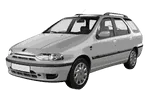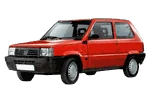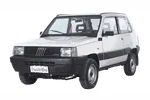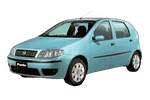

Decode your Fiat VIN to find factory specifications, build options, and exact OEM part compatibility.


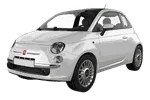
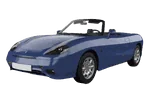
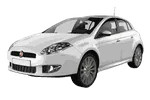
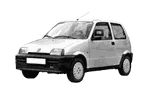
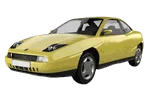
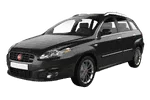
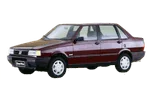
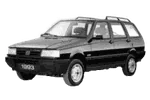
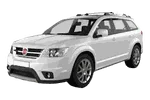
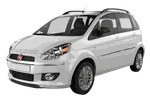
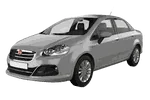
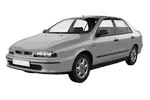
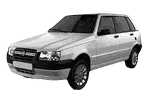
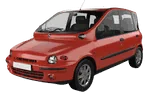
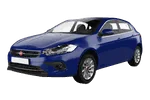
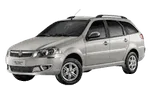
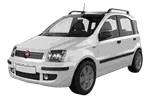
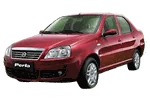
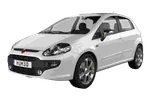
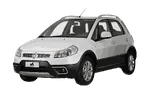
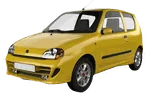
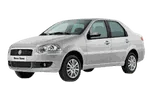
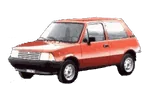
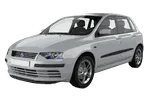
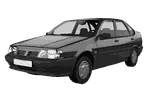
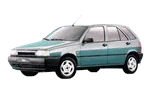
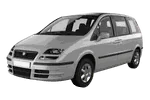
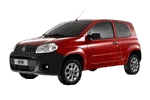
The Fiat parts catalog on 7zap is a reference resource for identifying components and researching OEM part numbers. This page is dedicated to Fiat passenger cars, keeping the browsing context distinct from the brand’s commercial vehicles. Start with the vehicle generations displayed above, then follow the catalog structure to the system or assembly relevant to your research.
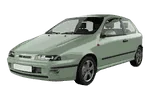
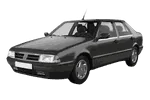
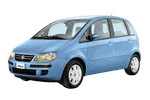
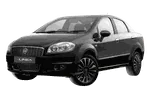
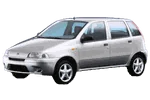
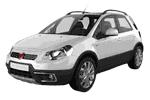
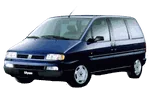
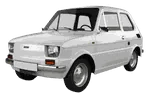
The available generation choices span varied Fiat passenger-car families. Examples include the 126 (Type 126), Panda (Type 141) 1st Facelift, Uno (Type 146), Tipo (Type 160), and Punto 176. Later catalog contexts include the 500 (Type 312), Nuova Bravo (Type 198), Multipla (Type 186), Sedici 189, and Freemont JC49. These references help distinguish similarly named vehicles before opening a diagram or parts list.
Catalog navigation can help narrow research from a displayed vehicle generation to relevant component groups. Depending on the selected catalog context, these may cover areas such as the engine, transmission, body fittings, electrical equipment, braking components, suspension, steering, cooling, interior trim, or related hardware. The available groups and illustrations can differ between vehicles and configurations.
Where category navigation is shown, it may use universal categories or manufacturer categories. Both are ways to reach useful assembly references, but their organization may differ. If one path does not match the terminology on the vehicle or repair documentation, reviewing the other can provide a clearer route to the relevant diagram.
A Fiat parts diagram presents components in their assembly context. Numbered callouts connect the illustrated items to rows in an accompanying parts list, where an OEM reference, description, quantity note, or configuration condition may be displayed. A callout is only a pointer to a parts-list row; it is not necessarily an orderable part number.
When a Fiat OEM part number appears, treat it as a research reference rather than proof of applicability. Similar-looking components can vary because of the selected generation, factory configuration, engine or transmission context, equipment differences, or production-related conditions recorded in the catalog. The diagram position is useful for understanding relationships between parts, while the list supplies the identifying details that require verification.
Begin by matching the displayed family and generation to the vehicle. For example, Coupe (Type 175), Ulysse 179, and Multipla (Type 186) lead to different passenger-car catalog contexts even if a broad component description appears similar. Do not rely on the model name alone when a type or generation reference is available.
VIN lookup is an independent, vehicle-specific route and is separate from manually browsing a displayed Fiat generation and configuration. It should not be treated as another manual configuration choice. When vehicle-specific identification is available, it can provide an additional research path, but the resulting references should still be checked against the vehicle, component markings, and appropriate documentation.
Yes. Open the relevant generation, locate the assembly, and match the diagram callout to its parts-list row. Record the OEM number together with any description or condition shown, then verify applicability independently.
No. The callout identifies a row associated with the illustration. That row may contain an OEM number, a description, a grouped item, or another catalog reference.
No. A Fiat part number is a useful identification and cross-reference starting point, but it does not by itself guarantee that the component applies to a particular vehicle.
No. This landing page covers the supplied Fiat passenger-car catalog generations. Commercial-vehicle research should begin in the separate commercial section so that vehicle families and assembly contexts are not mixed.
No. 7zap is an independent reference catalog and is not affiliated with Fiat. Its diagrams and number references should be used alongside vehicle details and reliable technical sources.