

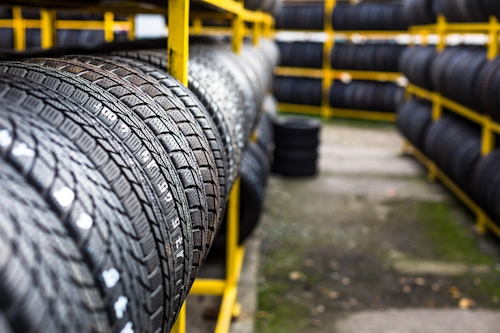
Seasonal tires are one of the most important investments for drivers who care about safety and performance. Switching between summer and winter tires ensures optimal grip, fuel efficiency, and braking stability. However, what many drivers underestimate is the importance of proper tire storage. When neglected, storage conditions can drastically shorten the lifespan of even premium tires. This guide explains in detail how to prepare, label, package, and store your tires so they serve you reliably season after season.
1. Why Proper Tire Storage Matters
Tires are made of a complex mix of rubber, synthetic compounds, and steel reinforcements. These materials are sensitive to temperature, UV radiation, and humidity. Improper storage can lead to:
- Cracking of the rubber due to ozone and sunlight exposure.
- Loss of elasticity, which reduces traction.
- Flat spots or deformation if stored incorrectly.
- Corrosion of rims in the case of mounted tires.
By following best practices, you can easily extend the life of a tire set by two or more years, saving money and improving safety.
2. Step-by-Step Preparation Before Storage
2.1 Cleaning
Before storage, each tire should be carefully cleaned. Remove stones from the tread and wash off dirt, brake dust, and salt residues. Use a mild detergent and a soft brush. Avoid aggressive cleaners that may damage the protective wax layer on the rubber.
2.2 Drying
Moisture trapped on or inside the tire accelerates corrosion (especially for rims) and encourages mold growth. Always dry the tires completely before packaging. A dry cloth or compressed air helps speed up the process.
2.3 Inspection
Check the tread depth, look for uneven wear, and inspect sidewalls for cracks or bubbles. If defects are found, mark the tire for replacement. Storing a damaged tire is pointless and potentially unsafe.
3. Marking and Labeling Tires
To make reinstallation faster and to ensure even wear, it is crucial to label your tires before storing them. Use chalk or a permanent marker to indicate their last position:
- FL – Front Left
- FR – Front Right
- RL – Rear Left
- RR – Rear Right
This ensures that during the next season you can rotate them correctly (e.g., swapping front and rear). Rotation balances wear and increases overall tire longevity.
4. Packaging: Protection Against External Factors
Tires should not be left exposed to air, dust, and sunlight. The best practice is to store them in specialized tire bags or airtight plastic covers. When sealed, the bags limit oxygen and ozone exposure, which are among the main culprits of rubber aging.
Key packaging tips:
- Use opaque bags or covers to block UV rays.
- Remove as much air as possible before sealing.
- Avoid storing tires in thin, torn, or ventilated bags that let in moisture.
5. Optimal Storage Conditions
5.1 Temperature
Tires should be stored in a cool, stable environment. The ideal temperature range is +10°C to +25°C (50°F to 77°F). Avoid direct exposure to heat sources, radiators, or areas with extreme temperature fluctuations.
5.2 Humidity
Moderate humidity (around 50%) is best. Excess humidity accelerates corrosion of rims, while overly dry air can cause rubber to harden. Basements or garages with controlled ventilation are ideal.
5.3 Light
UV rays are extremely harmful to rubber. Tires should always be stored away from sunlight. A dark, closed storage area is preferable.
5.4 Positioning
- Unmounted tires (without rims) should be stored vertically and rotated every 1–2 months to prevent deformation.
- Mounted tires (with rims) can be stacked horizontally but no more than 4 at a time. Alternatively, they can be hung on wall hooks.
6. Common Mistakes to Avoid
- Leaving tires outdoors under a cover — condensation and temperature swings cause damage.
- Storing near chemicals or solvents — fumes may degrade the rubber.
- Stacking unmounted tires flat for long periods — risk of sidewall deformation.
- Forgetting to label positions — leads to uneven wear after reinstallation.
7. HowTo: Properly Store Seasonal Tires
Step 1: Clean the Tires
Wash off dirt, salt, and debris with a mild detergent and brush. Ensure they are fully dry.
Step 2: Inspect and Label
Check tread depth and sidewalls for damage. Mark each tire with its position (FL, FR, RL, RR).
Step 3: Package Securely
Place each tire in a special storage bag or airtight plastic cover. Remove excess air.
Step 4: Store in Optimal Conditions
Keep in a cool, dry, and dark place. Store vertically if unmounted, or stacked/hung if mounted.
Conclusion
Proper storage of seasonal tires is not just about convenience; it directly impacts safety, performance, and cost-effectiveness. By cleaning, labeling, packaging, and storing them in the right conditions, you can extend their lifespan significantly and enjoy a smoother, safer ride every season.