

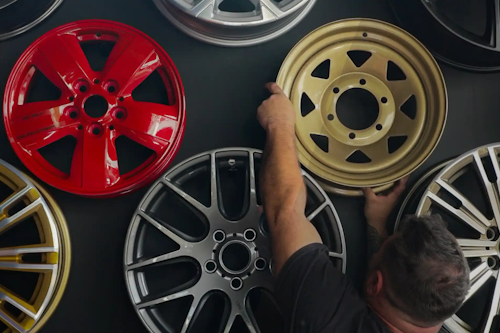
Choosing between aluminum and steel wheels has become a defining decision for modern car owners and mechanics alike. It’s not just about style or cost — it’s a question of performance, maintenance, corrosion resistance, and repairability. Whether you drive a family sedan, a rugged off-roader, or a performance coupe, the choice of wheel material affects everything from handling precision to long-term reliability.
1. Understanding the Basics
At a glance, both wheel types perform the same function — they support the tire, transmit power to the road, and contribute to the car’s aesthetics. But the material difference between steel and aluminum alloys creates distinct advantages and trade-offs in weight, strength, and corrosion resistance.
- Steel wheels are made from pressed and welded steel sheets, offering simplicity, durability, and lower cost.
- Aluminum wheels (often called alloy wheels) are cast or forged, providing lighter weight and enhanced heat dissipation — ideal for performance and efficiency.
2. Weight and Performance
The first and most noticeable difference is weight. Aluminum wheels are significantly lighter than their steel counterparts. This reduction in unsprung mass — the part of the vehicle not supported by the suspension — leads to sharper handling, quicker acceleration, and improved braking performance. For sports cars and dynamic driving, this is a clear advantage.
Steel wheels, on the other hand, are heavier, but that’s not always a disadvantage. In harsh winter conditions or off-road environments, extra weight can improve traction and stability. Many winter drivers intentionally switch to steel wheels for seasonal use because they handle impacts from potholes or ice chunks better than fragile aluminum rims.
3. Durability and Damage Resistance
When it comes to impact resistance, steel wheels are tougher in the sense that they can bend rather than crack. A bent steel rim can often be straightened with specialized tools or even basic workshop equipment. Aluminum wheels, however, tend to crack under heavy impact — and once cracked, they’re generally considered unsafe to repair for high-speed use.
That said, modern forged aluminum wheels are far stronger than traditional cast ones and can withstand substantial stress without failure. For high-end vehicles or motorsports, forged alloys combine lightweight construction with impressive durability.
4. Corrosion Resistance
Corrosion is the silent enemy of all metals, and here’s where the differences become more pronounced. Steel wheels are prone to rust if the protective paint or coating is damaged. Once corrosion starts, it can spread beneath the paint layer, leading to flaking, pitting, and eventual weakening of the rim structure. Regular cleaning and applying anti-corrosion spray during winter can greatly extend their life.
In contrast, aluminum wheels resist rust but are not immune to corrosion. Instead of red rust, they suffer from oxidation, which appears as white powdery spots or bubbles under the clear coat. Road salt and moisture can accelerate this process, especially in colder climates. Polishing, waxing, and sealing aluminum rims help maintain their finish and prevent oxidation.
5. Maintenance and Care
Proper care is the key to long-lasting wheels, regardless of material. Here’s a maintenance checklist for each type:
For Steel Wheels:
- Inspect the paint coating regularly — chips and scratches invite rust.
- Use a mild detergent and soft brush for cleaning; avoid abrasive products.
- During winter, rinse wheels frequently to remove road salt and debris.
- Repaint or apply rust-preventive coating annually if used in harsh conditions.
For Aluminum Wheels:
- Clean with pH-balanced wheel cleaners to avoid damaging the clear coat.
- Apply a wheel wax or ceramic sealant to protect against oxidation.
- Inspect for cracks or dents — even small damage can lead to imbalance or air leaks.
- Avoid acidic cleaners and aggressive brushes that can dull the finish.
Consistent maintenance not only preserves appearance but also ensures structural safety, especially for high-speed driving.
6. Repair and Straightening
Wheel damage is inevitable over time — potholes, curbs, and temperature changes take their toll. The repair process depends on material and severity of the defect.
Repairing Steel Wheels:
Steel wheels can usually be straightened using hydraulic presses or specialized jigs. Minor bends can often be fixed in a workshop for a modest cost. After straightening, it’s essential to check for cracks and repaint the wheel to prevent new corrosion. However, if the wheel shows deep rust or multiple structural deformations, replacement is safer.
Repairing Aluminum Wheels:
Aluminum wheel repair is more complex. If the rim is slightly bent or has cosmetic damage, it can be reshaped and refinished using controlled heat and mechanical pressure. Cracks, however, pose serious risks. Even though welding is technically possible, it can alter the wheel’s metallurgical structure, reducing strength and balance. For safety-critical vehicles or front wheels, experts often recommend replacement over repair.
7. Cost Considerations
Price often determines the choice between steel and aluminum wheels. Steel rims are the clear winners in affordability — they cost significantly less to manufacture and replace. That’s why they remain the go-to option for budget-conscious drivers and winter wheel sets.
Aluminum wheels, on the other hand, come at a premium. But their benefits — reduced weight, improved handling, and better aesthetics — often justify the cost. Over time, the fuel savings from lower rotational mass and improved tire longevity can offset the initial expense.
8. Environmental and Practical Aspects
From an environmental standpoint, aluminum production consumes more energy than steel, but it’s also highly recyclable. Both materials are sustainable when properly recycled, and most damaged wheels can be reprocessed into new products. In practice, steel wheels are easier to refurbish, while aluminum wheels often end up as scrap if cracked.
For fleet operators or garages, the decision often comes down to practicality: steel for durability and low-cost repair, aluminum for image and performance. Many workshops keep both types in stock to match different customer needs.
9. Choosing the Right Wheels for Your Vehicle
When deciding which type suits your vehicle best, consider your driving conditions, climate, and maintenance habits:
- City driving: Aluminum wheels offer comfort and appearance benefits.
- Winter or rough terrain: Steel wheels are more forgiving and easier to maintain.
- Performance driving: Forged aluminum wheels provide optimal weight-to-strength ratio.
- Budget-conscious owners: Steel remains the best cost-effective solution.
10. Final Thoughts
Ultimately, the choice between aluminum and steel wheels reflects a balance between practicality and personality. Steel wheels are the workhorses — durable, inexpensive, and easily repairable. Aluminum wheels are the athletes — sleek, light, and refined, but demanding more care and caution.
Whichever material you choose, proper maintenance and periodic inspection are the keys to safety and longevity. Corrosion prevention, correct tire mounting, and careful driving can easily add years to the life of your wheels.
In the end, both types can serve you well — as long as you understand their nature. Treat your wheels not just as hardware, but as an integral part of your car’s performance, safety, and character.