

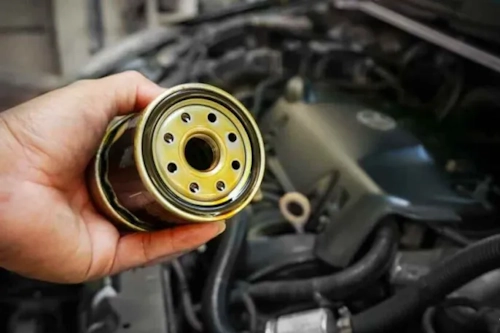
That unassuming cylinder screwed onto your engine block isn't just another part – it's a meticulously engineered fortress protecting your vehicle's heart. While most drivers understand oil changes, the filter remains an unsung hero. Let's dismantle the mystery and see why this component deserves your attention.
Why Your Engine's Life Hangs on Clean Oil
Engine oil is more than just a lubricant; it's a cleansing agent. As it circulates under pressure, it picks up harmful contaminants: microscopic metal shavings from wear, abrasive silica dust from ingested air, carbon sludge from combustion, and even acidic byproducts. Left unchecked, these particles become destructive sandpaper within your bearings, cylinder walls, and camshafts. Studies show particles between 10-20 microns cause the most severe wear by bridging critical oil film clearances. A quality oil filter is your primary defense against this internal abrasion, directly impacting engine longevity and performance.
Inside the Fortress: How an Oil Filter Works
Modern spin-on filters (the most common type) are marvels of packaging and function. Here's the journey your oil takes:
- Dirty Oil Entry: Pressurized oil from the pump enters through small holes around the filter's base plate.
- Filtration: Oil is forced outwards to inwards through the pleated filter media. This media (cellulose, synthetic, or blend) traps contaminants as small as 10-20 microns while allowing clean oil to flow through.
- Clean Oil Return: Filtered oil collects in the central tube and flows back out through the large, threaded center hole into the engine's oil gallery.
Critical Internal Safeguards
- Anti-Drainback Valve: This silicone or nitrile rubber valve covers the inlet holes when the engine stops. It prevents oil from draining out of the filter and engine passages back into the oil pan. This ensures instant oil pressure during startup, preventing damaging "dry starts" that wear bearings and camshafts. Cold starts are particularly vulnerable without this valve.
- Bypass Valve (Relief Valve): A crucial safety net. If the filter becomes clogged (e.g., overdue change, extreme cold thickening the oil), oil pressure forces this spring-loaded valve open. This allows unfiltered oil to bypass the media and still reach the engine. While not ideal, it prevents catastrophic oil starvation. Better dirty oil than no oil!
- End Caps & Core Tube: Steel or nylon components providing structural integrity, preventing the pleated media from collapsing under pressure or vibration.
- Steel Canister & Gasket: The outer shell contains the system under pressure. The base plate gasket creates a vital seal against the engine block.
Beyond the Spin-On: Types of Oil Filters
| Filter Type | How It Works | Pros | Cons | Best For |
|---|---|---|---|---|
| Spin-On | Self-contained unit (media, canister, valves). Screws directly onto engine block. | Easy replacement, widely available, cost-effective. | Less eco-friendly (whole unit discarded). Size constraints limit media area. | Most gasoline cars & trucks, DIY enthusiasts. |
| Cartridge (Element) | Replacement element fits into a permanent housing bolted to the engine block. | More eco-friendly (only element replaced). Often larger surface area for better filtration/longer life. | Slightly messier replacement. Requires housing removal. | Many modern vehicles (European, Asian, newer US), environmentally conscious owners. |
| Magnetic | Uses magnets (often as an add-on plug or filter feature) to capture ferrous metal particles. | Excellent at trapping fine metallic wear debris. | Doesn't capture non-metallic contaminants. Usually supplements primary filter. | High-performance engines, fleet vehicles, added protection. |
| Centrifugal | Spins oil at high speed, using centrifugal force to fling heavier contaminants outward. | Very effective at removing dense particles without restrictive media. | Complex, expensive, primarily for specialized applications. | Racing engines, heavy-duty industrial engines. |
| Synthetic Media Filters (e.g., FRAM Ultra, Mobil 1) | Uses advanced synthetic fiber media instead of traditional paper/cellulose. | Higher dirt-holding capacity. Filters smaller particles (often sub-20 microns). Better flow when cold. Longer service life (often 10k-25k miles). | Higher initial cost. | Synthetic oil users, extended drain intervals, high-performance engines, severe driving conditions. |
* Based on specifications and comparisons from.
Choosing Your Champion: Beyond Just "Fitting"
Selecting the right filter involves more than just matching the thread size. Consider these factors:
- Manufacturer Specifications: Your owner's manual is the first stop. It dictates size, type, and sometimes even flow requirements. Ignoring this risks leaks, poor filtration, or restricted flow.
- Filtration Efficiency & Micron Rating: This indicates the smallest particle size the filter can reliably trap (e.g., 99% @ 20 microns). Lower micron ratings with high efficiency (e.g., 99% @ 10-15 microns) offer superior protection but may flow slightly less when cold or clog faster. Balance is key. Studies show moving from 40-micron to 15-micron filtration can reduce wear by 70% .
- Dirt-Holding Capacity: How much contaminant the filter can hold before the bypass valve opens or flow is restricted. Higher capacity means longer effective life, especially important for extended oil change intervals. Synthetic media generally excels here.
- Construction Quality: Cheap filters use thinner metal cans, weaker end caps, lower-quality adhesives, and inferior valve materials (nitrile vs. more heat-resistant silicone anti-drainback). These can collapse, leak, or fail prematurely. Premium brands invest in robust materials.
- Oil Type & Change Interval: Using synthetic oil? Pair it with a synthetic media filter designed for longer service life (e.g., 15k-25k miles). Conventional oil changes (3k-5k miles) can use standard cellulose media filters, but a synthetic blend filter still offers benefits. Never use a standard filter for extended synthetic oil drains.
- Driving Conditions: Stop-and-go traffic, short trips, extreme heat/cold, dusty or off-road environments (Severe Service) demand a tougher filter – think higher capacity, synthetic media, robust valves (e.g., FRAM Tough Guard, Mobil 1 Extended Performance).
- Vehicle Age & Mileage: High-mileage engines might benefit from filters emphasizing contaminant holding and consistent flow.
Debunking Common Oil Filter Myths
- Myth: "All filters are basically the same; just buy the cheapest one that fits."
Reality: Construction quality, media type, valve design, and quality control vary massively. A cheap filter might use ineffective media, have a weak bypass valve spring, or use a stiff anti-drainback valve that leaks, leading to dry starts and accelerated wear. You truly get what you pay for. - Myth: "A bigger filter is always better."
Reality: While a larger *canister* *can* sometimes mean more media surface area (increasing capacity), advancements in synthetic media allow smaller filters to achieve equal or better filtration and capacity than larger ones with older cellulose media. Design and media quality trump sheer size. - Myth: "I can skip changing the filter if I'm just topping up the oil."
Reality: The filter becomes saturated with contaminants. Leaving an old, clogged filter restricts oil flow (potentially triggering the bypass valve constantly), increases engine wear, and contaminates new oil quickly. Always change the filter with every oil change. - Myth: "Oil filters last the life of the oil, regardless of miles."
Reality: Filter life depends on contaminant load. Severe driving (dust, short trips, towing) clogs a filter much faster than highway miles, even if the oil itself hasn't degraded fully. Follow your vehicle's severe service schedule if applicable.
When the Guardian Fails: Symptoms of a Bad Oil Filter
Don't wait for disaster. Watch for these warning signs:
- Low Oil Pressure Warning Light: A clogged filter severely restricts flow, dropping oil pressure – a critical danger sign.
- Engine Ticking/Tapping on Startup: Often indicates delayed oil pressure due to a faulty anti-drainback valve letting oil drain out.
- Dark, Gritty Oil on Dipstick: While oil darkens normally, excessive grittiness suggests the filter isn't trapping contaminants effectively.
- Engine Running Hotter Than Usual: Dirty oil and restricted flow reduce lubrication and cooling.
- Oil Leak Around Filter Base: Damaged gasket, over/under-tightening, or a defective filter can cause leaks.
- Check Engine Light (Less Common): Can be triggered by persistent low oil pressure related to a clog.
The Final Word: Invest in the Filter, Protect the Engine
Your oil filter is a small investment with massive implications for your engine's health, longevity, and performance. Don't treat it as an afterthought. Understand its critical role, choose a quality filter matched to your vehicle, oil type, and driving needs, and replace it religiously with every oil change. That unassuming canister is the silent guardian standing between your prized engine and a world of abrasive contaminants eager to destroy it from within. Give it the respect it deserves.