

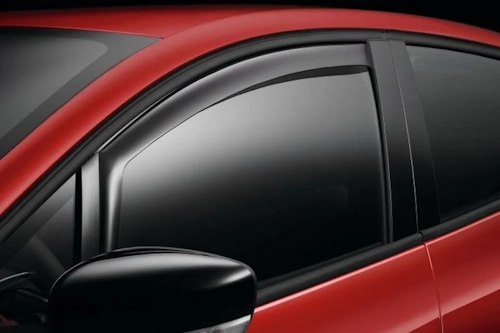
Car window tinting is one of the most popular aftermarket upgrades among car owners worldwide. It improves comfort, reduces glare, adds privacy, and protects the interior from UV damage. However, when it comes to tinting, not everything is about aesthetics. Local laws, visibility, and safety play a huge role in determining how dark or reflective your car windows can be. This article explores the key legal aspects of tinting, explains the different film types, and provides practical tips for installation — so you can enhance your car’s look without compromising safety or compliance.
Understanding Tinting Laws and Legal Limits
Every country, and often every state or region, has its own regulations regarding the permissible level of window tint. These rules are typically defined by the Visible Light Transmission (VLT) percentage — the amount of visible light that passes through the glass and the tint film combined. The lower the VLT number, the darker the tint.
For example:
- Front windshield: Usually allows only a narrow tinted strip at the top (commonly called a “sun visor strip”).
- Front side windows: Typically must allow 70% or more light to pass through.
- Rear windows: Often have fewer restrictions, sometimes as low as 20–30% VLT depending on local laws.
- Rear windshield: Similar to rear windows, but may vary if your vehicle has side mirrors.
It’s crucial to check your local vehicle code or road traffic regulations before installation. Many drivers assume “factory tint” is legal everywhere — it’s not. Even a minor deviation can result in fines, inspection failures, or even forced removal of the film. Moreover, in some jurisdictions, using reflective or mirrored tints is strictly prohibited because they can dazzle other drivers or interfere with police visibility.
Types of Window Tint Films
Not all tint films are created equal. Modern tint technology offers a wide range of materials designed for different needs — from budget-friendly solutions to high-performance coatings that block infrared radiation. Here are the main categories:
1. Dyed Film
This is the most affordable and commonly used type of tint. It consists of a layer of dye between an adhesive and a protective polyester top coating. Dyed films reduce brightness and add privacy but tend to fade over time, especially in areas with strong sunlight. They absorb heat rather than reflecting it, which makes them less effective in high-temperature regions.
2. Metalized Film
These films contain tiny metallic particles that reflect heat and light. They offer superior UV and infrared rejection compared to dyed films and are more durable. However, they may interfere with GPS, radio, or cell phone signals — a notable drawback for modern vehicles with integrated connectivity systems.
3. Hybrid Film
As the name suggests, hybrid films combine dyed and metalized layers. This creates a balance between aesthetics, heat rejection, and signal transparency. They tend to have a neutral color tone and excellent durability, making them a popular mid-range option.
4. Carbon Film
Carbon tint films contain carbon particles that effectively block infrared light, keeping the interior cool without reflecting much light. They do not fade over time and provide a sleek matte appearance. Carbon films are considered a premium solution for those who want longevity and performance.
5. Ceramic Film
The top-of-the-line option, ceramic tints use non-metallic, nano-ceramic particles that block up to 99% of UV rays and a high percentage of infrared heat. They don’t interfere with electronic signals and have superior optical clarity. While ceramic films are the most expensive, they provide unmatched performance, comfort, and longevity.
Choosing the Right Tint for Your Vehicle
Selecting the right tint depends on your driving environment, budget, and personal preferences. Ask yourself the following questions:
- Do you drive mostly in sunny or hot regions? → Go for ceramic or carbon films with strong IR and UV rejection.
- Is your priority privacy or aesthetics? → Dyed or hybrid films can provide a darker appearance at a lower cost.
- Do you rely heavily on GPS or radio connectivity? → Avoid metalized tints that can interfere with signal transmission.
- Do you plan to keep the car long-term? → Consider investing in ceramic film for its durability and fade resistance.
Remember that the tint’s darkness should never compromise visibility — especially at night or during rain. A perfectly balanced film provides adequate shade while maintaining a clear, glare-free view of the road.
Practical Installation Tips
If you decide to install the tint yourself, preparation and precision are crucial. Here are some practical steps to follow:
1. Clean the Windows Thoroughly
Any dust, dirt, or residue trapped under the film will create bubbles and imperfections. Use a non-ammonia-based cleaner and a lint-free microfiber cloth to clean both sides of the glass before application.
2. Work in a Clean, Controlled Environment
Perform the installation indoors, preferably in a dust-free garage or workshop. Avoid direct sunlight and wind, which can dry the film prematurely or cause misalignment.
3. Measure and Cut Precisely
Pre-cut kits are available for most vehicles, but if you’re cutting manually, leave an extra margin of about 1–2 cm. Use a sharp utility knife and ensure the edges match the contours of the glass.
4. Use a Quality Squeegee
After spraying the adhesive side with a slip solution (water and baby shampoo mix), carefully place the film on the glass. Use a squeegee to remove air bubbles and excess fluid from the center toward the edges. Take your time — precision matters more than speed.
5. Allow Proper Curing Time
Do not roll down your windows for at least 48–72 hours after installation. The adhesive needs time to set, and early movement can cause peeling or bubbles.
Maintaining Your Tinted Windows
Proper maintenance ensures your tint stays clear and long-lasting. Avoid cleaning the windows for at least a week after installation. Once cured, use mild, ammonia-free glass cleaners and soft microfiber towels. Harsh chemicals or abrasive pads can damage the film’s top layer.
Additionally, avoid using sharp objects near the edges of the tint. Over time, exposure to the sun and weather can cause shrinkage or minor peeling — if that happens, consult a professional rather than attempting to patch it yourself.
Final Thoughts
Window tinting can transform both the look and comfort of your car — but only if done correctly and legally. Always start by understanding your region’s laws, choose a quality film suited to your needs, and prioritize visibility over darkness. A professionally installed, compliant tint not only enhances driving comfort but also protects your health and your vehicle’s interior from harmful UV rays.
Whether you prefer a subtle light shade or a bold dark finish, remember: the best tint is one that balances style, safety, and legality.