

Fuel quality is one of the most underestimated factors affecting the longevity and performance of an engine. Even the most advanced injection system or turbocharged unit cannot tolerate prolonged exposure to contaminated fuel. Dirt, paraffin deposits, and most dangerously, water inside the fuel tank can lead to injector wear, corrosion, unstable combustion, and in severe cases, complete failure of the powertrain. This article offers a practical deep dive into how to diagnose water and dirt in the fuel tank, how separators and donor filters work, and what preventive steps every driver should consider.
Why Water in the Tank is a Serious Threat
Water finds its way into the tank through condensation, poor quality fuel from unreliable gas stations, or leaks in the filler cap. While small amounts of moisture may not be critical, larger volumes quickly create problems. Water does not burn, it corrodes steel fuel lines, damages high-pressure pumps, and may lead to injector tip erosion. In cold climates, water freezes, blocking pipelines and filters, which results in sudden stalling of the vehicle.
How to Diagnose Contaminated Fuel
- Check the drained sample: Take fuel from the bottom of the tank or the filter. If droplets separate or layers form, water is present.
- Engine behavior: Jerking, loss of power under load, misfires, or trouble starting after refueling often indicate contamination.
- Visual inspection: Rust inside the filler neck, unusual odors, or cloudiness in diesel fuel may point to excess water or microbial growth.
- Diagnostic codes: Modern vehicles may display injection system errors if water interferes with combustion.
Fuel Separator: The First Line of Defense
A fuel separator is a device placed before the main filter in diesel systems, sometimes also found in gasoline-powered setups. Its job is to trap water droplets and heavier particles. Many separators have a transparent bowl with a drain valve, allowing the driver or mechanic to physically remove accumulated water. Regularly draining this unit is crucial—ignoring it defeats the purpose of installation.
Donor Filter: Additional Insurance
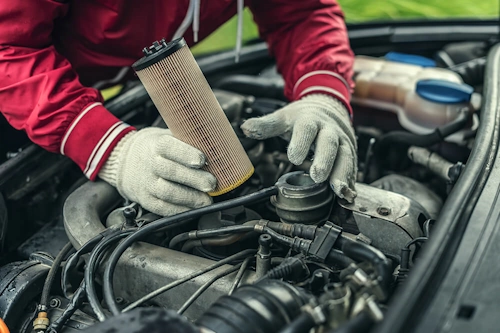
The donor filter is an auxiliary inline filter that acts as an early barrier before the factory fuel filter. It is especially useful in regions with uncertain fuel quality or during long expeditions where refueling might happen in questionable conditions. Replacing a donor filter is cheaper and easier than repairing injectors or pumps. Some drivers even carry spare donor filters in the glove box for quick swaps on the road.
Practical Maintenance Tips
- Refuel at trusted stations: Saving a few cents per liter may lead to repairs worth thousands.
- Keep the tank at least half full: This reduces condensation and minimizes water accumulation.
- Inspect and replace filters on schedule: A clogged filter forces the pump to work harder, accelerating wear.
- Drain separators regularly: Make it part of seasonal maintenance, especially before winter.
- Use additives if necessary: Some diesel additives disperse water or prevent freezing, but they should not replace mechanical filtration.
- Monitor unusual engine behavior: Sudden loss of power or increased smoke may indicate fuel contamination.
How to Safely Drain and Clean the Tank
Step-by-step: Cleaning a Fuel Tank from Water
- Disconnect the battery for safety.
- Relieve fuel system pressure (consult vehicle manual).
- Drain fuel through the service plug or by removing the fuel pump module.
- Inspect the drained fuel: water will appear as separate droplets or a layer.
- Clean the tank with specialized cleaning agents or wipe with lint-free cloths.
- Replace the main fuel filter and donor filter if installed.
- Refill with high-quality fresh fuel.
Conclusion
Contamination in the fuel tank, especially water, is not just a nuisance but a real danger to the health of the engine. Separators and donor filters are affordable preventive solutions that extend the lifespan of injectors, pumps, and the engine as a whole. For car owners, mechanics, and enthusiasts alike, adopting preventive practices ensures reliability and reduces unexpected costs. In the long run, good fuel hygiene is just as important as regular oil changes or brake inspections.