

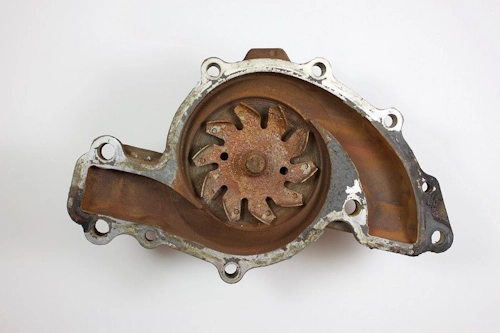
The Critical Role of Your Vehicle's Water Pump
The water pump serves as the beating heart of your vehicle's cooling system, performing the essential function of circulating coolant throughout the engine to maintain optimal operating temperatures. This continuous circulation prevents the extreme heat generated during combustion from causing catastrophic engine damage. Without a properly functioning water pump, your engine would quickly succumb to overheating, potentially resulting in warped components, cracked heads, and complete engine failure—repairs that often exceed the value of older vehicles.
Many water pumps also contribute to lubricating engine components and driving ancillary systems, making their proper operation fundamental to your vehicle's health. Recognizing early warning signs of water pump failure can mean the difference between an inexpensive preventive repair and a catastrophic engine replacement.
Six Telltale Symptoms of Water Pump Failure
🔧 1. Coolant Leaks
The most common indicator of water pump trouble is coolant pooling beneath your vehicle, typically concentrated near the front-center area. These leaks often originate from the water pump's seals, gaskets, or housing, which deteriorate over time due to heat cycles and chemical degradation. Coolant appears as a green, red, or sometimes yellow liquid with a slightly sweet odor. The water pump features a specially designed weep hole that allows coolant to escape once internal seals begin to fail, providing a clear visual indication that the pump requires replacement.
🌡️ 2. Engine Overheating
When the water pump fails to circulate coolant effectively, heat buildup occurs rapidly. Your temperature gauge will spike into the danger zone, often accompanied by steam emanating from the radiator or engine bay. Modern vehicles may trigger a check engine light with overheating-related codes. Continued operation under these conditions can cause cylinder head warping, head gasket failure, and permanent engine damage requiring extensive repairs.
🔊 3. Unusual Noises
A failing water pump typically announces its condition through distinctive sounds:
- High-pitched whining indicates bearing wear or pulley misalignment
- Grinding noises suggest severely damaged bearings
- Squealing sounds often point to a loose drive belt or impaired bearing function
These acoustic warnings result from imperfect shaft rotation, loss of lubrication, or component misalignment within the pump assembly. The specific sound character often helps diagnose the exact nature of the failure.
🌀 4. Steam Emission
The appearance of steam rising from your engine bay represents an advanced stage of cooling system failure, often related to water pump performance. This occurs when coolant leaks onto hot engine components and instantly vaporizes. Steam emission constitutes an immediate warning to shut off the engine and seek professional assistance to prevent further damage.
⚙️ 5. Performance Issues
A compromised water pump indirectly affects engine performance through elevated operating temperatures. As the engine overheats, the engine control unit may implement protective measures such as reducing power output or entering limp mode to prevent damage. You may notice reduced acceleration, rough idling, or decreased fuel efficiency as precursors to more severe overheating symptoms.
🛡️ 6. Corrosion and Contamination
Rust accumulation on the water pump or within the cooling system often indicates the use of improper coolant mixtures or extended service intervals. Contaminated coolant loses its protective properties and becomes acidic and abrasive, accelerating wear on the pump impeller, seals, and bearings. This deterioration manifests as reduced coolant flow and impaired heat transfer capability.
Vehicles Prone to Water Pump Issues
While any vehicle can experience water pump failure, certain models demonstrate higher susceptibility:
| Vehicle Model | Common Water Pump Issues |
|---|---|
| Toyota Tacoma | Coolant leakage from weep hole indicating seal deterioration |
| Toyota Corolla | Seal/gasket leaks and bearing wear at high mileage |
| Volkswagen Tiguan | Plastic housing degradation and gasket failure |
| Dodge/Ram 1500 | Coolant leakage from weep hole, bearing wear |
| Nissan Trucks | Accessibility challenges in VQ-series V6 engines |
Water Pump Maintenance and Prevention Strategies
🔍 Regular Cooling System Inspections
Implement a comprehensive inspection routine that includes:
- Visual examination for leaks, cracks, or corrosion
- Coolant level and condition checks at least monthly
- Belt tension and condition assessment
- Listening for unusual noises during cold starts and operation
🧴 Proper Coolant Management
- Always use the manufacturer-recommended coolant type
- Maintain the correct coolant-to-water ratio for your climate
- Replace coolant according to specified intervals (typically every 30,000-60,000 miles)
- Never mix different coolant types, as this can create abrasive sludge
⏰ Timing Component Synchronization
When replacing timing components (belt or chain), simultaneously install a new water pump. This practice leverages the labor-intensive timing service while ensuring all related components share the same service life. Statistics show that water pumps often fail shortly after timing belt replacements if not addressed concurrently.
📋 Proactive Replacement Schedule
Most water pumps deliver 60,000-100,000 miles of reliable service. Consider preventive replacement within this mileage range even without obvious symptoms, particularly if you own one of the more failure-prone models or plan extended travel through demanding conditions.
Repair Considerations and Procedures
Water pump replacement represents a moderate to advanced DIY project requiring mechanical aptitude and proper tools. The process typically involves:
- Cooling system drainage and component disassembly
- Accessory belt and pulley removal
- Timing cover removal on timing-driven pumps
- Old pump removal and surface cleaning
- New pump installation with appropriate sealant/gaskets
- Reassembly and coolant refill
- Proper bleeding of the cooling system
The complexity varies significantly between vehicles, with some requiring extensive disassembly to access the pump. Many front-wheel-drive transverse-mounted engines demand several hours of labor for professional replacement.
Water Pump Replacement Complexity by Engine Configuration
| Engine Type | Typical Labor Hours | Special Challenges |
|---|---|---|
| Longitudinal RWD | 2-3 hours | Better accessibility, simpler belt access |
| Transverse FWD | 3-5 hours | Limited space, extensive disassembly often required |
| Timing-driven pumps | 4-8 hours | Timing component synchronization required |
Choosing Quality Replacement Parts
Invest in high-quality replacement pumps from reputable manufacturers such as:
- AISIN
- Dolz
- GMB
- Hepu
- NPW
These manufacturers produce pumps meeting or exceeding OEM specifications, with superior bearing designs, precision-machined surfaces, and durable seal materials. Premium pumps often include stainless steel components and ceramic seals for extended service life.
Frequently Asked Questions
How long does a water pump typically last?
Most modern water pumps provide 60,000-100,000 miles of reliable service. However, driving conditions, coolant quality, and maintenance practices significantly influence lifespan. Severe service (frequent short trips, extreme temperatures, towing) may accelerate wear.
Can I drive with a leaking water pump?
Never drive with a confirmed water pump leak. Even minor leaks can rapidly escalate into complete cooling system failure, resulting in catastrophic engine damage. Have the vehicle towed to a repair facility if the water pump shows signs of failure.
How much does water pump replacement cost?
Repair costs vary significantly by vehicle:
- Economy cars: $300-$600
- Luxury vehicles: $700-$1,200
- Labor-intensive designs: Up to $2,000
The wide cost range reflects differing accessibility challenges between vehicle designs.
What causes premature water pump failure?
Common causes include:
- Contaminated coolant causing abrasion and corrosion
- Improper belt tension creating excess bearing load
- Coolant incompatibility leading to seal degradation
- Cavitation damage from low coolant levels
Conclusion: Protect Your Engine's Vital Component
Your vehicle's water pump performs a non-negotiable function in maintaining engine temperatures within safe operating parameters. Recognizing the early warning signs of failure—coolant leaks, unusual noises, and temperature fluctuations—can prevent expensive collateral damage to your engine.
Implement proactive maintenance practices including regular coolant changes, systematic inspections, and preventive replacement at recommended intervals. When replacement becomes necessary, invest in quality components and consider professional installation for complex designs requiring timing component synchronization.
By maintaining your cooling system's "heart," you ensure the longevity and reliability of your entire vehicle, protecting your automotive investment for years and miles to come.
This article synthesizes information from multiple automotive expert sources to provide comprehensive guidance on water pump failure symptoms and solutions. Always consult your vehicle-specific repair manual for manufacturer-recommended procedures and specifications.