

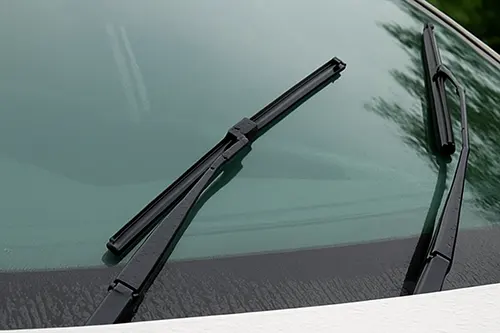
Few things ruin a rainy drive faster than wiper blades that skip, hop, or squeal across the windshield. That rhythmic chatter‑chatter‑chatter isn’t just annoying – it’s a sign that your wipers aren’t making proper contact, leaving streaks and even reducing visibility. Most drivers immediately blame the blades and buy replacements, only to hear the same noise a week later. The real culprits are almost always one of two things: glass contamination or incorrect blade angle. In this guide, we’ll dig into the difference, then walk through simple, proven DIY fixes that cost little to nothing and actually work.
Why Wiper Blades Chatter – The Physics of a Skip
A wiper blade is designed to glide smoothly across wet glass, wiping away water with even pressure. Chatter happens when the blade’s rubber edge sticks and releases repeatedly instead of sliding. This stick‑slip action creates vibration, noise, and uneven wiping. Two main forces cause it:
- Friction too high – dirt, oil, wax, or baked‑on minerals make the glass grabby.
- Angle of attack wrong – the blade isn’t perpendicular to the glass, so the rubber flops over and then snaps back.
Understanding which issue you have is the first step to a permanent fix. Let’s break them down.
Glass Contamination: The Invisible Layer That Ruins Wiping
Your windshield may look clean, but a microscope would reveal a thin film of industrial fallout, road grime, tree sap, hard water deposits, or leftover wax from automatic car washes. This contamination creates microscopic peaks and valleys that grab the rubber edge, causing chatter. Common sources include:
- Road film – a mix of oil, exhaust residue, and rubber dust from other tires.
- Hard water spots – mineral deposits left after rain or washing.
- Wax or sealant overspray – even a trace of hydrophobic wax makes the surface uneven.
- Silica or fallout – industrial pollution bonds to glass over time.
How to test for contamination: After washing the windshield, run a clean, dry finger across the glass. A perfectly clean surface will feel smooth and silent. If you feel resistance or hear a faint squeak, there’s a bonded contaminant. Another test: spray water on the glass – if it beads up unevenly or leaves dry patches, you’ve got contamination.
Blade Angle (Also Called Wiper Arm Torsion or Attack Angle)
Even on perfectly clean glass, wipers can chatter if the blade isn’t hitting the windshield at the right angle. The rubber squeegee needs to trail slightly – like a ski on snow. Most blades are designed to operate with the rubber leaning 15 to 30 degrees in the direction of travel. When the arm is bent or the blade is worn, that angle changes. The rubber then folds over too far or flips backward, creating the stick‑slip effect.
Quick check: Lift the wiper arm slightly off the glass (engine off, wipers in parked position). Look at the blade’s profile from the side. The rubber lip should be angled away from the arm’s pivot point, toward the direction it wipes. If it’s straight up or bent the wrong way, you’ve got an angle problem.
Other Possible Causes (Less Common but Worth Ruling Out)
- Worn or hard rubber – old blades lose flexibility and chatter even on clean glass.
- Bent wiper arm – a previous ice‑scraping incident can twist the arm.
- Weak wiper transmission linkage – rare but causes uneven pressure.
- Incorrect blade length or type – too long, too short, or the wrong frame style (traditional vs. beam).
DIY Fix #1: Deep Clean the Glass (Banishes Contamination)
Forget ordinary window cleaner. To remove bonded contamination you need abrasion or chemical decontamination. Here are two methods that work:
- Clay bar treatment – Use a fine‑grade automotive clay bar with detail spray. After washing, lubricate the windshield and gently glide the clay back and forth. You’ll feel the contamination pull away. Wipe clean. This removes industrial fallout and bonded minerals better than anything else.
- 0000 steel wool + glass cleaner – Ultra‑fine steel wool (grade 0000) is soft enough not to scratch glass but abrasive enough to lift stubborn deposits. Spray glass cleaner on the windshield, then lightly rub with the steel wool in circular motions. Rinse thoroughly. Test on a small corner first.
- Vinegar or specialized water spot remover – For hard water spots, white vinegar (diluted 1:1 with water) or a dedicated calcium remover works. Let it sit for a minute, then scrub with a non‑abrasive pad.
After cleaning, perform the finger‑squeak test again. Silent and smooth? Contamination is gone.
DIY Fix #2: Adjust Wiper Arm Angle (The 10‑Second Cure)
If glass is clean but chatter remains, angle adjustment is your friend. You’ll need two adjustable wrenches (or one wrench and a towel to protect the arm).
- Carefully lift the wiper arm away from the glass until it locks in the raised position.
- Look at the metal arm where it meets the blade. There’s a flat section near the hook or pin.
- Use one wrench to hold the lower part of the arm steady (near the pivot). Use the second wrench to gently twist the upper part of the arm – the part that holds the blade.
- If the blade chatters on the downstroke (toward the cowl), twist the arm slightly clockwise (if you’re looking from the driver’s seat) to increase the trailing angle. For upstroke chatter, twist counter‑clockwise.
- Lower the arm, test with a spray of water. Repeat until the chatter disappears.
Important: Adjust in tiny increments – 1–2 degrees at a time. Over‑adjusting can cause the blade to skip the edge of the glass.
DIY Fix #3: Flip or Replace the Rubber Insert (For Worn Blades)
Sometimes the rubber is still soft but has taken a “set” (a permanent curve). On traditional blades with refillable inserts, you can sometimes pull the rubber out, flip it end‑for‑end, and reinstall – this changes the contact angle. On beam blades, this isn’t possible, so replacement is best. But before buying new blades, try cleaning the rubber with isopropyl alcohol to remove built‑up oil and road grime.
DIY Fix #4: Lubricate the Glass (The Rain‑X Approach)
This is controversial among enthusiasts, but a quality glass sealant like Rain‑X or a dedicated wiper‑friendly coating reduces friction dramatically. However, never apply wax or silicone‑based products – they cause chattering. Use a water‑based or specifically formulated glass coating. After application, the water beads up and the blade glides with far less resistance. Many drivers report immediate silence.
Comparison Table: Glass Contamination vs. Blade Angle Issues
| Characteristic | Glass Contamination | Blade Angle Problem |
|---|---|---|
| Symptoms | Chatter both directions, often worse on light rain or damp glass | Chatter primarily on one stroke (up or down), often accompanied by uneven wiping |
| Finger test on clean glass | Squeaky or sticky feeling | Smooth and silent |
| Water beading pattern | Irregular, patchy, or clinging droplets | Normal uniform beading (if glass is otherwise clean) |
| Does cleaning the glass fix it? | Yes – after clay or steel wool treatment | No – cleaning alone won’t help |
| Does adjusting arm angle fix it? | No – angle adjustment won’t remove contamination | Yes – once the angle is corrected |
| Most common in | Cars driven in cities, near industry, or after automatic car washes | Cars with older arms, previous impact damage, or after DIY blade replacement |
When to Replace Wiper Blades (Even After Fixing Chatter)
No amount of glass cleaning or angle adjustment will bring dead rubber back to life. If your blades are older than 6–12 months, or if the rubber feels hard and plastic‑like, replace them. Choose high‑quality beam blades for modern windshields – they apply more even pressure and resist chatter better than traditional frame blades. And always clean the glass thoroughly before installing new blades, or you’ll transfer contamination to the fresh rubber.
A Step‑by‑Step Diagnostic Flowchart You Can Follow
- Test with a glass cleaner and paper towel – Wipe a small area vigorously. If the chatter disappears on that spot, you have contamination. Proceed to Fix #1.
- If contamination is ruled out, inspect blade rubber for hardness, cracks, or uneven edge. If bad, replace blades.
- With new or known‑good blades, perform the angle test: raise the arm, check the rubber’s natural lean. If it looks straight or reversed, proceed to Fix #2 (arm twist).
- If both glass and angle seem perfect but chatter persists, inspect the wiper arm’s spring tension and pivot. A weak spring won’t hold the blade firmly – sometimes a small pair of vice grips can gently bend the arm’s curve to increase pressure, but this is last‑resort.
Long‑Term Prevention: Keep Your Glass Contamination‑Free
- Never use dish soap or wax‑based car wash soaps on the windshield – they leave invisible films.
- Clay bar the windshield twice a year – spring and fall – to remove bonded fallout.
- Top up washer fluid with a quality additive – some contain solvents that help prevent film buildup.
- Replace wiper blades every 6–12 months – don’t wait for them to fail.
Final Thoughts: Don’t Live With the Chatter
Wiper chatter is almost never a mystery. It’s either a dirty windshield or an arm that’s twisted out of spec. Both are easy to diagnose and fix with basic hand tools and a little patience. Before you spend money on new blades or a shop visit, spend 20 minutes with a clay bar or a pair of wrenches. In most cases, you’ll restore silent, streak‑free wiping and gain a new appreciation for how well a simple rubber blade can work when conditions are right.
Remember: Safety starts with clear vision. Don’t ignore the chatter – fix it, then enjoy every rainy drive with nothing but the sound of your engine and the rhythm of the road.