

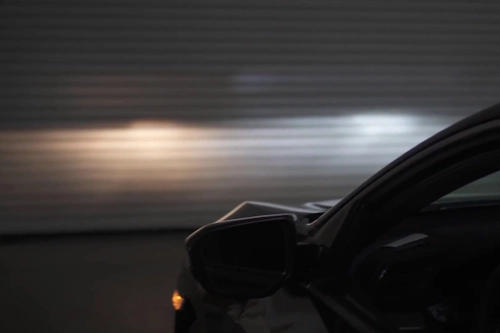
Why Your Headlight Choice Matters
Headlights are more than just accessories – they're critical safety features. At 60 mph, your car travels 88 feet per second, but stopping distances often exceed 325 feet. Superior illumination can mean the difference between avoiding an obstacle and a collision. This guide explores the two dominant technologies: halogen and LED headlights.
How They Work: A Technical Breakdown
Halogen Headlights
- Use tungsten filaments heated to 4,500°F in halogen gas-filled quartz bulbs
- Produce light through incandescence (heat-generated light)
- Typical lifespan: 500-1,000 hours
LED Headlights
- Generate light via semiconductor diodes emitting photons
- Operate at 80-90% efficiency (vs 20% for halogens)
- Average lifespan: 30,000-50,000 hours
Head-to-Head Comparison
| Feature | LED | Halogen |
|---|---|---|
| Brightness (Lumens) | 3,600-12,000 | 800-1,200 |
| Energy Use | 30-90W | 55-100W |
| Light Distance | Up to 300m | ~100m |
| Color Temperature | 4,000-6,500K (daylight white) | 3,000-4,300K (yellowish) |
| Lifespan | 25+ years | 1-2 years |
Data compiled from multiple industry sources
Key Advantages of Each Technology
LED Dominates In:
- Visibility: 3x brighter light output with superior color accuracy
- Efficiency: 80% less energy consumption
- Durability: Shock-resistant with no fragile filaments
- Design Flexibility: Enables adaptive matrix lighting and dynamic cornering beams
Halogen Strengths:
- Cost: $20-$50 replacement vs $100-$300 for LEDs
- Weather Performance: Better snow melt and fog penetration
- Legality: No compatibility issues with older vehicles
The Hidden Challenges
Important Considerations:
- LED retrofits in halogen housings often cause glare and reduced effective range
- Some jurisdictions prohibit LED conversions in halogen assemblies
- Premium LEDs require advanced cooling systems to prevent overheating
Market Trends & Future Outlook
LED adoption is accelerating dramatically:
- 60%+ of new cars now feature LED standard
- Projected 300% growth in aftermarket LED sales by 2027
- Emerging technologies like laser-assisted LEDs entering luxury markets
Expert Installation Tips
- Always replace bulbs in pairs for consistent illumination
- Verify local regulations before converting halogen systems
- Choose reputable brands with proper certifications
- Consider professional alignment for optimal beam pattern
The Verdict
While halogen bulbs maintain relevance for budget-conscious drivers and classic vehicles, LED technology clearly represents the future. The initial cost premium (3-5x halogen prices) is offset by:
- 50x longer service life
- Superior safety through enhanced visibility
- Reduced environmental impact
As manufacturing costs continue to drop, expect LED dominance to become nearly universal by 2030.