

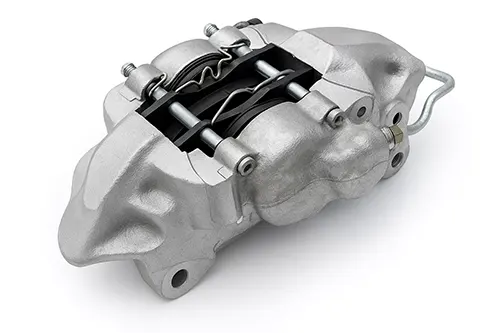
Brake caliper installation requires exact torque values to prevent uneven pad wear, vibration, and hardware failure. This reference compiles verified specs for common platforms, organized by manufacturer and model generation.
platforms
| Model | Years | Caliper bracket | Caliper pins | Notes |
|---|---|---|---|---|
| Civic | 2016–2021 | 80 ft-lb | 25 ft-lb | Lubricate pins with high-temp grease |
| Accord | 2013–2017 | 80 ft-lb | 27 ft-lb | Front; rear uses integrated bracket |
| CR-V | 2017–2022 | 80 ft-lb | 25 ft-lb | — |
| Pilot | 2016–2022 | 101 ft-lb | 27 ft-lb | Larger calipers; higher torque |
platforms - details
| Model | Years | Caliper bracket | Caliper pins | Notes |
|---|---|---|---|---|
| Camry | 2012–2017 | 79 ft-lb | 25 ft-lb | — |
| Corolla | 2014–2019 | 79 ft-lb | 25 ft-lb | — |
| RAV4 | 2013–2018 | 77 ft-lb | 25 ft-lb | — |
| Tacoma | 2016–2023 | 90 ft-lb | 32 ft-lb | Truck platform; higher values |
| 4Runner | 2010–2023 | 91 ft-lb | 32 ft-lb | — |
platforms - practical notes
| Model | Years | Caliper bracket | Caliper pins | Notes |
|---|---|---|---|---|
| Focus | 2012–2018 | 85 ft-lb | 26 ft-lb | — |
| Fusion | 2013–2020 | 85 ft-lb | 26 ft-lb | — |
| Escape | 2013–2019 | 85 ft-lb | 26 ft-lb | — |
| F-150 | 2015–2023 | 148 ft-lb | 27 ft-lb | Front; rear varies by axle |
General torque principles
- Bracket bolts: typically 75–100 ft-lb (cars); 90–150 ft-lb (trucks/SUVs).
- Slide pins: 20–35 ft-lb; over-torque damages threads in calipers.
- Bleeder screws: 10–15 ft-lb max; very easy to crack seats.
Torque sequence notes
- Bracket bolts: alternate between top and bottom; prevents cocking.
- Slide pins: tighten evenly; check that caliper swings freely before final torque.
- Wheel lugs: star pattern; re-torque after 50–100 km.
Material considerations
- Aluminum knuckles: do not exceed spec—threads strip easily.
- Steel brackets on aluminum: use anti-seize on threads; prevents galling.
- Slide pin threads: clean thoroughly; apply high-temp brake grease to threads and pin shaft.
Verification after installation
- Caliper should slide freely on pins with light hand pressure.
- No gaps between bracket and knuckle.
- Rotor spins without drag (slight pad contact is normal).
Data sources
Specs compiled from factory service manuals and verified against 7zap technical data for Honda, Toyota, and Ford platforms. Always cross-reference with VIN-specific service information.
Critical reminder: torque values prevent comebacks—use a calibrated wrench and follow the sequence.
Caliper bracket cleaning (often overlooked)
Rust and debris in bracket slides cause uneven pad wear even with correct torque. Clean bracket contact points with a wire brush; apply thin coat of high-temp grease to slide surfaces (not the pad backing plates).
Torque wrench calibration reality
Click-type torque wrenches drift 2–5% per year with heavy use. Verify calibration annually or after 500 uses. Many tool stores and calibration labs offer this service for $15–30.
Thread preparation
- Clean bolt threads with a wire brush; debris causes false torque readings.
- Apply anti-seize to caliper bracket bolts (steel into aluminum); prevents galling.
- Do NOT use anti-seize on slide pins—only high-temp brake grease.
Verification tests post-installation
- Caliper slides freely on pins with light hand pressure
- Rotor runout <0.002 inch (dial indicator measurement)
- Pad-to-rotor contact even across friction surface (no high spots)