

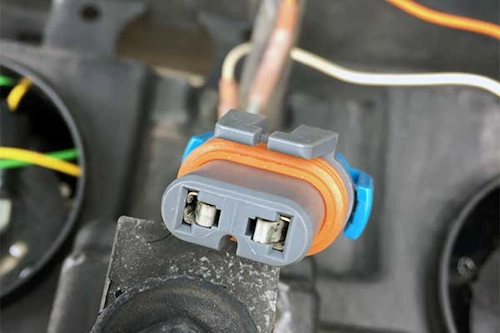
Few things are more unnerving than watching your car’s headlights flicker while driving at night. A momentary loss of light can feel like losing control — and in some cases, it can be a symptom of deeper electrical trouble. Flickering or dimming headlights usually mean there’s an issue somewhere in the headlight wiring system: faulty relays, corroded contacts, weak grounds, or damaged fuses. Fortunately, with a bit of attention to detail, these problems can be diagnosed and fixed even outside of a workshop environment.
1. Understanding How the Headlight Circuit Works
Before diving into repairs, it’s useful to understand how headlight wiring is structured. In most vehicles, the circuit includes:
- Battery and alternator — supplying electrical power to the system.
- Fuses — protecting the wiring and bulbs from short circuits.
- Relay — acting as an electrical switch that allows low-current control of high-current circuits.
- Headlight switch — controlling the lights manually or automatically.
- Ground wires — completing the electrical circuit by connecting to the chassis.
When any of these components fails or loses proper contact, current flow becomes unstable. The result? Intermittent voltage that makes your headlights flicker, pulse, or even go completely dark for brief moments.
2. Common Causes of Flickering Headlights
There isn’t one single reason for flickering headlights — it’s usually a mix of mechanical wear, corrosion, and aging electrical parts. Here are the most frequent culprits:
Loose or Corroded Contacts
Over time, moisture, road salt, and vibration cause oxidation on connectors and terminals. Even a thin layer of corrosion increases resistance, leading to voltage drops that make your headlights flicker. Check the wiring harness connectors at the headlamp assembly and near the battery. Cleaning them with contact cleaner and applying dielectric grease can make an immediate difference.
Faulty Headlight Relay
Headlight relays are electromechanical components that open and close circuits under load. A weak or sticking relay may intermittently break contact, resulting in blinking or inconsistent brightness. You can test it by swapping it with another identical relay from the fuse box (for example, from the horn or fog light circuit) to see if the problem moves with it.
Worn-Out or Blown Fuse
Fuses rarely cause flickering directly, but a fuse with a cracked element or poor seat in the fuse box can create intermittent contact. Pull the headlight fuses and inspect them visually; if the metal looks tarnished or loose, replace them and clean the fuse terminals.
Weak Ground Connection
The ground wire ensures electricity flows back to the chassis. A corroded ground bolt or frayed wire can cause inconsistent grounding, resulting in dimming or pulsating light. Follow the ground wire from your headlights and ensure the connection point is clean, tight, and free of rust. Scrape off paint if needed and tighten with a lock washer.
Failing Alternator or Battery
Sometimes, flickering headlights have nothing to do with the headlight system itself. If your alternator is failing or the battery is weak, voltage output fluctuates under load, causing the lights to pulse in rhythm with engine speed. Use a multimeter to measure battery voltage: it should read around 12.6V with the engine off and 13.8–14.4V when running. Anything below that range may point to charging system issues.
3. Step-by-Step Troubleshooting Process
Let’s break down how to systematically locate the cause of flickering headlights.
Step 1: Visual Inspection
Pop the hood and inspect all visible headlight wiring. Look for frayed insulation, melted connectors, or discolored terminals. If any wires are exposed or brittle, replace or repair them using heat-shrink tubing and proper connectors — avoid temporary fixes like twisting wires together or taping them.
Step 2: Test the Battery and Alternator
Use a multimeter to confirm stable voltage. If you see the voltage dropping below 13 volts while the engine runs, the alternator may not be delivering consistent output. That can easily translate into visible flickering at night.
Step 3: Inspect Fuses and Relays
Locate your fuse box (often under the hood or dashboard) and identify the headlight fuse and relay using the diagram on the cover. Pull the relay out and inspect the pins for oxidation or heat marks. Lightly tap it while the headlights are on — if the lights react, you’ve likely found your culprit.
Step 4: Check Ground Connections
Follow the black wire from your headlight connector until it meets the chassis or frame. Unscrew the ground terminal, clean it with sandpaper, and reattach it firmly. This simple step resolves a large portion of flickering issues.
Step 5: Examine the Headlight Bulb Socket
The bulb socket can overheat or deform, especially on halogen systems. Look for burn marks or melted plastic — both signs of poor contact. Replacing the socket is inexpensive and can prevent future shorts.
4. Preventing Future Headlight Wiring Problems
Electrical problems often start small — a bit of corrosion here, a loose connector there — and only become visible when the system is already struggling. Preventive maintenance is therefore key. Here’s how to minimize risk:
- Use dielectric grease on bulb and relay connectors to keep moisture out.
- Clean your battery terminals and apply protective spray regularly.
- Avoid high-wattage aftermarket bulbs that draw excessive current and overheat wiring.
- Inspect wiring harnesses for signs of rubbing or contact with metal edges.
- If you often drive in wet or salty conditions, recheck ground points twice a year.
5. When to Seek Professional Help
If the issue persists even after checking relays, fuses, and grounds, it may be time to visit a professional electrician. Modern cars use CAN bus systems and complex headlight control modules, meaning flickering could stem from electronic control faults or voltage regulation issues inside the ECU. Diagnosing such systems requires specialized diagnostic scanners and current probes that go beyond basic tools.
6. Final Thoughts
Headlight flicker might seem like a small nuisance, but it’s an early warning sign of electrical instability. Addressing it early prevents further damage — such as overheated wiring, burnt connectors, or even ECU malfunctions. Whether it’s a simple ground issue or a worn relay, most fixes are straightforward once you know what to look for.
Reliable headlights aren’t just about visibility; they are part of your car’s overall electrical health. By keeping your wiring, relays, and contacts in good condition, you ensure that every drive — day or night — remains safe and illuminated.