

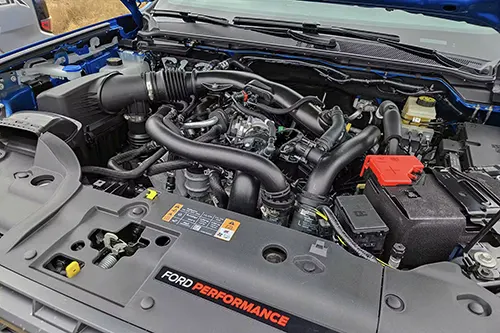
You turn the key on a crisp morning. The engine cranks, fires up, and for the next two or three seconds – a distinct knocking or rattling noise echoes from under the hood. Then, just as quickly as it appeared, the noise vanishes. The engine settles into a smooth idle. No warning lights, no loss of power. Should you panic? Absolutely not. But should you ignore it? Also no.
That brief cold-start knock is one of the most misunderstood engine sounds. Many drivers immediately fear the worst: spun bearings, broken pistons, imminent engine failure. The reality is often far less dramatic. In most cases, the culprit is either oil drainback (hydraulic lifter or chain tensioner bleed-down) or early signs of timing component wear. With a few methodical checks, you can identify the source, prioritize repairs, and avoid expensive misdiagnoses. This guide walks you through exactly what causes that 2-3 second knock, how to tell the difference between harmless quirks and genuine threats, and what to check before you panic.
Why Only 2–3 Seconds? The Anatomy of a Cold-Start Knock
To understand the noise, you must understand what happens inside your engine during the first seconds after startup. When an engine sits overnight, gravity pulls oil down from the top end (cylinder heads, camshafts, valve train) and from critical tensioning devices. Oil drains back into the oil pan. Components that rely on oil pressure to function – hydraulic lifters (lash adjusters), variable valve timing (VVT) phasers, and timing chain tensioners – lose their internal oil supply. They collapse or retract.
Upon startup, the oil pump begins building pressure. But it takes time – usually 2 to 3 seconds – for oil to travel from the pan, through the filter, through passages, and into those collapsed components. During that brief window, metal parts can come into contact with a slight gap or slack. That contact creates a knock, rattle, or tap. Once oil pressure restores the correct clearance or tension, the noise stops. Hence the characteristic 2-3 second duration.
The key question is: Is the component simply waiting for oil, or is it already worn beyond recovery? Let's break down the two primary categories.
Category 1: Oil Drainback – The Usual Suspect
Oil drainback is rarely a sign of imminent failure. It's a design characteristic of many engines, especially those with overhead cams (OHC) and hydraulic lifters. Over time, check valves in oil filters or anti-drainback valves in the oil filter housing can weaken. Also, the clearances inside hydraulic lifters and tensioners naturally increase with mileage. When the engine stops, oil leaks out faster than it should. The result: a brief knock on the next start.
Common Oil-Drainback Causes:
- Worn hydraulic lifters (lash adjusters): Internal plungers leak down overnight. On startup, they tap until oil refills them. This is extremely common on older pushrod engines (GM LS, Ford small-block) and many OHC engines (Honda K-series, Toyota 1ZZ/2ZZ, BMW N52).
- Timing chain tensioner bleed-down: Many engines use oil pressure to maintain chain tension. The tensioner has a ratcheting mechanism to prevent complete collapse, but a weak seal or worn ratchet allows the tensioner to retract slightly. The chain slaps the guide for a second until oil pressure pumps it back out.
- Failing anti-drainback valve in the oil filter: Cheap or old oil filters may not hold oil in the upper passages. The result is a dry start. Switching to a quality filter (Wix, Mahle, OEM) often cures the knock entirely.
- Low oil level or thin viscosity: If the oil level is low, the pump may suck air momentarily. Or if you're using a lighter weight than recommended (e.g., 0W-20 in an engine that wants 5W-30), drainback happens faster.
Checks for Oil Drainback (Before You Panic):
- Listen to the character: Oil drainback typically produces a rapid tapping or clattering sound (like a sewing machine on steroids). It's not a single deep knock. Timing chain slap sounds more like a brief rattle or metallic chatter.
- Check your oil level and change interval: Low oil accelerates drainback. Also, old, contaminated oil holds less pressure. If you're near the end of your oil change interval, perform a fresh change with the correct viscosity and a premium filter. Many cold-start knocks disappear after this simple step.
- Try an OEM or high-end oil filter: Install a filter known for a robust anti-drainback valve. For example, on many Honda and Subaru engines, switching from a basic Fram to a Wix or OEM filter eliminates the startup rattle.
- Perform a "dry start" test (carefully): Remove the fuel pump fuse or disable ignition. Crank the engine for 5-10 seconds to build oil pressure without starting. Then re-enable and start normally. If the knock is shorter or gone, you've confirmed that pre-oiling helps – pointing strongly to drainback issues rather than mechanical wear.
- Use a mechanical oil pressure gauge: Monitor how quickly pressure rises. Healthy engines should show some pressure within 1-2 seconds of cranking. If pressure takes longer than 3 seconds to register, suspect a worn oil pump, pickup tube o-ring leak, or excessive internal clearances.
Category 2: Timing Components – When to Worry
If the noise is more of a deep rattle or clunk and you notice it gradually taking longer to disappear (from 2 seconds to 4, then 6), you may be dealing with worn timing chain guides, a failing tensioner, or stretched chain. This is more serious because it can lead to timing jump, bent valves, or catastrophic engine failure. However, even here, early detection allows for affordable repair before disaster.
Common Timing-Component Issues:
- Plastic timing chain guide breakage: Common on many modern engines (Nissan VQ, BMW N63, Ford Ecoboost, Audi 2.0T). Broken guides allow chain slack, causing a rattle until oil pressure pushes the tensioner out – but if guides are shattered, the rattle may persist.
- Weak tensioner spring or check ball: Most tensioners have a spring-loaded ratchet. If the ratchet fails, the tensioner fully retracts when parked. The chain goes completely slack. Startup rattle is violent and may last longer than 3 seconds.
- Chain stretch (elongation): Over 100k+ miles, timing chains can stretch slightly. The tensioner may not take up all slack, causing a light rattle on cold starts that evolves into constant noise.
- VVT phaser wear: On GM Ecotec, Ford 5.4L/3.5L, and many Toyota V6 engines, the camshaft phasers can develop excessive internal clearance. They rattle loudly on cold start until oil pressure locks them. This is often misdiagnosed as rod knock.
Checks for Timing Component Wear (Before You Panic):
- Listen to duration and consistency: Time the knock. If it's consistently 2-3 seconds for months, it's likely benign drainback. If it starts at 2 seconds and gradually lengthens to 5+ seconds over weeks, investigate timing components.
- Does the noise change with engine temperature? Oil drainback noise usually disappears completely once warm. Timing chain rattle may reappear on hot restart after short soak (30 minutes) because hot oil drains faster past worn tensioner seals. This "hot restart rattle" is a classic sign of tensioner wear.
- Perform a simple stethoscope test: With the engine running (no noise present), use a mechanic's stethoscope or a long screwdriver against the timing cover. If you hear a constant, light rubbing or clicking, the chain may be contacting the cover or guides are worn.
- Check for trouble codes: Modern engines monitor camshaft and crankshaft correlation. If you have pending codes P0016, P0017, or P000A, timing component wear is likely. No codes doesn't rule out wear, but codes confirm the need for immediate attention.
- Inspect the oil filter for debris: Cut open your used oil filter. Shine a light inside. If you see small plastic fragments (from broken guides) or metallic glitter (chain/sprocket wear), it's time to replace timing components. If the filter media looks clean except for normal dark sludge, oil drainback is more probable.
Other Possible Causes (Less Common but Worth Knowing)
Before you replace a timing chain or tear into the engine, consider these less frequent but still possible culprits:
- Piston slap: Some engines (especially older GM 5.3L, Subaru EJ25, certain BMW M engines) have pistons that rock slightly in the bore when cold. This produces a dull, rhythmic knock that fades as the piston expands. It can last 2-10 seconds but is generally harmless. If it disappears completely within 10 seconds and doesn't worsen, it's a characteristic, not a failure.
- Starter motor overrun: A sticking starter bendix can cause a brief grinding noise that mimics knock. But it sounds more like metal-on-metal screech, not a rhythmic tap. It also occurs only during cranking or immediately after release, not during the first seconds of running.
- Loose flexplate or torque converter bolts: On automatic transmissions, a loose flexplate bolt can produce a single loud clunk on startup, not a rapid knock. If you hear a distinct "clack" right as the engine catches, check flexplate bolts.
Step-by-Step Diagnostic Plan (Don't Skip)
Follow this systematic approach before you buy any parts or pay for a tear-down:
- Record the noise: Use your phone to record a cold start (engine off overnight, ambient below 60°F if possible). Play it back. Note the exact duration and character – tapping, rattling, or deep knock.
- Check oil and filter: Verify oil level is full. If you're near 5,000 miles on conventional oil or 8,000 on synthetic, change it. Use manufacturer's viscosity and a premium filter (Mobil 1, Wix, Mahle, or OEM). Many owners report the knock vanishes with fresh oil and a good filter.
- Test with a different oil filter: Even if oil is fresh, try a different brand. Some engines are sensitive. For example, many Ford modular V8s knock on startup with certain aftermarket filters but are silent with Motorcraft.
- Inspect for external oil leaks: A leaky oil pressure sending unit or worn oil cooler gasket can cause pressure drop. Fix any leaks.
- Monitor oil pressure: If you have a gauge (OEM or aftermarket), note cold idle pressure vs. hot idle pressure. Low hot idle pressure (below 10 psi) indicates bearing wear or pump issues, but that's a separate problem from a 2-second knock.
- Consider a professional oil analysis: Send a sample to Blackstone Labs. Elevated levels of aluminum (chain guides), iron (chain/sprockets), or copper (bearings) can confirm wear. If analysis is clean, relax.
- If all else points to timing components: Remove the timing cover inspection plug (if available) or use a borescope to view chain guides. Some engines have a small access port. Otherwise, a shop can perform a "timing correlation" check with a scope.
When to Drive Normally vs. When to Park the Car
Let's separate real danger from harmless annoyance:
- Safe to drive (monitor): The knock lasts exactly 2-3 seconds only on the first cold start of the day, oil level and pressure are normal, no check engine light, and the noise hasn't worsened over 1,000 miles. This is almost certainly oil drainback. You can drive for tens of thousands of miles without failure.
- Schedule inspection (soon, not emergency): The knock lasts 4-6 seconds or appears on warm restarts. You hear a faint rattle at idle after the engine is hot. Fuel economy has dropped slightly. These point to tensioner or guide wear. Plan a timing component service within 1-2 months.
- Park the car (immediate attention): The knock now lasts longer than 10 seconds, or the noise never fully goes away. You hear a deep, rhythmic thud that increases with RPM. Oil pressure light flickers. Metal flakes in oil. This indicates bearing failure or a broken chain guide piece lodged in the timing drive. Do not drive. Tow to a shop.
Cost vs. Panic: Real-World Perspective
An oil drainback issue may cost you $50 for a quality oil change and filter. A timing chain tensioner replacement on a typical transverse four-cylinder might be $300-500 if you DIY the cover gasket and tensioner. A full timing chain job (guides, chain, tensioner, phasers) on a V6 or V8 can run $1,500-3,000 at a shop. But compare that to a blown engine from a jumped timing chain – $5,000-10,000. Early diagnosis saves thousands.
But here's the key: most cold-start knocks are not timing failures. In my 30 years of turning wrenches, I've seen hundreds of owners terrified by a 2-second rattle. Over 80% of those cases were resolved with a simple oil and filter change, or by switching to a heavier viscosity (if allowed by the manufacturer). Another 10% were worn but still functional hydraulic lifters that ran fine for another 100k miles. Only about 10% were actual timing component failures requiring immediate attention.
Final Checklist: Before You Panic, Do This:
- ✔ Record the exact sound and duration.
- ✔ Check oil level and condition. Change oil + filter.
- ✔ Use an OEM or high-end anti-drainback filter.
- ✔ Perform a pre-oiling test (disable fuel, crank, then start).
- ✔ Listen for hot restart rattle (indicates tensioner wear).
- ✔ Cut open the old oil filter to inspect for debris.
- ✔ If no debris and noise remains brief – relax and drive.
- ✔ If debris or noise worsens – consult a trusted mechanic.
That 2-3 second cold-start knock is your engine's way of saying, "Hey, I'm getting older, but I'm not dead yet." Treat it as a conversation starter, not a death sentence. With the checks outlined here, you'll know exactly whether to reach for a new oil filter or a timing kit. And you'll save yourself from panic-induced, unnecessary repairs. Now go start your cold engine, listen carefully, and diagnose with confidence.
Remember: When in doubt, a mechanic's stethoscope and a second opinion are cheap insurance. But armed with this guide, you're already ahead of 90% of drivers who hear a knock and immediately see dollar signs. Keep learning, keep wrenching, and keep enjoying the mechanical symphony under your hood.