

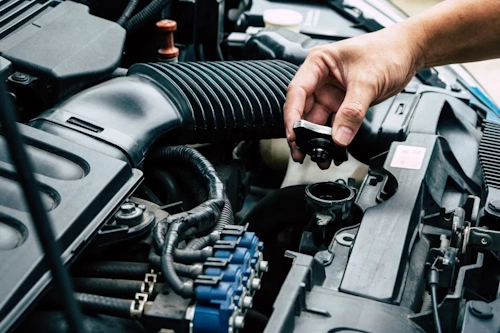
After three decades with my hands buried in engine bays and documenting automotive innovations worldwide, I've learned one universal truth: Your cooling system is the unsung hero of your vehicle's longevity. Ignore it at your engine's peril. Overheating isn't just an inconvenience - it's a death sentence for powerplants. Let's cut through the misinformation and tackle these heat demons head-on.
The Silent Killer: Coolant Leaks
Picture this: You notice a sweet aroma after parking, or spot rainbow-colored puddles beneath your ride. These aren't quirky character traits - they're distress flares. Coolant leaks are the most insidious cooling system failure, often starting as minor weep points before escalating into catastrophic failures.
Pressure Test
Rent a cooling system pressure tester. Pump to 15 PSI and inspect every joint, hose, and component. Leaks reveal themselves under pressure long before they show in daily driving.
UV Dye Detection
Add UV dye to your coolant. After a short drive, scan with a black light. Hidden leaks glow like neon signs, exposing failing gaskets or porous metal.
Combustion Gas Test
Milky oil or mysterious coolant loss? Use a block tester that detects exhaust gases in coolant. A color change confirms head gasket failure - the nightmare scenario.
Pro Tip: Never use stop-leak products except for emergency trail repairs. They clog heater cores and radiator tubes - creating more expensive problems.Overheating: More Than Just Low Coolant
When your temperature gauge kisses the red zone, most drivers' first instinct is to check coolant levels. But true overheating has more sinister causes:
- Airbound Systems: Improper bleeding leaves air pockets that prevent proper coolant circulation
- Collapsing Hoses: Aged hoses that suck shut under vacuum at high RPM
- Electrolysis: Stray electrical currents eating aluminum components from within
- Scale Buildup: Mineral deposits acting like insulation in your engine
Underheating: The Stealthy Performance Killer
While overheating grabs headlines, chronic underheating destroys engines quietly. When engines operate below optimal temperature (typically 195-220°F):
- Fuel efficiency drops up to 15%
- Moisture accumulates in oil, creating corrosive acids
- Emissions systems malfunction, triggering check engine lights
- Combustion becomes incomplete, washing cylinder walls with fuel
The usual suspect? A thermostat stuck open. Test yours by starting a cold engine. The upper radiator hose should remain cool for 5-8 minutes then become suddenly hot as the thermostat opens.
Water Pump Failures: Recognizing the Whispered Warnings
Modern water pumps often fail quietly. Listen for these subtle signs:
- The "weep hole" under the pump shaft shows dried coolant trails
- A high-pitched whine during cold starts that disappears when warm
- Coolant leaks from behind the timing cover (interference engines beware!)
Radiator Cap: The $10 Component That Can Ruin Your Engine
This overlooked hero maintains system pressure, raising the boiling point. A weak cap causes:
- Coolant boil-over during traffic stops
- Accelerated coolant loss through overflow
- Air ingestion leading to overheating cycles
Test yours annually with a pressure cap tester. Replace every 5 years regardless of appearance.
Cooling Fan Failures: Electric vs Mechanical
Electric Fans: Diagnose by turning AC to max. Both fans should activate immediately. No spin? Check fuses, relays, and fan motors. Listen for clicking relays indicating control module issues.
Mechanical Fans: Check viscous clutches by stopping the fan (when cold!) with a rolled-up newspaper. A good clutch should provide firm resistance. Spins freely? Replace immediately.
Master Class: Cooling System Maintenance
Extend your cooling system's lifespan with these battle-tested practices:
- Flush Biannually: Use distilled water only - tap water minerals create scale
- Coolant Choice Matters: OAT, HOAT, and traditional glycol formulas aren't interchangeable
- Hose Replacement: Replace every 4 years or 60,000 miles. They rot from within
- Belt Tension: Over-tightened belts destroy water pump bearings
- Thermal Imaging: Rent an infrared thermometer to detect cold spots indicating blockages
The Final Word
Your cooling system isn't just another component - it's the guardian standing between your engine and the scrapyard. Through decades of tearing down failed engines, I've seen the horrific aftermath of neglected cooling systems: warped heads, piston rings fused to cylinder walls, crankshafts welded to bearings. These tragedies are preventable.
Master these diagnostic techniques, respect the maintenance intervals, and treat your cooling system like the life-support system it is. The open road rewards those who understand that true performance isn't just about horsepower - it's about keeping your cool when the heat is on.