

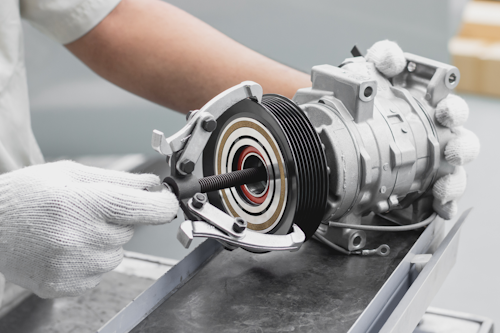
That first sweltering summer drive when your AC blows warm air instead of crisp, cool relief? Every gearhead knows that sinking feeling. The AC compressor is the heart of your vehicle's climate control system, and when it fails, it's more than discomfort - it's a mechanical emergency. Having wrenched on everything from vintage Corvettes to modern Teslas over three decades, I've seen compressor failures strand more drivers than blown head gaskets. Let's break down what you need to know about replacement costs and strategies.
Why Compressors Fail: More Than Just Hot Air
These precision pumps work harder than your engine's oil pump, operating at extremes of pressure and temperature. Common failure points include:
- Seal Degradation: Shaft seals harden over time, allowing refrigerant and lubricant to escape
- Clutch Failure: Electromagnetic clutches stop engaging due to coil burnout or air gap issues
- Contamination: Metal shavings from other components circulate and destroy internal tolerances
- Moisture Invasion: Improper servicing introduces water that forms corrosive acids
I've diagnosed compressors that failed from something as simple as a neglected cabin air filter causing excessive strain. Preventive maintenance matters.
Recognizing the Death Rattle: Symptoms Before Failure
Compressors rarely die without warning. Listen for these telltale signs:
- The "Hot Start" Syndrome: Cooling only works above 2,000 RPM
- Grinding Orchestra: Metallic noises when AC engages that vanish when disengaged
- Oil Slick Evidence: Green UV dye or PAG oil around compressor fittings
- Clutch Chattering: Rapid cycling every 5-10 seconds indicating low refrigerant
Pro Tip: Test your clutch engagement with the engine running (AC on max cool). No click? Check fuses and relays before condemning the compressor. I've saved clients thousands by finding a $7 relay instead of replacing the entire system.
The Cost Breakdown: What You're Really Paying For
| Cost Component | Price Range | Details |
|---|---|---|
| Compressor Unit | $150 - $850 | OEM vs aftermarket, new vs remanufactured |
| Labor | $200 - $500 | Book time averages 2-4 hours + diagnostic |
| Refrigerant Recovery/Recharge | $100 - $300 | Mandatory EPA-compliant handling (R-134a or R-1234yf) |
| Receiver-Drier/Accumulator | $30 - $100 | MUST be replaced with compressor |
| Orifice Tube/Expansion Valve | $15 - $60 | Critical flow control component |
| Flush Kit & Solvent | $40 - $80 | Contamination cleanup essential for warranty |
| Total Project Cost | $500 - $1,800+ | Varies by vehicle complexity and compressor type |
Labor: Why Shop Rates Vary Wildly
I've seen compressor swaps billed from 1.8 to 6.2 hours. Why the spread?
- Access Nightmares: German luxury models often require bumper/front-end removal
- Hybrid Complications: High-voltage shutdown procedures add time
- Flushing Requirements: Contaminated systems need extensive cleaning
- Evacuation Time: Proper vacuuming takes 30-60 minutes alone
Always request the shop's specific labor time quote - don't assume book time applies.
DIY vs Professional Replacement: Cold Hard Reality
DIY Advantages
- Parts cost savings (40-60% less)
- No labor markup
- Satisfaction of personal repair
DIY Challenges
- EPA Section 609 certification required
- $300+ in specialized tools (gauges, vacuum pump)
- Warranty void if improper procedure followed
- Risk of incorrect oil charge destroying new compressor
Critical Post-Replacement Steps Most Shops Skip
After rebuilding systems for championship race teams, I insist on these protocols:
- Flush ALL Components: Condenser, lines, evaporator - no exceptions
- Replace ALL Seals: Use manufacturer-specified O-ring material
- Oil Calibration: Precisely measure oil removed and replaced
- Performance Verification: Measure vent temps at specified RPM after recharge
- Leak Test: UV dye injection with follow-up inspection
Future-Proofing Your AC System
Extend your new compressor's lifespan with these practices:
- Run AC weekly year-round to circulate lubricant
- Replace cabin air filters annually (restricted airflow kills efficiency)
- Address refrigerant leaks immediately - moisture is the killer
- Consider ceramic window tint to reduce AC workload
Veteran's Verdict: While compressor failure seems catastrophic, a properly executed repair delivers like-new performance for years. The critical choice isn't just the compressor brand - it's selecting a technician who respects the system's complexity. Your AC is more than comfort; it's a safety system preventing driver fatigue and window fogging. Invest wisely.