

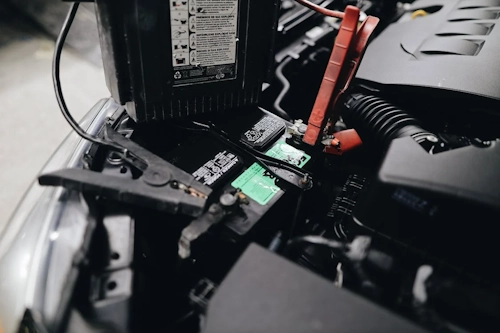
That gut-wrenching moment when your car refuses to start - it's a universal experience for drivers. The silence when you turn the key, the dimming dashboard lights, that dreaded clicking sound. Before you panic or spend money on unnecessary parts, let's demystify the heart of your vehicle's electrical system: the battery and alternator. These critical components work in concert, and understanding their distinct roles is the first step to accurate diagnosis and repair.
The Electrical Ecosystem: How Battery and Alternator Work Together
Think of your car's electrical system as a sophisticated power grid. The battery is your energy reservoir - its primary job is delivering the massive surge of power (400-2,000 amps!) needed to crank the engine and wake those mechanical giants sleeping under your hood. After ignition, the alternator transforms into your mobile power plant, converting rotational energy from the engine into electricity that both recharges the battery and powers every electrical component while driving.
Telltale Symptoms: Decoding Your Car's Distress Signals
| Symptom | Bad Battery | Bad Alternator |
|---|---|---|
| Starting Behavior | Slow cranking ("rurr, rurr" sound) or rapid clicking | Starts normally but stalls shortly after (10-15 minutes) |
| Electrical Performance | Consistently dim lights; accessories weaken when engine OFF | Flickering lights; erratic accessory performance; lights brighten with acceleration |
| Warning Indicators | Battery light may illuminate intermittently | Battery light stays illuminated; voltage gauge abnormal |
| Battery Condition | Corroded terminals; swollen case; rotten egg smell (acid leak) | Repeatedly dead batteries despite replacements |
| Audible Clues | Usually silent failure | Whining, grinding, or growling from engine bay |
| Operational Duration | Car runs normally if jump-started | Car dies within 1-2 hours even after jump-start |
| Odor Detection | Sulfuric (rotten egg) smell near battery | Burning rubber or hot wire smell |
Mastering the Diagnosis: DIY Troubleshooting Techniques
The Jump-Start Test: Connect jumper cables from a healthy vehicle. After starting:
- If engine stalls when cables disconnected → Suspect alternator failure
- If engine runs normally → Battery is primary culprit
Multimeter Voltage Checks:
- Battery Test (Engine OFF): Healthy voltage = 12.6V. Below 12.4V indicates undercharged/aging battery
- Alternator Test (Engine RUNNING): Measure at battery terminals. Proper charging = 13.5-14.7V
- Load Test: With engine running, turn on headlights, AC, rear defroster. Voltage should remain above 13V. Significant drop indicates weak alternator
Critical Warning Signs
If you notice a swollen battery case or strong rotten egg smell, discontinue testing immediately. These indicate dangerous acid leakage and potential explosion risk. Professional handling required!
Why Components Fail: Prevention Insights
Battery Killers:
- Age: 3-5 year lifespan is typical
- Short Trips: Prevents full recharging cycles
- Extreme Temperatures: Heat evaporates fluid; cold reduces cranking power
- Parasitic Drain: Accessories left operating
- Corrosion: Impedes electrical flow at terminals
Alternator Assassins:
- Worn Components: Brushes/bearings degrade (7-10 year average life)
- Belt Issues: Slipping or broken serpentine belt
- Contamination: Oil/coolant leaks damaging internal parts
- Electrical Overload: Aftermarket accessories exceeding capacity
- Bad Battery: A failing battery strains alternator
Pro Tip: The Interdependency Trap
A failing battery forces your alternator to work overtime, potentially causing premature alternator failure. Conversely, a bad alternator will systematically destroy even new batteries through under/over-charging. This is why comprehensive electrical system testing is crucial when replacing either component.
When DIY Isn't Enough: Professional Intervention
While basic voltage checks are accessible to most owners, these situations demand professional diagnostics:
- Intermittent electrical gremlins (flickering lights, random warnings)
- Suspected diode or voltage regulator issues
- Parasitic drain diagnosis (finding what's drawing power when off)
- Complex wiring problems or ECU communication errors
Modern vehicles with start/stop systems and advanced electronics require specialized equipment for accurate assessment. Professional shops perform:
- Load Testing: Measures battery performance under simulated starting conditions
- Ripple Testing: Detects faulty alternator diodes
- Parasitic Draw Test: Identifies abnormal power drains when vehicle is off
- Starter Current Draw Test: Assesses starter motor health
Survival Strategies: If You're Stranded
- Alternator Failure: Turn off ALL non-essential electronics. Drive directly to repair facility - you have limited battery reserve (typically 30-90 minutes)
- Battery Failure: Jump-start may get you moving, but replace battery ASAP. Modern vehicles suffer electronic glitches when voltage drops too low
- Unknown Cause: Carry a portable jump-starter pack. These compact lithium units provide emergency starting without another vehicle
Understanding the dance between your battery and alternator transforms you from a helpless victim into an empowered vehicle owner. By recognizing these symptoms early and applying these diagnostic techniques, you'll not only avoid getting stranded but also make informed repair decisions that save both time and money. Remember - electrical issues rarely improve with neglect. Address them promptly, and your car will reward you with years of faithful service.