

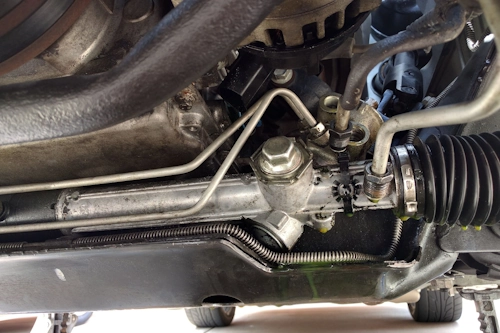
Imagine maneuvering a 3,000-pound vehicle with the same effort required to turn a heavy vault door - that was driving before power steering. This ingenious system transformed automobiles from exhausting machines into vehicles of comfort and accessibility. Modern power steering systems reduce steering effort by up to 80%, making parking effortless and highway driving precise. As we explore hydraulic, electro-hydraulic, and fully electric power steering technologies, you'll understand how these systems work, why they're essential, and how to maintain them for optimal performance.
The Evolution of Effortless Steering
Power steering technology traces its roots back to 1876 when an inventor named Fitts created the first known system, though details remain scarce. The concept gained traction when Robert E. Twyford included a mechanical power steering mechanism in his 1900 patent for four-wheel drive systems. The real breakthrough came in 1926 when Francis W. Davis, an engineer at Pierce-Arrow, developed the first practical hydraulic power steering system. Despite Chrysler introducing the first commercial passenger car system ("Hydraguide") on the 1951 Imperial, it wasn't until the late 20th century that power steering became standard equipment, coinciding with trends toward heavier vehicles, wider tires, and front-wheel drive layouts that increased steering effort.
How Power Steering Systems Work
Power steering systems augment the driver's input rather than replacing it entirely. When you turn the steering wheel, sensors detect this motion and trigger an assistance mechanism that reduces required effort. Three primary technologies accomplish this:
Hydraulic Power Steering (HPS)
The traditional system uses hydraulic pressure generated by an engine-driven pump. This belt-driven pump circulates specialized power steering fluid through high-pressure lines to either a steering rack or gearbox. Inside the steering mechanism, a rotary valve with a torsion bar senses steering wheel torque. When torque is applied, the valve directs pressurized fluid to the appropriate side of a hydraulic piston, which then assists in pushing the wheels in the desired direction. The torsion bar's twisting determines how much assistance is provided - more torque equals more assistance.
Electro-Hydraulic Power Steering (EHPS)
Bridging hydraulic and electric systems, EHPS replaces the belt-driven pump with an electrically powered hydraulic pump. This eliminates the constant engine-driven power drain while maintaining the hydraulic assistance feel drivers appreciate. First seen in the 1988 Subaru XT6 and popularized by Toyota's 1990 MR2 (where routing hydraulic lines from the mid-engine to front steering rack was impractical), this hybrid system provides hydraulic pressure only when needed, improving fuel efficiency over traditional HPS while offering more steering feel than fully electric systems.
Electric Power Steering (EPS)
The modern approach replaces hydraulic components entirely with an electric motor attached to either the steering column or steering rack. Sensors monitor steering column torque and rotation, sending data to an electronic control unit. This computer then commands the electric motor to apply precise assistance based on driving conditions. EPS offers significant advantages: it consumes power only when assistance is needed (improving fuel efficiency by 3-5%), enables customizable steering modes (Comfort, Sport, etc.), and facilitates advanced driver assistance features like lane-keeping and automated parking.
Hydraulic vs Electric Power Steering: Key Differences
| Feature | Hydraulic Power Steering (HPS) | Electric Power Steering (EPS) |
|---|---|---|
| Assistance Mechanism | Hydraulic pressure from engine-driven pump | Electric motor controlled by ECU |
| Energy Efficiency | Constant pump operation reduces fuel efficiency | Power used only during steering (up to 5% fuel savings) |
| Steering Feel | Rich road feedback, linear assistance | Adjustable feel but can feel artificial |
| Maintenance Requirements | Regular fluid changes, belt inspections, leak checks | Minimal maintenance; mostly electronic diagnostics |
| Weight & Complexity | Heavier (pump, fluid, hoses); simpler mechanics | Lighter; complex electronics and software |
| Advanced Features | Limited integration capabilities | Enables lane assist, self-parking, driver customization |
| Failure Mode | Heavy steering but mechanical backup remains | Heavy steering; potential complete loss with electrical faults |
Essential Power Steering Maintenance
Proper maintenance prevents costly repairs and ensures safety. Hydraulic systems require particular attention:
Fluid Level Checks
Monthly inspection prevents low-fluid damage:
- Run engine until warm (2-3 minutes)
- Turn wheel lock-to-lock several times to circulate fluid
- Locate reservoir (usually passenger-side; yellow/white container)
- Check level against HOT markings (typically amber or pink fluid)
- Top up with manufacturer-recommended fluid if below MIN line
Power Steering Fluid Types
Using incorrect fluid causes seal damage and poor performance:
- Automatic Transmission Fluid (ATF): Common in older vehicles
- Synthetic Hydraulic Fluid: Manufacturer-specific formulations
- Mineral-based Hydraulic Fluid: Older vehicle applications
Warning: Never substitute brake fluid for power steering fluid - it causes immediate seal damage and system failure.
Fluid Flush Service
Contaminated fluid causes wear, noise, and pump failure. Flush every 40,000-80,000 miles:
- Professional flush: Technicians disconnect return lines to purge old fluid
- Poor man's method: Use turkey baster to extract reservoir fluid; refill; repeat weekly until fluid clears
Recognizing Trouble Signs
Address these symptoms immediately:
- Whining/Groaning Noise: Low fluid or failing pump (most common during turns)
- Stiff Steering: Especially noticeable at low speeds
- Fluid Puddles: Reddish or amber fluid under front suspension
- Erratic Assistance: Assistance levels changing unexpectedly
- Vibration in Wheel: Air in system or damaged components
The Future of Steering Technology
As vehicles evolve toward electrification and autonomy, steer-by-wire systems (with no mechanical connection between wheel and tires) will replace conventional power steering. These enable radical innovations like customizable steering ratios and advanced stability interventions. However, current EPS systems already form the foundation for these technologies through features like:
- Speed-Sensitive Assistance: Heavy feel at highway speeds; light effort for parking
- Lane Keep Assist: Gentle steering inputs to maintain lane position
- Crosswind Compensation: Automatic steering correction in windy conditions
- Driver Profile Customization: Adjustable steering weight via infotainment
Why Power Steering Matters Beyond Convenience
While early adopters viewed power steering as a luxury, modern vehicles depend on it for fundamental safety. The higher steering forces required by wider tires, heavier vehicles, and advanced safety systems make mechanical steering impractical. Properly functioning power steering gives drivers the control precision needed to avoid accidents during emergency maneuvers. By understanding your system - whether hydraulic, electro-hydraulic, or fully electric - you ensure responsive handling when it matters most. Regular fluid checks (for hydraulic systems) and prompt attention to unusual noises or stiffness will extend your system's life and keep your vehicle responding as engineered.