

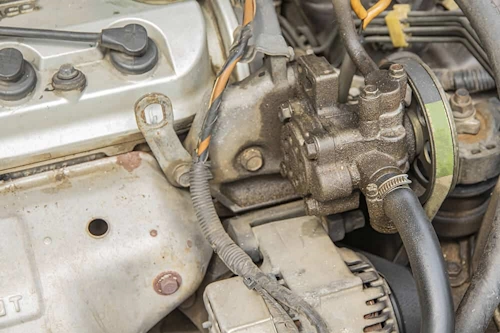
⚠️ Understanding Your Vehicle's Power Steering System
The power steering system is one of your vehicle's most crucial safety and comfort features. By pressurizing hydraulic fluid, the power steering pump reduces the physical effort required to turn your steering wheel, especially at lower speeds or when parking. This system consists of a slotted rotor that rotates, allowing fluid to enter and move to discharge ports before entering a reservoir where it helps the steering gear apply proper pressure to turn the wheels smoothly.
When functioning properly, the power steering system makes maneuvering your vehicle effortless. However, when components begin to fail—particularly the pump—it can compromise both your driving comfort and safety. Recognizing early warning signs and addressing them promptly can prevent more extensive damage and costly repairs down the road.
🔍 Top Symptoms of a Failing Power Steering Pump
1. Unusual Noises When Steering
One of the most common early indicators of pump trouble is unusual noises when turning the steering wheel:
- Whining or squealing when turning or at startup often indicates low fluid level or a leak in the system.
- Groaning noises typically suggest insufficient power steering fluid, which may damage other system components.
- Knocking sounds in electric power steering systems often signal pump malfunction when maneuvering the vehicle.
These noises occur because the pump is struggling to build sufficient pressure or air has entered the system, causing cavitation within the fluid.
2. Stiff or Difficult Steering
A noticeable increase in steering effort, particularly at lower speeds or when parking, often indicates diminishing power assistance. This stiffness can develop gradually, making it easy to overlook until the problem becomes severe. Several factors can contribute to this symptom:
- Loss of power steering assistance due to pump failure
- Contaminated fluid that has thickened and become less effective
- Air bubbles in the system causing loss of hydraulic pressure
3. Steering Response Delays and Irregularities
If your steering wheel feels sluggish or unresponsive, or if you notice the wheels seem to "catch up" with your turning motion, this could indicate a failing pump. This delayed response can be particularly dangerous during quick maneuvers, lane changes, or emergency situations.
You might also experience jerky or erratic steering, especially when making sharp turns or maneuvering at low speeds. This often results from air bubbles in the power steering fluid causing inconsistent pressure delivery.
4. Visible Fluid Issues and Leaks
Regular inspection of your power steering fluid can reveal early signs of pump trouble:
- Low fluid levels requiring frequent topping off
- Discolored fluid that appears grayish due to oxidation from excess air entering a damaged system
- Metal particles or shavings in the fluid, indicating internal component wear
- Visible leaks beneath the vehicle, often showing as reddish-brown puddles
5. Dashboard Warning Lights Illuminate
Modern vehicles equipped with electronic monitoring systems may activate a power steering warning symbol on the dashboard when sensors detect irregularities in system operation. This warning can indicate various issues, including:
- Faulty power steering pump
- Contaminated fluid
- Broken power steering belt
- Other system malfunctions
📊 Power Steering Pump Symptoms Reference Table
| Symptom | What It Sounds/Looks Like | Potential Implications |
|---|---|---|
| Whining/Squealing | High-pitched noise when turning | Low fluid level or system leak |
| Groaning Noise | Deep, moaning sound during turns | Insufficient fluid or serious pump damage |
| Stiff Steering | Increased effort required to turn wheel | Pump failure or contaminated fluid |
| Fluid Discoloration | Grayish fluid with possible metal particles | Internal pump wear and oxidation |
| Delayed Response | Wheels slow to respond to steering input | Pressure loss in hydraulic system |
⚙️ What Causes Power Steering Pump Failure?
Understanding what leads to pump failure can help prevent it:
- Contaminated Steering Fluid: Dirt, debris, and metal particles can accelerate wear on internal components.
- Low Fluid Levels: Operating with insufficient fluid causes increased friction and heat, damaging the pump.
- Worn or Broken Drive Belt: A damaged belt can't properly power the pump, reducing effectiveness.
- Worn-Out Pulleys: Damaged crankshaft or power steering pulleys affect belt traction and pump operation.
- Cracked Hoses or Loose Clamps: These reduce hydraulic pressure to the steering gear.
- General Age and Wear: Like all mechanical components, power steering pumps wear out over time, typically lasting between 100,000-150,000 miles.
🛠️ Power Steering Pump Replacement Process
Replacing a faulty power steering pump is a manageable DIY project for those with mechanical experience, though many prefer professional assistance. The process typically takes about 4 hours for a skilled home mechanic.
Necessary Tools and Materials:
- Replacement power steering pump
- Power steering pulley puller set (essential—standard pullers may damage pulley)
- Two quarts of appropriate fluid (check manufacturer specification—some systems use ATF)
- Socket set and open-end wrenches
- Drain pan for fluid collection
- Wheel bearing grease for pulley installation
Replacement Steps:
- Drain the system and disconnect the negative battery cable for safety.
- Remove the power steering belt and disconnect both pressure and return hoses from the pump.
- Use the pulley puller to remove the pulley carefully without distorting it.
- Remove mounting bolts and extract the faulty pump from its bracket.
- Install the new pump, tighten mounting bolts, and reconnect the pressure hose (return hose remains disconnected for flushing).
- Press the pulley onto the new pump using a specialized pulley press tool, ensuring proper alignment.
- Reattach belts and carefully align the pulley with other components using a straight edge.
- Flush the system with fresh fluid before reconnecting the return hose to remove contamination.
- Refill with recommended fluid, bleed air from the system by turning the wheel lock-to-lock with the engine running, and check for leaks.
Note: Proper pulley alignment is critical—misalignment causes premature belt wear and noise.
💰 Cost Considerations: DIY vs. Professional Replacement
The cost of addressing power steering pump issues varies significantly based on your approach:
- DIY Replacement: Typically costs under $50 for the pump plus additional costs for specialized tools (like a pulley puller set) and fluids. Many auto parts stores offer tool rental programs to reduce this expense.
- Professional Replacement: Generally costs $200 or more, depending on your vehicle make and model and local labor rates.
While DIY replacement offers significant savings, consider your mechanical skills before attempting this repair. Improper installation can lead to additional expenses and potentially dangerous steering malfunctions.
🔧 Preventive Maintenance Tips
Regular maintenance can extend your power steering pump's life and prevent unexpected failures:
- Monthly Fluid Checks: Check power steering fluid level monthly and top up with manufacturer-recommended fluid as needed.
- Regular Fluid Changes: Flush and replace power steering fluid according to your vehicle manufacturer's recommendations (typically every 50,000-75,000 miles).
- Belt Inspections: Regularly inspect the power steering pump belt for wear, cracks, or improper tension.
- Prompt Leak Repairs: Address any fluid leaks immediately to prevent pump damage from running low on fluid.
- Professional Inspections: Include power steering system checks in your regular maintenance routine, especially if you notice any early warning signs.
🚨 When to Seek Professional Help
While some power steering issues can be addressed with simple fluid maintenance, certain symptoms warrant immediate professional attention:
- Complete loss of power steering assistance
- Visible metal particles in the power steering fluid
- Multiple symptoms occurring simultaneously
- Any steering problem that compromises vehicle control
If you experience these issues, consult a certified technician with the expertise and diagnostic tools to accurately identify and resolve the problem.
❓ Frequently Asked Questions
Can I drive with a bad power steering pump?
While technically possible, driving with a failing power steering pump is not recommended. It can lead to complete steering failure, increased steering effort that compromises control, and potential damage to other steering components.
How long does a power steering pump typically last?
With proper maintenance, most power steering pumps last between 100,000-150,000 miles. However, contamination, fluid issues, or pre-existing conditions can shorten this lifespan.
Is there a difference between hydraulic and electric power steering pump symptoms?
While many symptoms are similar, electric power steering systems may produce different noises (such as knocking sounds) and often trigger specific warning lights since they're integrated with the vehicle's electronic monitoring systems.
Can I use stop-leak additives for power steering leaks?
While available, these additives are generally not recommended as they can sometimes cause more harm than good by clogging small passages in the steering system. Proper repair of the underlying issue is always the preferred solution.
✅ Conclusion
Your vehicle's power steering system plays a vital role in both safety and driving comfort. Recognizing the early warning signs of power steering pump failure—including unusual noises, stiff steering, fluid leaks, and delayed response—can help you address problems before they escalate into more dangerous and costly repairs.
Regular maintenance, including fluid checks and changes, belt inspections, and prompt attention to leaks, can significantly extend the life of your power steering components. Whether you choose DIY replacement or professional service, addressing power steering issues promptly will ensure your vehicle remains safe, responsive, and enjoyable to drive.
Remember: when in doubt about your vehicle's steering system, always consult a qualified professional. Your safety—and that of others on the road—depends on proper vehicle maintenance and prompt attention to warning signs.
This article is for informational purposes only. Always consult your vehicle's manufacturer guidelines and a qualified professional for specific advice regarding your automobile.