

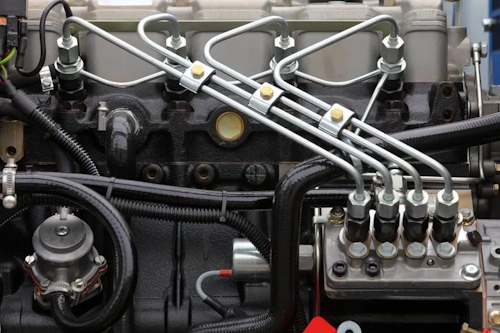
The fuel system is the lifeblood of your vehicle, silently working to convert stored energy into motion. Understanding its intricacies empowers you to diagnose issues early, optimize performance, and appreciate the engineering marvel beneath your hood. This guide delves into every aspect of modern fuel systems, from the tank to the tailpipe.
1. Core Components of the Fuel System
A modern fuel system is a precision network of components working in harmony. Key elements include:
- Fuel Tank: Stores gasoline or diesel, typically located at the vehicle’s rear. It includes a ventilation system to prevent pressure buildup.
- Fuel Pump: Transfers fuel from the tank to the engine. Modern systems use electric fuel pumps (common in fuel injection) for higher reliability and precise delivery, while older carbureted systems may use mechanical pumps.
- Fuel Filter: Removes contaminants before fuel reaches critical components. Clogged filters can cause pump failure and performance issues.
- Fuel Injectors: Electronically controlled nozzles that spray a fine, atomized mist of fuel into the combustion chamber or throttle body, ensuring optimal air-fuel mixture.
- Fuel Pressure Regulator: Maintains consistent pressure within the system, crucial for injection accuracy.
- Fuel Lines and Rails: Steel lines and flexible hoses transport fuel, while the rail distributes it to injectors in injected engines.
- Fuel Gauge and Sending Unit Monitors fuel level in the tank. Note: Sending units are often inaccurate near empty or full.
- Pulsation Damper: Reduces pressure fluctuations caused by injector operation, ensuring delivery consistency.
2. How the Fuel System Works: Principles of Operation
The fuel system operates as a continuous cycle: storage, delivery, filtration, injection, and return. Here’s a step-by-step breakdown:
- Fuel Delivery: When the engine starts, the fuel pump (submerged in-tank or inline) draws fuel from the tank and sends it under pressure through fuel lines.
- Filtration: Fuel passes through one or more filters that remove dirt, rust, and debris, protecting the injectors and engine.
- Injection and Regulation: Filtered fuel reaches the fuel rail and injectors. The pressure regulator ensures optimal pressure for injection. Injectors, controlled by the engine computer (ECU), open precisely to spray fuel into the intake manifold or combustion chamber.
- Combustion: The injected fuel mixes with air in the combustion chamber. Spark plugs (gasoline) or compression (diesel) ignite the mixture, producing power.
- Return System: Excess fuel not used for combustion returns to the tank via return lines, cooling the injectors and reducing vapor formation.
In carbureted engines, fuel is drawn into the engine by vacuum and mixed with air in the carburetor—a simpler, low-pressure system. In contrast, fuel-injected engines are high-pressure systems managed electronically for greater precision and efficiency.
3. Common Symptoms of Fuel System Problems
Recognizing early warning signs can prevent costly repairs. Watch for these symptoms:
- Hard Starting: Difficulty starting the engine, especially when cold, often indicates low fuel pressure or a weak pump.
- Poor Fuel Economy: A sudden drop in mileage suggests issues like clogged filters, leaky injectors, or pressure problems.
- Engine Misfires or Hesitation: Rough idling, stuttering during acceleration, or power loss under load can signal uneven fuel delivery or clogged injectors.
- Stalling: Engine cutting out unexpectedly, particularly at idle, may point to fuel starvation or regulator failure.
- Fuel Odors: Noticeable gasoline smells inside or outside the vehicle often indicate leaks in lines, tank, or evaporative system.
- Black Smoke from Exhaust: Excessively rich fuel mixture (too much fuel) causes black smoke and often stems from injector leaks or faulty sensors.
- Check Engine Light: Illumination with codes related to fuel trim, pressure, or mixture richness warrants immediate attention.
4. Emission Control Systems: Protecting the Environment
Modern fuel systems integrate tightly with emission controls to minimize environmental impact:
| System | Function | Key Component |
|---|---|---|
| Catalytic Converter | Converts harmful pollutants (CO, NOx, hydrocarbons) into less harmful gases like CO₂ and N₂. | Ceramic or metallic substrate with catalyst coatings |
| Oxygen (O₂) Sensors | Monitor oxygen levels in exhaust gases, enabling the ECU to adjust air-fuel ratio for optimal combustion and efficiency. | Upstream and downstream sensors |
| Evaporative Emission Control (EVAP) | Captures fuel vapors from the tank, stores them in a charcoal canister, and reintroduces them into the engine for burning, preventing atmospheric release. | Charcoal canister, purge valve, vent valve |
| Exhaust Gas Recirculation (EGR) | Recirculates a portion of exhaust gas back into the intake to reduce combustion temperatures and limit NOx formation. | EGR valve, cooler |
| Positive Crankcase Ventilation (PCV) | Recycles crankcase gases (blow-by) into the intake for combustion, reducing emissions and oil contamination. | PCV valve, hoses |
5. Maintenance Tips for Longevity and Performance
Proactive maintenance ensures reliability and efficiency:
- Replace Fuel Filters Regularly: Follow manufacturer intervals to prevent clogging and pump strain.
- Use Quality Fuel: Top-tier gasoline or diesel with detergents helps keep injectors clean.
- Address Leaks Immediately: Inspect lines, connections, and tank for leaks—safety critical!
- Monitor Performance: Note changes in starting, idling, or mileage; diagnose early.
- Periodic Injector Cleaning: Use recommended cleaners or professional services to remove deposits.
- Check Pressure: Use a gauge to verify fuel pressure if symptoms point to delivery issues.
- Inspect EVAP System: Ensure gas cap seals tightly and vapor lines are intact to avoid leaks and CEL lights.
Conclusion
The fuel system is a sophisticated network that demands attention and understanding. From the tank to the injectors, each component plays a vital role in performance, efficiency, and emissions. Recognizing symptoms like hard starting, poor economy, or unusual smoke enables proactive repairs, while embracing emission technology contributes to a cleaner environment. Regular maintenance—filter changes, using quality fuel, and prompt leak repairs—will ensure your vehicle runs smoothly for years. Stay vigilant, and appreciate the engineering that powers every journey.