

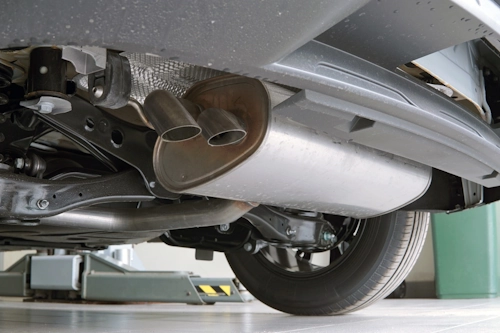
Replacing a muffler might seem like a simple task — remove the old part, bolt on the new one, and you’re done. But in reality, a muffler is more than just a pipe at the end of your exhaust system. It plays a critical role in reducing noise, controlling emissions, and maintaining the engine’s backpressure. Choosing the wrong type or installing it incorrectly can lead to excessive noise, fines, or even reduced performance.
Understanding the Role of the Muffler
The muffler, or silencer, is designed to cancel out the sound waves created by the engine’s exhaust gases. Inside the housing, there are chambers and perforated tubes that reflect and absorb sound energy. This process lowers the decibel level and ensures your car meets local noise regulations. A well-designed muffler also contributes to the proper flow of exhaust gases, preserving engine efficiency and fuel economy.
When to Replace Your Muffler
Most mufflers last between 3 to 7 years, depending on driving conditions and materials. Corrosion from road salt, short trips that cause condensation, or physical damage from road debris are the main culprits behind failure. Signs that your muffler may need replacement include:
- Louder exhaust noise — a deep rumble or metallic rattle indicates a hole or loose baffle.
- Rust or visible damage — especially near welds or hangers.
- Exhaust smell inside the cabin — a potential leak that can be hazardous.
- Reduced performance — improper exhaust flow can affect backpressure and torque.
Types of Mufflers for Everyday Vehicles
There are several categories of mufflers, each offering different characteristics in sound and performance. For a daily driver, the goal is a balance between quiet operation and reliability.
1. Chambered Mufflers
These use a series of chambers to cancel sound waves. They produce a classic, slightly aggressive tone, but still remain within legal noise limits when properly installed.
2. Turbo Mufflers
Known for their S-shaped flow path, turbo mufflers provide quiet operation and good flow characteristics. They are ideal for city vehicles and commuters.
3. Straight-Through (Glasspack) Mufflers
These offer minimal restriction and a louder tone, suitable for performance applications. However, they often exceed legal noise limits if installed on everyday vehicles without additional silencers.
Noise Regulations and Legal Considerations
Every country — and often each state or region — sets its own limits for vehicle exhaust noise. For example, in most parts of the European Union, passenger vehicles must not exceed 74 dB(A) under standard test conditions. In the United States, local noise ordinances usually set the maximum between 85–95 dB(A) at a specific distance from the exhaust outlet.
Installing an aftermarket exhaust that exceeds these limits can result in fines, vehicle inspection failures, or even registration revocation. Before buying a new muffler, it’s crucial to verify whether it is marked as “road legal” or “street approved” for your region. These markings indicate that the manufacturer has tested and certified the component under applicable standards (e.g., ECE R59 in Europe or EPA noise regulations in the U.S.).
Emission Compliance
While mufflers primarily control noise, some aftermarket systems can affect emissions by altering exhaust flow or removing catalytic components. Modifying or removing emission-related parts is illegal in most countries and can lead to heavy penalties. Always ensure your new muffler is compatible with the catalytic converter and oxygen sensors of your vehicle.
Choosing the Right Muffler
When selecting a replacement, consider the following factors:
- Material: Stainless steel offers the best corrosion resistance and longevity, while aluminized steel is a budget-friendly alternative.
- Fitment: Always check compatibility with your vehicle’s make, model, and engine type. Universal mufflers may require welding or custom hangers.
- Sound rating: Manufacturers often provide decibel measurements or subjective sound scales (quiet, moderate, loud).
- Brand certification: Choose mufflers from reputable brands that comply with OEM specifications or hold certifications for street use.
Step-by-Step Muffler Replacement Guide
Replacing a muffler can be done at home with basic tools, though a lift or pit makes the job easier and safer.
- Prepare the vehicle: Park on a level surface, engage the parking brake, and ensure the exhaust is cool.
- Inspect the old muffler: Identify the connection points — usually clamps or flanges — and note any rusted areas.
- Loosen the connections: Use penetrating oil on bolts and joints. Remove the old clamps or cut the pipe if necessary.
- Detach from hangers: Support the muffler’s weight and remove the rubber hangers carefully.
- Install the new muffler: Slide it into position, align with the existing pipes, and secure with new clamps or welded joints.
- Check alignment: Ensure the exhaust tip is centered and not touching the bumper or suspension.
- Test for leaks: Start the engine and feel around the joints for escaping air. Tighten clamps if needed.
Tips for a Legal and Safe Installation
- Never remove the catalytic converter or resonator unless installing OEM-approved replacements.
- Maintain the factory routing of the exhaust system to prevent overheating or interference with underbody components.
- Keep noise levels within legal limits — a professional noise meter test can confirm compliance.
- Retain proof of purchase and certification for the muffler in case of inspection.
Common Mistakes to Avoid
Many DIY installations fail due to poor alignment or improper sealing. Avoid using old clamps or thin gaskets — they often cause leaks. Welding provides a longer-lasting seal but should be done by an experienced technician. Another common issue is over-tightening hangers, which can transmit vibrations into the cabin and damage mounts over time.
Testing and Maintenance After Replacement
Once installed, check the exhaust system every few months for signs of rust, loose fittings, or rattling. A well-maintained muffler not only ensures quiet operation but also prevents harmful gases from entering the cabin. For those living in regions with strict vehicle inspections, having a clean and legal exhaust system can save time and money during annual checks.
Conclusion
Replacing your car’s muffler is not just about restoring silence — it’s about maintaining performance, safety, and compliance with the law. Whether you choose an OEM replacement or a certified aftermarket part, ensure it meets your vehicle’s technical and legal requirements. With proper installation and maintenance, your new muffler will keep your car running smoothly and quietly for years to come.