

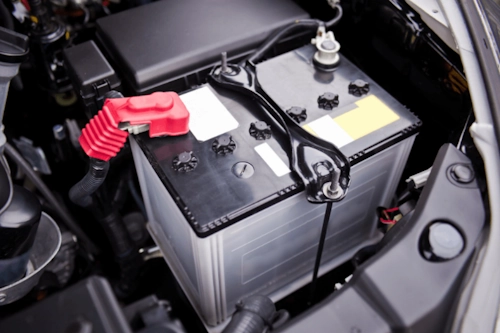
Understanding Deep Cycle Batteries: The Powerhouse for Sustained Energy Needs
When most people think of car batteries, they imagine the starter battery that delivers a quick, powerful burst of energy to crank the engine. However, for applications requiring steady power over extended periods, a different type of battery is essential: the deep cycle battery. Unlike starter batteries, deep cycle batteries are engineered to be discharged repeatedly using most of their capacity without sustaining damage, making them ideal for RVs, marine vessels, golf carts, renewable energy systems, and more.
What Exactly Is a Deep Cycle Battery?
A deep cycle battery is a lead-acid battery designed to provide continuous, reliable power over a long duration. While it can resemble a standard car battery externally, its internal construction is fundamentally different. Key design differences include:
- Thicker Lead Plates: Deep cycle batteries use thicker, solid lead plates compared to the thinner, sponge-like plates in starter batteries. This robust construction allows them to withstand repeated deep discharge and recharge cycles without significant degradation.
- Designed for Deep Discharge: While a car battery is only meant to discharge 2–5% of its capacity to start an engine, a deep cycle battery can reliably discharge 80% or more of its capacity before needing a recharge. However, most manufacturers recommend not regularly discharging below 45–50% to maximize the battery’s lifespan.
- Steady Current Output: They are optimized to deliver a steady amount of current over a long period rather than a short, high-current burst.
Key Difference: Deep Cycle vs. Starter Battery
| Feature | Starter Battery | Deep Cycle Battery |
|---|---|---|
| Primary Function | Deliver short, high-power burst to start an engine | Provide sustained power over a long period |
| Plate Design | Thin, numerous plates for high surface area | Thicker, solid plates for durability |
| Depth of Discharge | Designed for 2-5% discharge | Can handle 45-80%+ discharge regularly |
| Cycle Life | 30-150 cycles if deeply discharged | Hundreds to thousands of cycles |
| Common Ratings | CCA (Cold Cranking Amps) | Amp-Hours (Ah), Reserve Capacity (RC) |
The Different Types of Deep Cycle Batteries
Deep cycle batteries come in several chemistries and designs, each with unique advantages, disadvantages, and maintenance needs.
1. Flooded Lead-Acid (FLA) / Wet Cell Batteries
The oldest and most traditional type. They contain a liquid electrolyte solution of sulfuric acid and water.
- Advantages: Low cost, reliable, tolerant of overcharging, and robust. They are the world's most recycled product.
- Disadvantages: Require regular maintenance (watering), must be kept upright, risk of acid leakage, and emit hydrogen gas during charging. They have a typical usable capacity of 30-50%.
- Maintenance: Regular checking of electrolyte levels and topping up with distilled water is crucial to keep the plates submerged and prevent sulfation.
2. Valve-Regulated Lead-Acid (VRLA) Batteries (Sealed)
These are sealed, maintenance-free batteries that recombine gases internally. The two main subtypes are:
- Absorbent Glass Mat (AGM): The electrolyte is suspended in a fine fiberglass mat. They are spill-proof, can be mounted in any orientation, charge efficiently (95%), and have a higher usable capacity (60-80%). They are sensitive to overcharging.
- Gel Batteries: The electrolyte is gelled with silica. Similar to AGM, they are spill-proof and maintenance-free. They are more tolerant of high heat than AGM but require a specific charging profile and cannot handle fast charging.
3. Lithium-Ion (Li-Ion) Batteries
The newer technology rapidly gaining popularity, especially Lithium Iron Phosphate (LiFePO4).
- Advantages: Extremely high efficiency (99%), very long cycle life (2000-5000 cycles), lightweight, maintenance-free, and can be discharged up to 100% of their capacity without damage. They suffer minimal capacity loss in cold weather.
- Disadvantages: Highest upfront cost. They require a Battery Management System (BMS) for protection and cannot be charged at freezing temperatures.
- Maintenance: Virtually none. They do not require watering or equalization. Storing them at a 50% state of charge is recommended for long-term health.
Common Applications: Where Are Deep Cycle Batteries Used?
Deep cycle batteries are the workhorses for any application that requires a steady "pull" of energy over time. Common uses include:
- Recreational Vehicles (RVs): Powering lights, refrigerators, and appliances.
- Marine Applications: Running trolling motors, navigation equipment, and onboard electronics on boats.
- Renewable Energy Systems: Storing solar or wind energy for off-grid homes or cabins.
- Material Handling: Powering electric forklifts and floor sweepers.
- Mobility Devices: Energizing electric wheelchairs and scooters.
- Golf Carts and Low-Speed Electric Vehicles.
- Uninterruptible Power Supplies (UPS) and backup systems for critical equipment.
Maximizing Your Investment: Essential Maintenance Tips
Proper care is paramount to extending the life and performance of any deep cycle battery. Here’s a consolidated guide:
- Break-In Period: New deep cycle batteries often require 20-50 charge/discharge cycles to reach their full capacity. Limit their use in the early stages.
- Regular Charging: Recharge immediately after use. Avoid storing the battery in a discharged state. For lead-acid batteries, never let the charge drop below 50% regularly. Use a quality smart 3-stage charger designed for your battery's chemistry (lead-acid vs. lithium) to prevent under or overcharging.
- Watering (Flooded Batteries Only): Check electrolyte levels every 2-4 weeks. Use only distilled or deionized water to top up cells after charging, ensuring the plates are covered by about 1/8" of fluid. Avoid overfilling.
- Equalization (Lead-Acid Only): Perform an equalization charge every 1-3 months. This is a controlled overcharge that helps balance the cell voltages, remove sulfate crystal buildup from the plates, and stir the electrolyte to prevent stratification.
- Keep It Clean and Tight: Regularly clean the battery case and terminals of dirt, grime, and corrosion (use a baking soda paste and wire brush). Ensure all cable connections are secure but not over-tightened to prevent damage.
- Temperature Matters: Batteries perform best at 77°F (25°C). High temperatures are a primary killer; every 15°F above 77°F can halve the battery’s lifespan. Cold temperatures reduce their available capacity. Store and use batteries in a temperate, well-ventilated area.
- Proper Storage: If storing a battery long-term, fully charge it first and disconnect all cables. Store in a cool, dry place. For lead-acid types, check the charge every 1-2 months and boost it if necessary. Lithium batteries are best stored at a 50% state of charge.
- Safe Pairing: When connecting multiple batteries for more voltage or capacity, only pair batteries of the same type, age, size, and usage level. Mixing old and new or different models can lead to imbalanced charging and premature failure.
Choosing the Right Deep Cycle Battery for Your Needs
Selecting a battery involves more than just picking a group size. Consider these factors:
- Application: Is it for a level, stationary application (flooded may work) or something that moves and tips (AGM/Gel is better)?
- Capacity: Look at the Amp-Hour (Ah) or Reserve Capacity (RC) rating to ensure it meets your energy requirements. It's better to have more capacity than you think you need.
- Maintenance Willingness: If you don't want to check water levels, a sealed AGM, Gel, or Lithium battery is the answer.
- Budget: While flooded batteries are cheapest upfront, Lithium batteries often have a lower total cost of ownership due to their incredibly long lifespan and lack of maintenance needs.
- Weight and Space: Lithium batteries offer the highest energy density, meaning more power in a smaller, lighter package.
Always ensure you are buying a "true" deep cycle battery and not a dual-purpose or starting battery if you intend to use it for deep discharge applications.
Conclusion: Powering Your Adventures Reliably
Deep cycle batteries are indispensable for unlocking freedom and convenience on the road, on the water, or off the grid. Understanding the key differences between them and standard car batteries, along with the nuances of different chemistries, empowers you to make an informed choice. Whether you choose the economical flooded lead-acid or invest in the advanced performance of lithium, proper maintenance is the key to longevity. By following the guidelines for charging, watering, and storage, you can ensure your battery provides dependable power for countless cycles and adventures to come.
Remember: Always prioritize safety. Wear protective gear when handling batteries, work in a ventilated area, and always recycle old batteries responsibly at designated centers.