

If you drive a lot or simply want a calmer, better-equipped cabin, the right electronics are not a luxury—they’re practical safety and convenience. This guide cuts the noise and focuses on what’s worth buying: fast in‑car chargers, compact inverters, and dependable OBD dongles.
What to buy first
- USB‑C PD charger (45–65 W): fast charging for a laptop/tablet and phone. Look for PD 3.0/3.1 and PPS support for newer smartphones.
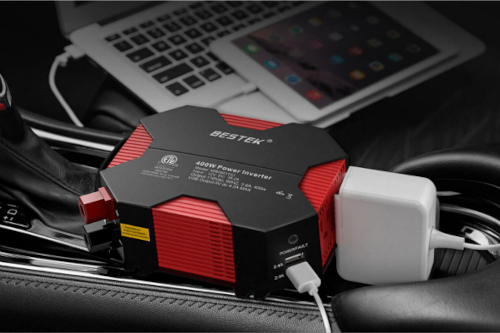
- 12V→AC inverter (300–600 W): for laptops, tools, compressors. Overload/over‑temp protection is a must; a pure sine wave inverter is a big plus for sensitive electronics.
- OBD adapter (Bluetooth/USB): read/clear DTCs and view live data. Choose proven chipsets (e.g., v2.2) and confirm compatibility with apps like Torque or Car Scanner.
How to choose for reliability
- Certifications & honest specs: CE/UKCA markings and realistic current/power ratings.
- Thermal design: metal case and proper heatsinking on inverters; quality heatsink design on chargers. No throttling under sustained load.
- Protections: short‑circuit, over‑voltage, over‑temp, reverse‑polarity. For OBD, auto‑sleep to protect the battery when parked.
- Cabling: solid contacts; 2.5–4 mm² leads for inverters up to ~600 W; keep cable length reasonable to minimize voltage drop.
One trip, three use cases
- Charge your laptop from the PD charger—not the inverter (fewer losses, less heat).
- Use the inverter only for short bursts (air pump/power tool), then switch it off.
- Plug in the OBD adapter to scan for codes before a long drive and to monitor coolant temp/voltage on the road.
Pre‑buy checklist
- PD charger: 45–65 W, PPS, dual ports (USB‑C + USB‑A).
- Inverter: pure sine wave, 300–600 W, proper protections and cooling.
- OBD: reliable chipset, auto‑sleep, proven app/vehicle compatibility.
Common mistakes
- “Fast” budget chargers without thermal protection → overheating and poor current stability.
- Oversized inverter on thin leads → hot cables and melted insulation risk.
- Leaving the OBD dongle in permanently without auto‑sleep → parasitic draw.
Takeaway
A quality PD charger, a compact honest‑watt inverter, and a smart OBD adapter with auto‑sleep make daily driving safer and easier—and save time on the road.