

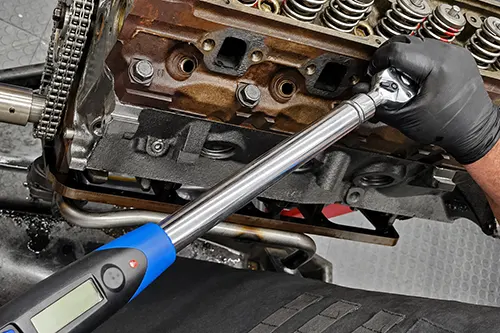
Every seasoned mechanic has felt that sickening moment: the slow, grinding give of a bolt head rounding off, the sudden release of stripped threads, or the snap of an overtightened fastener. In a world of high-horsepower engines and complex chassis, we often obsess over big components—but it's the smallest fasteners that separate a smooth repair from a disaster. Small fasteners—those delicate M6, M8, or 1/4‑inch bolts holding valve covers, throttle bodies, interior trim, and sensor brackets—are the primary victims of overzealous wrenching. When torque specs are ignored, these tiny threads strip, snap, or pull out of softer aluminum castings, turning a five‑minute job into an afternoon of helicoils and expletives.
In this guide, I'll draw on three decades of turning wrenches on everything from Japanese four‑cylinders to German luxury sedans and American V8s. You'll learn exactly where torque specs matter most, which fasteners are the usual suspects, and—most importantly—how to avoid turning a simple bolt into a permanent resident of your engine bay.
Why Small Fasteners Are So Vulnerable
Torque specifications exist for one fundamental reason: to create the correct clamping force without exceeding the yield strength of the fastener or the threaded hole. With large bolts (M12 and above), there's a generous window between "tight enough" and "too tight." But with small fasteners, that window shrinks dramatically. A typical M6 x 1.0 bolt (common on valve covers, intake plenums, and water pump housings) has a recommended torque often between 7 and 12 Nm (5‑9 lb‑ft). That's barely more than finger‑tight plus a quarter turn. Without a torque wrench, most backyard mechanics will double or triple that figure without even breaking a sweat.
Why do they strip so easily? Three reasons: First, the thread engagement area in aluminum castings is short—often only 1.5 to 2 times the bolt diameter. Second, small fasteners have less cross‑sectional area, so they yield (stretch permanently) at much lower torque. Third, corrosion and debris in the threads create false torque readings, making you think you're not there yet when you're already over. The result? Stripped threads, snapped bolt heads, or a bolt that stretches so much it loses all clamping force—leading to oil leaks, vacuum leaks, or rattling interior panels.
The Worst Offenders: Small Fasteners That Bite Back
Based on real‑world shop experience, these are the most notorious small fasteners that strip, seize, or snap when torque specs are ignored:
1. Valve Cover Bolts (M6, 8‑12 Nm)
Valve cover bolts thread directly into the cylinder head—often aluminum. The spec is laughably low: typically 8‑10 Nm (6‑7 lb‑ft). But because valve cover gaskets need to compress evenly, weekend warriors crank them down "just a little more" to stop a leak. That extra ugga‑dugga strips the threads instantly, and now you're facing a threaded insert repair on the most expensive part of the engine. Use a small 1/4‑inch drive torque wrench, always start each bolt by hand, and follow the factory sequence.
2. Intake Manifold Bolts (M6 or M8, 10‑15 Nm)
Plastic or aluminum intake manifolds are held by slender bolts into the cylinder head. Over‑torquing warps the manifold, cracks plastic runners, or strips the head threads. The repair is brutal—often requiring removal of the entire intake to drill and helicoil. I've seen more than one DIYer scrap a perfectly good manifold because they used a 3/8‑inch ratchet "by feel."
3. Throttle Body Bolts (M6, 8‑10 Nm)
These tiny bolts secure your throttle body to the plastic or aluminum intake. The housing is often soft metal or composite. Overtightening cracks the housing (new throttle body: $300+), or strips the threads. The symptoms? Vacuum leaks, erratic idle, and a check engine light. All because you wanted to be "sure it's tight."
4. Thermostat Housing Bolts (M6, 8‑12 Nm)
Thermostat housings are usually aluminum or plastic. The bolts go into the engine block or water pump. The spec is low because the gasket only needs light compression. Over‑torque strips the block threads, leading to coolant leaks that can strand you. Worse, the bolt often seizes due to galvanic corrosion, snapping flush with the block. That's a drill‑out job that no one enjoys.
5. Brake Caliper Guide Pin Bolts (M8 or M10, 25‑35 Nm)
While not as tiny as M6, these bolts are often abused with impact guns. They thread into the caliper bracket or the caliper itself. Over‑torquing strips the aluminum threads or stretches the bolt, causing the caliper to stick or the bolt to snap under braking. I've witnessed a snapped caliper bolt send a caliper through a wheel—a catastrophic failure. Use a torque wrench every single time.
6. Interior Trim Screws (M4 or M5, 2‑4 Nm)
These tiny screws hold door panels, dashboard trim, and consoles. They thread into plastic or stamped metal clips. Over‑torquing strips the plastic or spins the clip. Suddenly your interior rattles like a '90s taxicab. The fix? Oversized screws or new clips. The best fix is a 1/4‑inch driver with a torque limiter—or simply turning until snug, then stopping.
7. Oil Pan Bolts (M6 or M8, 8‑12 Nm)
Oil pans—especially stamped steel or aluminum—use many small bolts to distribute clamping force evenly. Over‑torquing warps the pan flange, crushes the gasket, and leads to oil seepage. Worse, you can strip the block threads, turning a simple gasket replacement into an engine‑out repair. Always use a torque wrench in a star pattern.
Why Torque Specs Aren't Just a Suggestion
Many enthusiasts believe torque specs are for "factory robots" or "overly cautious engineers." That mindset costs thousands in repairs each year. Here's what happens when you ignore the spec:
- Thread stripping: The soft aluminum or cast iron threads pull out. The bolt spins freely but never tightens. Repair requires a helicoil, Time‑Sert, or oversized tap.
- Bolt stretching (yielding): The bolt permanently elongates. It no longer provides consistent clamping force, leading to leaks or loosening under vibration.
- Snapping: The bolt head separates from the shank, leaving the threaded portion inside the hole. Extraction involves drilling, left‑hand bits, or an EZ‑Out (which often breaks, making things worse).
- Warping of mating surfaces: Uneven or excessive torque distorts aluminum cylinder heads, intake manifolds, or valve covers, causing leaks that no gasket can seal.
In short, the torque spec is the only reliable way to achieve the clamping force the engineer designed—without damaging the fastener or the component.
How to Avoid Stripping Small Fasteners: Pro Techniques
After three decades, I've developed a routine that eliminates 99% of stripped‑bolt heartaches. Follow these steps every time you touch a small fastener.
1. Always Use a Torque Wrench—But the Right One
For fasteners under 20 Nm (15 lb‑ft), a 1/4‑inch drive torque wrench is mandatory. A standard 3/8‑inch wrench is often inaccurate at the bottom of its range. Invest in a quality 1/4‑inch drive model (e.g., CDI, Snap‑on, or even a decent Tekton). For ultra‑low specs (2‑6 Nm), consider a dial‑type or digital torque adapter.
2. Clean and Lubricate Threads Properly
Dirty or corroded threads cause false torque readings. Chase the threads with a tap (or a thread restorer) and clean the bolt with a wire brush. For fasteners that go into blind holes, use a thread chaser to remove debris from the bottom. Lubrication changes torque values—most factory specs assume "dry" (lightly oiled as delivered). If you use anti‑seize (recommended for bolts into aluminum), reduce torque by 15‑20%. If you use threadlocker (blue Loctite), torque as dry spec.
3. Start Every Bolt by Hand
Cross‑threading is the fastest way to ruin a hole. Use your fingers to spin the bolt in at least three full turns before touching a ratchet. If you feel resistance, back out and try again. Power tools have no place on small fasteners—ever.
4. Follow the Correct Sequence for Multi‑Bolt Assemblies
Valve covers, oil pans, and intake manifolds need a specific criss‑cross or spiral pattern. This ensures even compression and prevents warping. Torque in at least two steps: first to 50% of final spec, then to 100%.
5. Know When to Replace Bolts
Many small fasteners are torque‑to‑yield (TTY), meaning they stretch permanently when torqued. These one‑time‑use bolts should never be reused. Examples include some valve cover bolts, intake manifold bolts, and cylinder head bolts on modern engines. If the service manual says "replace," do it. Reusing a stretched bolt invites failure.
6. The "Snug Plus Angle" Trap
Some torque specs are given as a final torque plus an angle (e.g., 8 Nm + 90°). That angle is precise. Use an angle gauge or a torque wrench with angle measurement. Guessing the angle leads to over‑torque.
7. When You Can't Use a Torque Wrench: Develop Calibrated Feel
In tight spots where a torque wrench won't fit, practice on a bench. Use a small 1/4‑inch ratchet and tighten a bolt into a nut while measuring with a torque wrench until you learn what 8 Nm feels like. For M6 bolts, it's roughly "snug plus a slight wrist turn" after contact. When in doubt, err on the side of loose—you can always tighten more, but you can't un‑strip threads.
What to Do When a Small Fastener Strips Anyway
Even the best mechanics make mistakes. If you strip a thread or snap a bolt, here's the damage control playbook:
- Stripped threads in aluminum: Install a helical coil insert (Heli‑Coil) or a solid insert (Time‑Sert). Drill the hole to the specified size, tap new threads, and screw in the insert. It's stronger than original.
- Snapped bolt flush with surface: Center punch, drill a pilot hole, use a left‑hand drill bit (it often spins the broken piece out), then an extractor. Always use carbide bits for hardened bolts.
- Rounded hex head: Use a bolt extractor socket (Turbo Socket style) or carefully cut a slot for a flathead screwdriver. Or weld a nut onto the bolt head.
- Cross‑threaded but not stripped: Back out, run a proper tap through the hole, and install a new bolt. Apply anti‑seize to prevent galling next time.
Essential Tools for Torque Success
To avoid stripping small fasteners, arm yourself with these tools:
- 1/4‑inch drive torque wrench (range 2‑20 Nm or 1‑15 lb‑ft)
- 3/8‑inch drive torque wrench (range 10‑80 Nm) for larger small bolts
- Set of thread chasers (metric and standard) – these clean threads without cutting new ones
- Anti‑seize compound (copper or nickel for high heat, aluminum for general)
- Threadlocker (blue Loctite 242 for removable, red 271 for permanent)
- Magnetic torque angle gauge
- Bolt extractor set (left‑hand bits and spiral flutes)
- Heli‑Coil or Time‑Sert kit in common sizes (M6, M8, M10)
Real‑World Horror Stories (And How to Avoid Them)
Let me share two cautionary tales from my own experience:
Story 1: A friend with a BMW E46 decided to replace his valve cover gasket. He tightened the M6 bolts "by feel" with a 3/8‑inch ratchet. Three bolts stripped the aluminum head. I spent six hours installing Heli‑Coils without removing the cylinder head—a nightmare of drilling blind holes at odd angles. Total cost: a $12 gasket turned into $400 in tools and two lost weekends. Lesson: use a torque wrench on valve cover bolts.
Story 2: During a track day, a fellow racer snapped a brake caliper bracket bolt on his Miata. He'd used an impact gun at home. The caliper came loose entering Turn 1—he spun into a tire wall. The car was totaled. All because a 35 Nm bolt was hammered to 100 Nm. Lesson: brakes are life‑critical. Torque every caliper bolt.
Quick Reference Torque Specs for Common Small Fasteners
| Fastener Type | Typical Size | Torque (Nm) | Torque (lb‑ft) |
|---|---|---|---|
| Valve cover bolt (aluminum head) | M6 x 1.0 | 8‑10 | 6‑7 |
| Intake manifold bolt (aluminum) | M6 x 1.0 | 10‑12 | 7‑9 |
| Throttle body bolt | M6 x 1.0 | 8‑10 | 6‑7 |
| Thermostat housing bolt | M6 x 1.0 | 8‑12 | 6‑9 |
| Oil pan bolt (aluminum pan) | M6 x 1.0 | 8‑10 | 6‑7 |
| Brake caliper guide pin bolt | M8 x 1.25 | 25‑30 | 18‑22 |
| Interior trim screw (plastic) | M5 x 0.8 | 2‑4 | 1.5‑3 |
Note: Always verify with your vehicle's factory service manual. These are general averages.
Conclusion: Respect the Small Fastener, Respect the Torque Spec
After thirty years of professional wrenching, I can confidently say that more damage is done by overtightening small fasteners than by almost any other maintenance mistake. The difference between a reliable repair and a costly disaster is often a torque wrench and five minutes of patience. Small fasteners—valve cover bolts, throttle body screws, thermostat housing hardware—demand precision. They are not places to show off your arm strength.
Follow the principles laid out here: use the correct torque wrench, clean threads, hand‑start every bolt, follow sequences, and respect factory specs. When in doubt, go lighter, not heavier. Your threads will thank you, your engine will stay leak‑free, and you'll never hear that sickening grind of stripped metal again. Now go forth, torque properly, and enjoy the confidence of a job done right.
Safe wrenching, and remember: it's easier to tighten than to helicoil.