

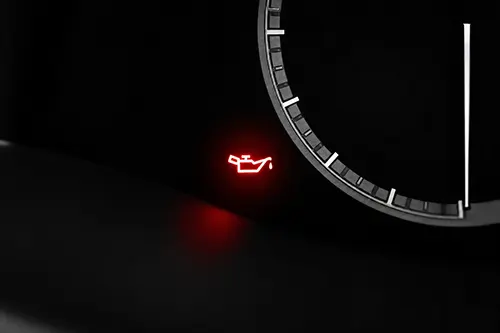
There are few sights more unsettling for an automotive enthusiast than that dreaded oil pressure warning light flickering on the dashboard, especially when it only shows up after the engine reaches operating temperature, and only at idle. You come back from a satisfying drive, pull into your driveway, and then catch it: a faint, intermittent flicker of the low oil pressure light as the engine settles into its hot idle. Your heart drops. Is your engine about to self‑destruct, or is this something a lot less sinister?
This specific symptom—an oil pressure light that flickers or glows dimly when the engine is hot and idling, but disappears the moment you raise the RPM—is one of the most common, and most misunderstood, warning signs in automotive diagnostics. The good news is that it does not automatically mean catastrophic engine failure. The bad news? Ignore it long enough, and it absolutely can turn into exactly that. In this guide, we'll break down the three primary suspects—faulty oil pressure sensor, thin or degraded oil, and worn main or rod bearings—along with a few other possible culprits. More importantly, you'll get a logical, step‑by‑step diagnostic sequence that any DIY mechanic can follow.
Understanding What the Oil Pressure Light Actually Tells You
Before getting into diagnostics, it's important to understand what that little red or yellow oil can symbol really means. Most production vehicles use a simple pressure switch rather than a true pressure gauge. That switch is calibrated to close, completing the circuit that illuminates the warning light, when oil pressure drops below a critical threshold—typically somewhere between 5 and 10 PSI (pounds per square inch), depending on the manufacturer. Some newer vehicles use a variable pressure sensor that communicates with the ECU, but the principle stays the same: the light is a binary warning of dangerously low pressure.
At hot idle, many healthy engines can show oil pressure as low as 10-15 PSI, especially with modern low‑viscosity oils. If your engine's normal hot idle pressure is, say, 12 PSI, and your pressure switch triggers at 8 PSI, then even a small drop from wear or thin oil can trigger that flicker. It is worth noting that the light going out when you raise RPM is actually encouraging. It tells you the oil pump can still build pressure, and the problem is probably tied to idle‑specific conditions.
The Three Main Suspects: A Quick Overview
- Faulty Oil Pressure Sensor/Switch: The electrical component itself may be failing, sending a false signal. This is the cheapest and easiest fix.
- Thin or Degraded Oil: Wrong viscosity, fuel dilution, or old, sheared‑down oil can become too thin at hot idle to maintain adequate pressure.
- Worn Engine Bearings: Excessive clearance in main or rod bearings allows pressurized oil to escape too easily, causing pressure to drop at low RPM.
Less common causes include a clogged oil pickup tube, a failing pressure relief valve in the oil pump, excessive oil leakage past worn piston rings (high blow‑by), or even a restricted oil filter. Still, the three above account for roughly 90% of hot‑idle flicker complaints.
Where to Start: The Professional Diagnostic Flow
As a seasoned wrench‑turner, I always follow a logical, non‑destructive path. You do not want to replace an oil pump or drop the oil pan to inspect bearings if the real issue is a $15 sensor or a bottle of the wrong oil. At first glance, the symptom can feel dramatic. Usually, though, the smart move is the simple one. Here’s the battle plan.
Step 1: Verify the Warning with a Mechanical Gauge
Never trust the dashboard light alone. The very first tool you should reach for is a mechanical oil pressure test gauge. These are inexpensive, often under $40, and easy to find at any well‑stocked auto parts store or online. Screw the gauge into the oil pressure sender port, usually near the oil filter housing or on the engine block. Warm the engine fully, then watch the pressure at idle and at 2500 RPM.
Compare your readings to manufacturer specifications. As a rough rule of thumb, most pushrod and overhead cam engines should have at least 10 PSI per 1000 RPM when hot, with idle pressure not below 5-10 PSI. If your mechanical gauge shows normal pressure (e.g., 15+ PSI at hot idle), the problem is almost certainly a faulty electrical sender or a wiring issue. If the gauge shows genuinely low pressure (e.g., 3-5 PSI or less), then you are dealing with a mechanical problem inside the engine or lubrication system. Simple as that.
| Mechanical Gauge Reading at Hot Idle | Likely Diagnosis | Next Action |
|---|---|---|
| Normal (above spec threshold) | Faulty sensor/wiring | Replace oil pressure sender; inspect connector |
| Borderline low (just below spec) | Thin oil, filter restriction, or early wear | Change oil and filter with correct viscosity; re-test |
| Dangerously low (0-5 PSI) | Worn bearings, failed pump, or pickup blockage | Perform further mechanical diagnosis (see Step 4) |
Step 2: Eliminate the Sensor and Wiring (The Easy Win)
If your mechanical gauge reads fine, you're probably in luck. On many vehicles, the oil pressure sender is a simple one‑wire switch that grounds through the threads. Corrosion, a loose connector, or a failing internal diaphragm can make the light flicker when nothing is actually wrong with pressure. Replace the sender with a quality OEM or equivalent unit. While you're there, inspect the electrical connector for melted insulation or frayed wires. A quick temporary test helps too: unplug the sender. The light should stay off, or come on solid depending on design. If the light still flickers with the sender unplugged, you’re chasing a short in the wiring harness.
I’ve personally solved countless “low oil pressure” complaints by cleaning the sender terminal or swapping in a new $12 switch. Always start here. No oil drain, no teardown, ten minutes of work. And really, who wants to dig into the bottom end over a bad sender?
Step 3: Assess the Oil Itself (Viscosity, Level, and Condition)
Oil is the lifeblood of your engine. When it gets too thin, hot idle pressure can drop fast. Common reasons for thin oil include the following:
- Wrong viscosity: Using 0W-20 in an engine that requires 10W-30 will result in lower hot pressure. Check your owner's manual and oil filler cap.
- Fuel dilution: Leaking injectors or excessive short‑trip driving can dump raw fuel into the crankcase, thinning the oil. Smell the dipstick—a strong gasoline odor is a red flag.
- Oil breakdown: Overextended oil change intervals cause the additives to deplete and the viscosity to shear down. If your oil is black, gritty, or smells burnt, change it immediately.
- Low oil level: Even one quart low can affect pressure, especially at idle. Check the dipstick on level ground with the engine off.
If you’re unsure about the oil’s history, perform an oil and filter change using the manufacturer’s recommended viscosity and a high‑quality filter. Skip the bargain‑bin filters; they can restrict flow. Then re‑test with your mechanical gauge. A surprising number of hot‑idle flicker cases disappear after a basic oil service. Pro tip: if you're in a warmer climate or have a high‑mileage engine, moving up one viscosity grade (e.g., from 5W-30 to 10W-40) can sometimes bring idle pressure back into a safer range, but never exceed what the engine design can safely circulate.
Step 4: When Bearings Become the Prime Suspect
If you've confirmed low pressure with a mechanical gauge, ruled out oil and filter issues, and replaced the sender, internal engine wear becomes the likely culprit. The most common source is excessive clearance in the main bearings, rod bearings, or camshaft bearings. As those bearings wear, the gap between the bearing shell and the journal grows. Pressurized oil escapes through that larger gap more easily, which drops pressure, especially at low RPM when the oil pump is turning slowly.
Additional telltale signs of worn bearings include a few classic clues:
- Deep knocking or rumbling noise: A rhythmic, low‑frequency knock that increases with engine load (rod knock) or a deeper thud (main bearing knock) often accompanies advanced bearing wear.
- Metallic glitter in the oil: Drain a small amount of oil into a clean container and shine a flashlight through it. If you see tiny metallic flakes, bearings are shedding material.
- Low pressure that worsens as oil heats up: Cold oil is thicker and masks bearing clearance; hot, thin oil exposes it mercilessly.
If you suspect bearing wear, the next step is a professional oil pressure test at various RPMs followed by an engine inspection. In some cases, dropping the oil pan and replacing bearing shells is possible with the engine in the vehicle, on certain engines. In others, a full rebuild or replacement engine is the only cure. What is important, though, is not to panic too early. Plenty of high‑mileage engines keep going for years with slightly low hot idle pressure as long as you avoid extended idling and run a slightly thicker oil.
Other Potential Culprits Not to Ignore
While sensor, oil, and bearings account for most cases, a few less common issues can produce the same symptom:
- Clogged Oil Pickup Screen: Sludge, silicone gasket material, or debris can partially block the oil pickup tube in the oil pan. At idle, the pump can't draw enough oil; at higher RPM, the increased suction pulls oil through. This requires removing the oil pan for inspection.
- Faulty Oil Pump Relief Valve: A stuck‑open pressure relief valve dumps oil back to the pan before it circulates, killing idle pressure. Rare, but possible.
- Excessively High Oil Level: Overfilling can cause the crankshaft to whip air into the oil, creating foam that the pump cannot pressurize. Ensure the oil level is between the marks.
- Worn Oil Pump Gears: Uncommon on most modern engines, but a high‑mileage pump can lose efficiency.
Diagnostic Roadmap Summary (Printable Checklist)
- Verify with mechanical gauge – If pressure is normal, replace sender. If low, proceed.
- Check oil level and condition – Top up or change oil/filter using correct viscosity.
- Re‑test hot idle pressure after oil change – If improved but still low, consider going one grade thicker (if climate permits).
- Inspect for bearing noises or metallic debris – If present, prepare for internal engine work.
- If all else fails, perform a pan drop – Inspect pickup tube and oil pump. Replace bearings if accessible.
Real‑World Example: A Case Study
I recently helped a friend with a 2005 Toyota Tacoma (2.7L 4‑cylinder). The oil pressure light flickered at hot idle but went out above 1200 RPM. He was convinced the engine was dying. We screwed in a mechanical gauge: hot idle pressure was 6 PSI (spec minimum is 4.3 PSI, so technically okay). But the light's threshold was set at 5 PSI, so any small fluctuation caused flickering. The oil was old 5W-30 with 7,000 miles on it. We changed to fresh 10W-30 (warm climate) and a quality filter. Hot idle pressure rose to 8 PSI. Flicker gone. Total cost: $35 in supplies and one hour of work. The truck is still running strong two years later.
That example illustrates the golden rule: do not jump to worst‑case conclusions. Methodical testing saves engines and wallets. It really does.
When to Seek Professional Help
If you've worked through these steps and still have genuine low pressure, confirmed by mechanical gauge, without obvious bearing noise or debris, it’s time to visit a trusted independent shop. They can run more advanced tests: connecting a lab‑grade pressure transducer, performing a cylinder leak‑down test to check for excessive blow‑by, or borescoping the oil pan. Ignore a verifiably low oil pressure condition and it will eventually lead to catastrophic bearing seizure, a spun bearing, or a thrown rod.
On the other hand, if you've proven the sensor or the oil was the issue, drive with confidence. Just keep an ear out for any new noises, and stick to a strict oil change schedule.
Preventive Measures for Long‑Term Health
- Use the right oil: Never guess. Follow the manufacturer's recommendation. For high‑mileage engines, consider high‑mileage formulas with seal conditioners.
- Change oil and filter on time: Severity of driving (towing, short trips, extreme temps) may require shorter intervals. Don’t stretch past 5,000-7,500 miles on conventional or synthetic blend.
- Install a real oil pressure gauge: If your vehicle only has a warning light, consider adding an aftermarket gauge. It gives you trend data and early warning before the light comes on.
- Avoid prolonged hot idling: Engines generate heat and thin oil with no airflow. If you need to idle for long periods (e.g., waiting in a car), occasionally raise RPM to 1500 for 10 seconds to increase flow.
- Perform regular oil analysis: For enthusiasts with older or valuable engines, a $30 oil analysis can detect bearing wear metals (lead, copper, tin) long before symptoms appear.
Final Thoughts: Don't Panic, But Don't Procrastinate
A flickering oil pressure light at hot idle is your engine’s way of whispering for help, not shouting. Most of the time, it points to a minor electrical gremlin or overdue maintenance. A small share of cases, though, really do point to bearing wear, and those can get catastrophic if you ignore them. The key is to work through a systematic process: mechanical gauge verification first, then rule out the simple and cheap stuff, and only after that move into internal diagnostics. That approach has saved my own cars, and plenty of customers’ engines too, from unnecessary teardowns.
So the next time you see that light flicker as you pull into your driveway, take a breath. Grab your test gauge, check the oil, and start with the sensor. Nine times out of ten, the fix is a small part or a fresh oil change. On the rare occasion that it really is bearings, you’ll have caught it early enough to plan a rebuild or replacement on your own terms, not on a tow truck at midnight.
Now go give your engine the care it deserves. Safe driving, and may your oil pressure always stay steady.