

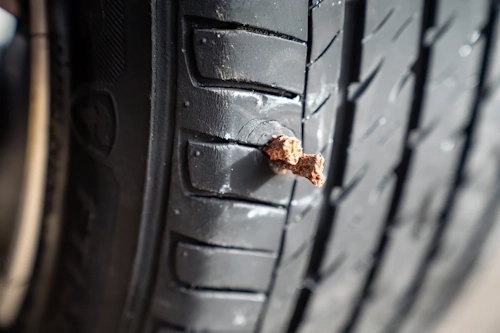
Experiencing a flat tire ranks among the most common and frustrating automotive mishaps. With millions of flats occurring annually in the U.S. alone, understanding proper repair techniques isn't just convenient - it's essential for vehicle safety. This comprehensive guide examines the two primary repair methods: tire plugs and tire patches, helping you make informed decisions when facing this inevitable driving dilemma.
Understanding Tire Plugs: The Quick-Fix Solution
A tire plug is a flexible, adhesive-coated rubber strand inserted directly into the puncture from the tire's exterior. This repair method requires minimal tools and can be completed without removing the tire from the rim, making it particularly valuable in roadside emergencies. Plugs work best for small punctures (typically less than ¼ inch in diameter) located squarely within the tread area where the rubber is thick enough to hold the plug securely.
Key Characteristics of Tire Plugs:
- Installation Time: 5-15 minutes
- Tools Required: Reaming tool, insertion tool, plug strips, rubber cement
- Best For: Small punctures in the tread center caused by nails, screws, or similar objects
- Longevity: Generally considered temporary (weeks to months)
Understanding Tire Patches: The Professional Repair
Unlike plugs, tire patches are applied to the tire's interior surface. This process requires removing the tire from the rim, thoroughly cleaning and preparing the damaged area, and bonding a rubber patch using specialized vulcanizing cement. Patches create a complete seal over the puncture area and are considered a more permanent solution by tire manufacturers.
Key Characteristics of Tire Patches:
- Installation Time: 30-60 minutes (including tire removal)
- Tools Required: Tire mounting machine, buffing tools, vulcanizing cement, patch kit
- Best For: Larger punctures (up to ¼ inch), longer-term solutions, professional repairs
- Longevity: Can last the remaining lifespan of the tire when properly installed
Critical Comparison: Plugs vs Patches
| Factor | Tire Plugs | Tire Patches |
|---|---|---|
| Installation Difficulty | Easy (DIY-friendly) | Difficult (requires professional equipment) |
| Repair Location | Exterior | Interior |
| Durability | Temporary (weeks to months) | Long-term (years or tire lifespan) |
| Tire Removal Required | No | Yes |
| Cost | $10-$20 (DIY kit) | $20-$50 (including professional labor) |
| Safety Considerations | Potential for slow leaks; not recommended for high-speed driving | Industry-approved method when combined with plug |
Safety First: When Repairs Are Not Recommended
Critical Safety Notice: Both plugs and patches are only appropriate for punctures in the central 75% of the tread area. Never attempt to repair sidewall damage, bulges, or punctures larger than ¼ inch. The National Highway Traffic Safety Administration (NHTSA) emphasizes that combination plug-patch repairs are the only proper method for safe tire repair.
Industry research and legal cases have demonstrated significant risks associated with improper repairs. Plug-only repairs can allow moisture infiltration that corrodes steel belts, potentially leading to tread separation at highway speeds. Similarly, patch-only repairs may allow air leakage through the injury channel. These risks have resulted in multimillion-dollar verdicts against repair shops that used improper methods.
Professional vs DIY Repair: Making the Right Choice
While DIY plug kits provide valuable roadside solutions, professional inspection is always recommended afterward. Tire shops have the equipment to:
- Inspect for internal damage invisible from outside
- Properly prepare the tire surface for optimal bonding
- Install combination plug-patch units that seal both the inner liner and injury channel
- Assess whether replacement is safer than repair
As highlighted in multiple industry sources, professional repairs typically take only 20-30 minutes and cost between $15-$50, making them a worthwhile investment for safety.
Recommended Repair Products
For Emergency Repairs
Heavy-Duty Tire Plug Kit: Contains 30+ plug strings, insertion tools, reamer, and rubber cement. Ideal for vehicle emergency kits. Features industrial-strength tools for reliable roadside repairs.
For Professional-Grade Results
Rubber Patch Kit with Vulcanizing Cement: Includes multiple patches, buffing tools, and chemical preparation solutions. Designed for proper internal repairs when combined with plug stems.
Tire Maintenance Essentials
Digital Tire Gauge & Portable Compressor: Accurate pressure monitoring prevents 75% of roadside flats caused by underinflation. Automatic shutoff compressors ensure proper inflation after repairs.
Step-by-Step: When to Choose Each Method
When to Use a Tire Plug:
- Roadside emergencies with small punctures
- When temporary repair is needed to reach a service facility
- Off-road situations where professional help is unavailable
- Tires near replacement age anyway
When to Use a Tire Patch (or Combination):
- Punctures in relatively new tires
- Larger punctures up to ¼ inch diameter
- When seeking permanent, manufacturer-approved repairs
- For tires that will experience highway driving or heavy loads
Industry Standards and Best Practices
The Rubber Manufacturers Association (RMA) establishes clear guidelines for proper tire repair:
- Always remove the tire from the rim for internal inspection
- Repairs must seal the inner liner AND fill the injury channel
- Only the central tread area is repairable (never sidewalls)
- Punctures larger than ¼ inch require tire replacement
- Multiple punctures close together disqualify a tire from repair
These standards specifically require combination plug-patch units that address both sealing functions in one component. Major tire manufacturers void warranties for plug-only repairs due to safety concerns.
Conclusion: Safety as the Driving Factor
While tire plugs offer invaluable temporary solutions in emergencies, combination plug-patch repairs represent the only industry-approved permanent solution. Understanding this distinction could prevent catastrophic tire failures. Always:
- Use plugs strictly as temporary solutions
- Seek professional inspection after any DIY repair
- Never repair sidewall damage or excessively large punctures
- Monitor repaired tires for pressure loss or abnormal wear
- When in doubt, replace rather than repair
Your tires form the critical connection between your vehicle and the road. By choosing repair methods that prioritize safety over mere convenience, you ensure this connection remains secure through thousands of miles ahead.