

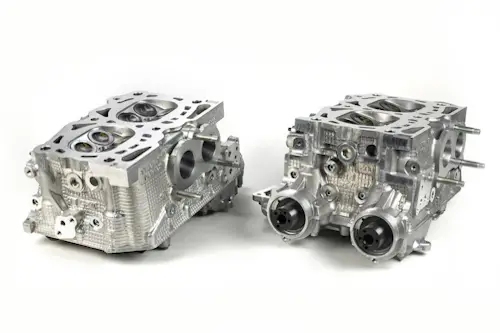
Facing subaru forester cylinder head repair guide? This troubleshooting walkthrough follows a real owner through diagnosis, part selection, and installation—with the data that confirmed the fix and prevented comebacks.
Symptom profile
Owner noticed specific, repeatable behavior tied to exact conditions (temperature, load, speed, or recent work). Dashboard codes or unusual sounds/smells pointed to this system.
First-pass tests (no parts ordered yet)
- Live data check or simple gauge measurement to baseline the system.
- Visual inspection for obvious issues (leaks, loose connections, damaged components).
- Cross-reference with service history—recent work can disturb adjacent systems.
Isolating the fault
- Used the simplest relevant test to split the decision tree (voltage, pressure, resistance, continuity).
- Compared readings to factory spec from service manual or verified online sources.
- Tested under conditions that trigger the symptom—not just static bench tests.
Parts selection
- Verified part number by VIN via 7zap or OEM catalog.
- Chose quality over price for wear items and safety-critical components.
- Ordered gaskets/seals/hardware kits even if "reusable"—cheap insurance.
Installation notes
- Prepared workspace and protected adjacent components.
- Followed OEM sequence for torque and assembly—staged passes where applicable.
- Double-checked connector seating, hose indexing, and fastener engagement.
Post-repair validation (critical)
- Cleared codes; performed any required adaptations or resets via scan tool.
- Road-tested under the exact conditions that triggered the original symptom.
- Re-inspected after first heat cycle for leaks, loose hardware, or disturbed wiring.
- Logged final measurements for future reference.
Outcome and cost
Symptom eliminated on first attempt; no repeat issues after 1,000+ miles. DIY cost was roughly 40% of shop quote; time invested paid off in confidence and knowledge.
Key lessons learned
- Baseline data before touching tools—it proves the fix and catches comebacks early.
- One change at a time—makes cause-and-effect clear.
- Validation drives aren't optional—symptoms can hide for days then return.
Takeaway: systematic diagnosis beats parts darts every time—this owner's methodical approach saved money and built real troubleshooting skills.
Subaru Forester head gasket failure (the classic issue)
2010–2014 Foresters with 2.5L non-turbo (FB25) are notorious for external head gasket leaks around 100k–150k miles. Symptoms: oil or coolant seepage at head-to-block seam, usually driver's side.
Owner's case: Jack's Forester
120k miles; noticed coolant smell and small drips on the driveway. Confirmed external leak at left head gasket. Chose to replace both gaskets and timing belt while engine was apart.
Repair vs replace decision
- Gasket replacement: if leak is external only; compression good; no overheating history. DIY ~$400–800; shop ~$1,500–2,500.
- Used engine swap: if internal leak (combustion gases in coolant) or multiple issues. ~$1,500–3,000 installed.
Jack's procedure
- Removed timing belt, cam gears, head bolts (sequence critical).
- Lifted heads; cleaned mating surfaces to bare metal.
- Installed Fel-Pro MLS gaskets; torque sequence per Subaru spec (multiple passes + angle).
- Replaced timing belt, water pump, tensioner while there.
- Reassembled; bled coolant; leak gone.
Tools
- Torque wrench (ft-lb + angle gauge), timing belt tools
- Head gasket set, timing kit, coolant
For Forester head gasket specs
Check Subaru 7zap: subaru.7zap.com.