

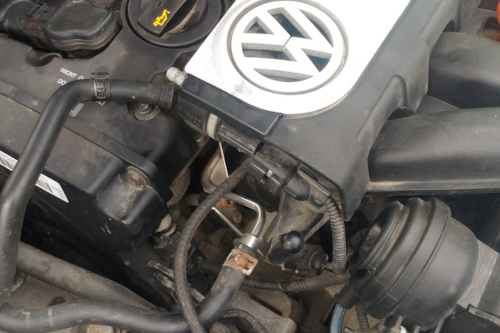
Chasing a lean code or a stubborn HVAC mode? On the B6 Passat 2.0 TFSI, a couple of vacuum junctions and lines are usual culprits. Here’s how to read the diagram, test the system, and fix the leak without guesswork.
What you’ll tackle on Passat B6 2.0 TFSI
This guide is specific to this platform—fastener locations, hose routing and connector styles. No generic talk, just what matters for your car.
When it’s the right time
- Relevant fault codes or unstable idle/shift quality
- Hiss/whistle, hard brake pedal, or vacuum-controlled features misbehaving
- After related work (intake/PCV/EVAP/trans service) and new symptoms appear
- Visual cracks, flattened seals, or fluid traces near joints
Tools and parts that actually help
- Metric socket set with extensions, low-profile ratchet
- Torque wrench (in‑lb/ft‑lb), plastic trim tools, picks
- Cleaner (sensor‑safe), lint‑free rags, dielectric grease
- VIN‑matched parts via 7zap: diagrams & numbers – volkswagen.7zap.com
Vacuum Diagrams: Diagnosis & Repair: step by step on this platform
1) Prep
Disconnect the battery if the OEM procedure calls for it. Photograph routing and label quick‑connects; have caps ready to keep debris out.
2) Access
Remove covers/ducts and unclip harnesses where this model hides them; keep hardware mapped by position.
3) Core work
Follow OEM order and torque stages (center‑out cross pattern where applicable). Avoid levering on plastic castings and seals.
4) Reassembly
Reverse order; verify connector clicks and line alignment by color/index marks. Torque to spec—no over‑tightening in plastic/aluminum.
5) Validate
Clear codes, run adaptation if required, and road‑test. Confirm trims/pressures/shift quality are back to normal and no leaks/noises remain.
Troubleshooting if something’s off
- New whistle or lean trims: re‑seat seals and smoke‑test joints
- Recurrent codes: inspect grounds/connectors and hose indexing
- Fluid/air leaks: replace nicked O‑rings; clean mating surfaces
Quick references
- 7zap brand catalog: volkswagen.7zap.com
- OEM service info for VIN‑specific torque and sequences