

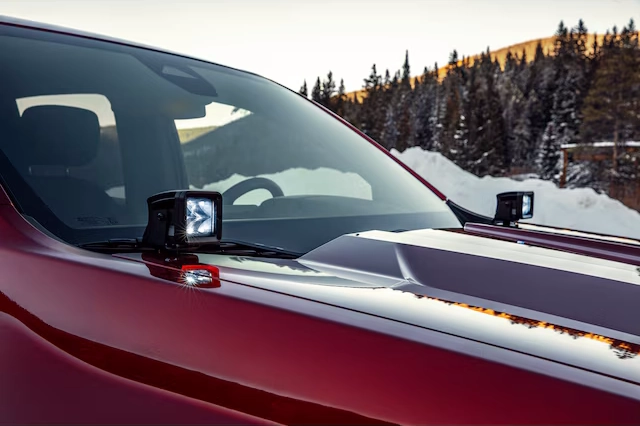
Auxiliary lighting has become an essential upgrade for off-road enthusiasts. Whether you are navigating muddy trails, crossing forests at night, or preparing your 4x4 for overlanding, additional lighting ensures safety and visibility. However, before installing a powerful LED bar or a set of spotlights, it is crucial to understand the types of lighting available, the installation process, and—most importantly—the legal regulations that apply to your country or region.
Why Auxiliary Lighting Matters
Standard vehicle headlights are designed primarily for paved roads. They provide adequate forward illumination but fall short when it comes to extreme off-road conditions. Auxiliary lighting fills these gaps:
- Spotlights: Concentrated beams that project light far ahead, ideal for high-speed off-road driving.
- Floodlights: Wide beam spread to illuminate the surroundings, perfect for technical trails and campsites.
- LED Light Bars: A combination of flood and spot patterns, mounted on the roof or bumper.
- Work Lights: Smaller units used for close-range illumination, often mounted at the rear.
Legal Considerations
One of the most important aspects of auxiliary lighting is compliance with local regulations. Laws differ across regions:
- Visibility restrictions: In many jurisdictions, off-road lights must be covered while driving on public roads.
- Color regulations: White or yellow is typically permitted; blue and red are reserved for emergency vehicles.
- Height and placement: Some countries limit mounting height to prevent glare for other drivers.
- Intensity limits: Light output may not exceed specific lumen levels on public roads.
Before installation, check your national highway code or motor vehicle authority’s guidelines. Improper use can result in fines or vehicle inspection failures.
Choosing the Right Auxiliary Lights
When selecting auxiliary lights, consider the following factors:
- Light Output (Lumens): Higher lumen values mean brighter lights, but also higher energy consumption.
- Beam Pattern: Decide between spot, flood, or combo beams depending on terrain.
- Durability: Off-road conditions demand IP67 or IP68 waterproof ratings and shock resistance.
- Power Consumption: Ensure your alternator and battery can handle the load.
- Brand and Certification: Reputable manufacturers provide E-mark or DOT certification for road legality.
How to Install Auxiliary Lighting
Step-by-Step Guide to Installing an Auxiliary Light Bar
Step 1: Choose a Mounting Location
Common spots include the front bumper, roof rack, or bull bar. Ensure the location does not obstruct airflow to the radiator or driver visibility.
Step 2: Install the Bracket
Use heavy-duty brackets that can withstand vibration. Drill carefully if needed, and apply rust protection to exposed metal surfaces.
Step 3: Wire the Lights
Connect the light bar using a relay, an inline fuse, and appropriate gauge wiring. This prevents electrical overload and fire hazards.
Step 4: Add a Switch in the Cabin
Route the switch wiring into the cabin and mount it within easy reach of the driver. Ensure waterproofing if the vehicle is frequently exposed to moisture.
Step 5: Test the System
Switch on the auxiliary lights to verify brightness, alignment, and switch responsiveness. Adjust beam angle to minimize glare.
Common Mistakes to Avoid
- Installing lights too high, which can cause glare and attract fines.
- Skipping the use of relays, leading to overheated wiring.
- Failing to waterproof connections, resulting in corrosion.
- Using non-certified lights on public roads, risking legality issues.
Conclusion
Auxiliary lighting is a practical and often necessary addition for serious off-road driving. However, it comes with responsibility: understanding the legal framework, selecting durable and efficient equipment, and installing it safely. Done correctly, it enhances not only visibility but also the safety and enjoyment of every off-road adventure.