

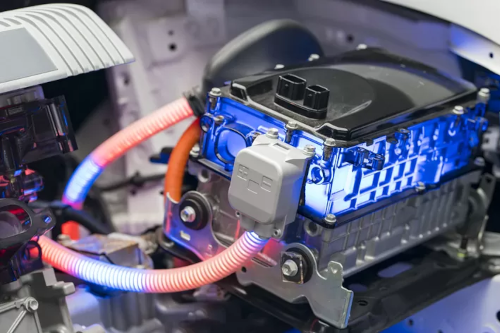
Hybrid Vehicles: Technology, Benefits, and Maintenance Guide
In this comprehensive guide, we'll explore the essential concepts, working principles, and practical applications of hybrid vehicles. Whether you're a professional mechanic, automotive enthusiast, or car owner looking to understand your vehicle better, this article will provide valuable insights and actionable information.
Understanding the Basics
What is Hybrid Vehicles?
Hybrid Vehicles represents a crucial aspect of modern automotive technology and maintenance. Understanding how it works and how to properly maintain it can significantly improve your vehicle's performance, reliability, and longevity.
Key Components and Features
- Performance Enhancement: Improved efficiency and power output
- Reliability: Enhanced durability and reduced maintenance needs
- Safety: Better control and stability features
- Cost Effectiveness: Long-term savings through proper maintenance
How It Works
The fundamental principles behind hybrid vehicles involve several interconnected systems working together to achieve optimal performance. Understanding these relationships is essential for proper diagnosis, maintenance, and repair.
Step-by-Step Process
- Initial Assessment: Evaluate the current condition and identify potential issues
- Preparation: Gather necessary tools and materials
- Implementation: Follow proper procedures for installation or maintenance
- Testing: Verify that everything is working correctly
- Final Inspection: Ensure quality and safety standards are met
Common Issues and Troubleshooting
Typical Problems
Like any automotive system, hybrid vehicles can experience various issues over time. Common problems include:
- Wear and tear from normal usage
- Environmental factors affecting performance
- Improper maintenance leading to premature failure
- Manufacturing defects or design limitations
Diagnostic Procedures
Proper diagnosis is crucial for effective repair. Follow these steps:
- Visual inspection for obvious signs of damage
- Functional testing to identify performance issues
- Measurement and comparison with specifications
- Documentation of findings for future reference
Maintenance and Care
Regular Maintenance Schedule
To ensure optimal performance and longevity, follow these maintenance guidelines:
- Daily Checks: Basic visual inspection and fluid levels
- Weekly Maintenance: More detailed inspection of key components
- Monthly Service: Comprehensive check and minor adjustments
- Annual Overhaul: Complete system inspection and major service
Best Practices
- Use Quality Parts: Always choose OEM or high-quality aftermarket components
- Follow Procedures: Adhere to manufacturer specifications and torque values
- Keep Records: Maintain detailed service history for future reference
- Professional Service: Consult certified technicians for complex issues
Tools and Equipment
Essential Tools
Having the right tools is essential for proper maintenance and repair:
- Basic hand tools (wrenches, sockets, screwdrivers)
- Specialized automotive tools for specific tasks
- Diagnostic equipment for electronic systems
- Safety equipment (gloves, eye protection, proper clothing)
Advanced Equipment
For professional-level work, consider investing in:
- Digital multimeters and oscilloscopes
- Specialized diagnostic scanners
- Precision measuring instruments
- Professional-grade lifting equipment
Safety Considerations
Working with automotive systems requires strict adherence to safety protocols:
- Always disconnect the battery before working on electrical systems
- Use proper lifting equipment and safety stands
- Wear appropriate personal protective equipment
- Work in well-ventilated areas when dealing with chemicals
- Follow lockout/tagout procedures for moving parts
Cost Considerations
Budget Planning
Understanding the costs involved helps in planning maintenance and repairs:
- Preventive Maintenance: Regular service to avoid major repairs
- Replacement Parts: Quality components vs. budget alternatives
- Labor Costs: DIY vs. professional service considerations
- Long-term Value: Investment in quality vs. short-term savings
When to Seek Professional Help
While many maintenance tasks can be performed by knowledgeable DIY enthusiasts, certain situations require professional expertise:
- Complex diagnostic procedures requiring specialized equipment
- Safety-critical systems that affect vehicle operation
- Warranty-related work that must be performed by certified technicians
- Advanced electronic systems requiring programming or calibration
Conclusion
Hybrid Vehicles is an essential aspect of modern automotive technology that requires proper understanding, maintenance, and care. By following the guidelines and best practices outlined in this article, you can ensure optimal performance, reliability, and safety for your vehicle.
Remember that regular maintenance and proper care are investments in your vehicle's future. Taking the time to understand how hybrid vehicles works and how to maintain it properly will save you time, money, and frustration in the long run.