

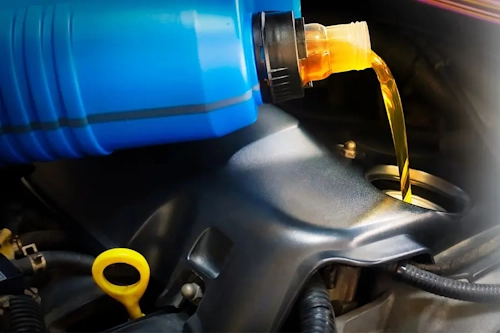
Oil additives have been around for decades and remain one of the most debated topics among car owners, mechanics, and automotive engineers. While some drivers swear by them, others consider them a waste of money or even harmful to modern engines. This article explores what oil additives are, how they work, the results of independent tests, and the opinions of professional mechanics.
What Are Oil Additives?
Oil additives are chemical compounds designed to enhance the performance of engine oil. Motor oils already contain factory-formulated additive packages, but aftermarket products claim to boost specific properties such as friction reduction, cleaning ability, or viscosity stability. Common types of oil additives include:
- Detergents and dispersants – keep engine parts clean by preventing sludge buildup.
- Anti-wear agents – protect engine surfaces from metal-to-metal contact.
- Viscosity modifiers – help oil maintain optimal thickness under different temperatures.
- Friction modifiers – reduce resistance and improve fuel economy.
- Seal conditioners – rejuvenate rubber seals and reduce oil leaks.
Do They Really Work? Insights from Tests
Several independent laboratories and automotive magazines have tested popular oil additives. The results are mixed:
- Some friction-reducing additives showed measurable improvements in wear protection during bench tests.
- Certain cleaning additives helped dissolve deposits in older, neglected engines.
- Seal conditioners reduced minor leaks in engines with hardened gaskets.
- However, many additives showed no significant benefits compared to using high-quality synthetic oil alone.
It’s important to note that modern motor oils already contain highly advanced additive packages tailored by engineers. Adding aftermarket products sometimes duplicates or interferes with these chemicals, leading to unpredictable results.
When Mechanics Recommend Additives
Professional mechanics typically do not recommend oil additives for every vehicle. Instead, they suggest specific cases where additives might provide benefits:
- Older, high-mileage engines – Additives can help reduce oil consumption, leaks, and noise.
- Engines with minor leaks – Seal conditioners may temporarily slow down the loss of oil.
- Vehicles operating in extreme conditions – Heavy-duty trucks or racing cars may benefit from friction modifiers or stabilizers.
- Engines with sludge issues – Detergent-based additives can assist in cleaning, though they should be used carefully.
When Additives Are Unnecessary or Risky
Mechanics also emphasize that additives are not a magic solution. They are unnecessary or even harmful in the following cases:
- New cars under warranty – Manufacturer-approved oils already meet strict standards; adding aftermarket chemicals may void warranty.
- Modern synthetic oils – These oils already contain advanced additives in optimal ratios.
- Unproven products – Some additives marketed as “miracle cures” lack scientific evidence.
Expert Opinions
In surveys conducted among automotive workshops, most mechanics agree that while additives can help in special circumstances, routine oil changes with high-quality oil are far more important for engine health. Mechanics also caution that overusing additives or mixing multiple products can upset the oil chemistry and lead to costly engine damage.
How to Use Oil Additives Safely
Step-by-Step: Adding Oil Additives
If you decide to use an oil additive, follow these steps to reduce risks and maximize potential benefits.
- Read your vehicle’s manual and check if additives are discouraged by the manufacturer.
- Choose a product from a reputable brand with clear technical documentation.
- Add the additive when performing an oil change, pouring it after the fresh oil has been added.
- Follow the dosage instructions exactly — avoid using more than recommended.
- Monitor the engine for changes in noise, leaks, or performance after several hundred kilometers.