

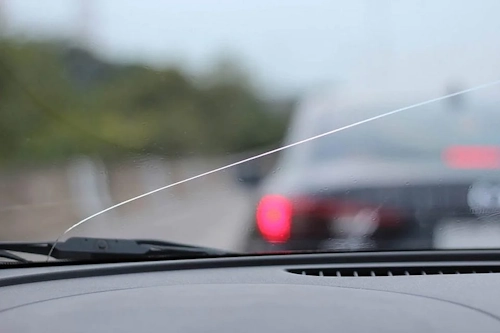
Why Your Windshield Matters More Than You Think
Your vehicle's windshield is a critical safety component, not just a piece of glass. It provides structural integrity, supports airbag deployment, and prevents roof collapse in rollovers. Damage compromises these functions, making timely repair essential.
Common Types of Windshield Damage
Understanding the type of damage is the first step toward proper repair:
- Bull’s-Eye Chip: Circular damage with a clear impact point, often caused by rocks or debris.
- Half-Moon Chip: A semi-circular break similar to a bull’s-eye but with a partial shape.
Note: Cracks extending from chips often require replacement rather than repair.
When Can You Repair vs. Replace?
Not all damage is equal. Here’s when repair is feasible:
- Size: Chips smaller than 40mm (about the size of a quarter) can often be repaired. Cracks longer than a dollar bill typically require replacement.
- Location: Damage outside the driver’s direct line of vision is repairable. Edge cracks often compromise structural integrity, necessitating replacement.
Attempting to repair complex or large damage can weaken the glass and create safety risks.
Professional Windshield Repair Methods
Professionals typically use two primary methods:
- Resin Injection: The most common method. A special resin is injected into the crack or chip, then cured with UV light to restore strength and clarity.
- Drill-and-Fill Technique: For deeper cracks, a small drill may be used to access the damage before resin injection.
These methods restore up to 90-95% of the original strength and prevent further spreading.
The DIY Approach: Kits and Limitations
DIY kits are available but come with limitations:
- Patch Kits: These provide a temporary film covering but don’t strengthen the glass or penetrate the damage deeply.
- Resin Kits: Better than patches but often yield inferior results compared to professional tools due to weaker resin and lack of precision.
Warning: DIY repairs may void insurance claims or worsen damage if incorrectly applied.
Why Immediate Action is Non-Negotiable
Ignoring small chips can lead to:
- Spreading Cracks: Temperature changes, road vibrations, or stress can turn a minor chip into a major crack.
- Safety Risks: Compromised visibility and structural weakness increase accident risks.
- Higher Costs: A repairable chip can evolve into a replacement-only crack, costing significantly more.
The Replacement Option: When and How
Replacement becomes necessary when:
- Damage is too large, deep, or located in critical areas.
- The windshield has multiple chips or previous repairs.
Professional replacement ensures proper sealing, calibration of sensors, and structural integrity. Modern vehicles often require recalibration of ADAS (Advanced Driver Assistance Systems) after replacement.
Insurance and Cost Considerations
Many insurance policies cover windshield repair or replacement:
- Comprehensive coverage often includes glass repair without deductibles.
- Choose repair shops with insurance ties for streamlined claims.
Always document damage with photos before repair for insurance purposes.
Step-by-Step Guide to Addressing Windshield Damage
- Assess the Damage: Measure size, check location, and note depth.
- Consult a Professional: Get a free evaluation from a certified technician.
- Choose Repair or Replacement: Based on technical recommendations, not cost alone.
- Verify Quality: Ensure OEM or equivalent glass is used for replacements.
- Follow Aftercare Instructions: Avoid car washes and harsh chemicals for 24–48 hours after repair/replacement.
Conclusion: Safety First, Always
Your windshield is a lifeline. Prompt attention to damage ensures optimal visibility, structural safety, and cost-effectiveness. When in doubt, consult a certified auto glass specialist to make an informed decision between repair and replacement.
Additional Resources
- How to identify hidden windshield damage
- The role of windshields in ADAS calibration
- Seasonal maintenance tips for auto glass