

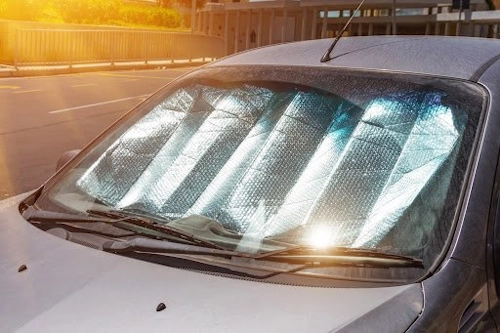
Why Sun Protection Matters for Your Vehicle
Sunshades and visors are no longer optional accessories—they’re essential for protecting your car’s interior from UV damage, reducing heat buildup, and enhancing driving comfort. In 2025, advancements in materials and design have made these products more effective than ever. Let’s explore the top options and expert tips for making the right choice.
Types of Car Sun Protection
1. Built-in Sun Visors
These are permanent fixtures in your vehicle, typically mounted near the windshield. Modern upgrades include:
- Visor Organizers: Add storage pockets to existing visors (e.g., Body Glove Visor Organizer with mesh netting).
- Polarized Extenders: Reduce glare during night driving (e.g., Veharvim Polarized Sun Visor).
2. Windshield Sunshades
Designed for parked cars, these foldable or retractable shields block heat and UV rays. Key styles include:
- Custom-fit Shades: Tailored to your windshield shape (e.g., Covercraft UVS100 with foam core).
- Universal Shades: Adjustable designs like the ProElite Heavy Duty Fabric Sunshade
- Umbrella-style: Compact options like the CarCovers.com Platinum Sunshade Umbrella
Top 5 Sunshades of
| Product | Key Features | Price Range |
|---|---|---|
| WeatherTech Sunshade | Roll-up design, reversible for winter frost prevention | $65–$75 |
| Covercraft UVS100 | Triple-laminated foam core, premium fit | $80–$90 |
| EcoNour Reflective Shade | 240T polyester, 40°F temperature reduction | $20–$30 |
| AutoTech Zone Budget Shade | Lightweight aluminum, basic UV protection | $25–$35 |
| SEINECA Retractable Shade | 4-layer thermal insulation, adjustable suction cups | $25–$30 |
How to Choose the Right Sunshade
Material Matters
- Reflective Aluminum: Best for heat rejection (e.g., Bluelans Aluminum Shade).
- Bubble Insulation: Combines reflection and insulation (e.g., ProElite Heavy Duty).
- Polyester/Nylon: Lightweight but less durable.
Color and UV Protection
Silver and metallic shades reflect up to 99% of UV rays, while darker colors like black prioritize privacy but absorb more heat.
Fit and Installation
Measure your windshield before purchasing. For gaps, use suction cups (e.g., SEINECA’s upgraded suction design) or DIY trimming methods.
DIY Custom Sunshade Tutorial
- Create a Template: Use butcher paper to trace your windshield’s shape.
- Trim a Universal Shade: Cut along the template edges for a snug fit.
- Test and Adjust: Ensure no buckling or gaps remain.
Common Pitfalls to Avoid
- Cheap Materials: Paper-thin shades tear easily (e.g., low-rated Bluelans model).
- Poor Suction Cups: Opt for thickened designs like SEINECA’s.
- Illegal Visor Extenders: Check local laws before installing.
Frequently Asked Questions
Q: Are sunshades worth the investment?
A: Yes—they reduce interior temperatures by up to 40°F and prevent upholstery fading.
Q: Can I use a sunshade in winter?
A: Some reversible shades (e.g., WeatherTech) double as frost blockers.
Q: How do I clean my sunshade?
A: Wipe with a damp cloth; avoid abrasive cleaners.
Final Thoughts
Choosing the right sun protection for your car involves balancing reflectivity, durability, and fit. Whether you opt for a premium custom shade or a budget-friendly DIY project, prioritizing UV protection will extend your vehicle’s lifespan and enhance comfort. For more insights, explore our recommended products and tutorials above.