

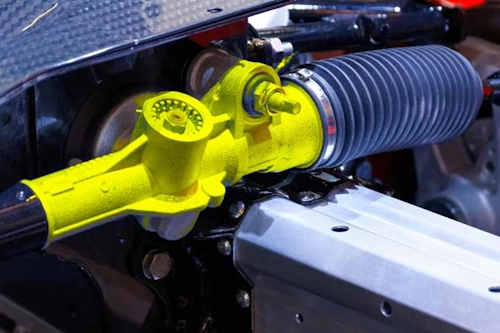
The rack and pinion steering system is a critical component in most modern vehicles, translating the rotational input from the steering wheel into linear motion that turns your vehicle’s wheels. When this mechanism begins to fail, it not only affects drivability but can pose a serious safety risk. This article explores the early warning signs of rack and pinion failure, diagnostic techniques, repair options, and preventative maintenance.
What is a Rack and Pinion Steering System?
A rack and pinion system consists of a circular gear (the pinion) connected to the steering shaft, and a linear gear (the rack) that moves left or right depending on input. When you turn the wheel, the pinion rotates and moves the rack, which pushes or pulls the tie rods connected to the wheels. Some systems include power-assisted mechanisms via hydraulic (power steering pump) or electric (EPS) systems.
Common Symptoms of a Failing Rack and Pinion
- Steering wheel feels loose or has excessive play
- Unusual noise when turning (clunking, knocking, or grinding)
- Fluid leaks near the steering rack — often red or brown hydraulic fluid
- Uneven or accelerated tire wear due to misalignment
- Steering feels heavy or stiff, especially at low speeds
- Vehicle pulls to one side even with proper alignment
- Steering wheel does not return to center after a turn
Expert tip: “If your vehicle has electric power steering and you notice intermittent assist failure, the issue may be in the electric motor or control module, not the rack itself — but it’s still part of the integrated rack and pinion assembly.”
Diagnostic Table: Rack and Pinion vs. Other Steering Problems
| Symptom | Likely Cause | Diagnostic Tip |
|---|---|---|
| Fluid leak under vehicle (front center) | Leaking rack seals | Inspect boots for fluid accumulation |
| Steering feels loose | Worn inner tie rods or pinion gear | Test tie rod play with vehicle lifted |
| Hard to steer when cold | Sticky steering valve or frozen fluid | Check for power steering fluid viscosity |
| Steering binds mid-turn | Gear tooth wear or bent rack | Check for consistent resistance |
Technical Overview: Rack Construction and Failure Modes
Modern rack and pinion systems follow SAE J1703 standards, especially those integrated with hydraulic assist. Key failure areas include:
- Rack seals: Deteriorate over time, leading to hydraulic leaks
- Pinion gear wear: Causes backlash and vague steering
- Inner tie rod joints: Allow excessive movement, impacting alignment
- Steering boot damage: Allows debris to enter and wear rack teeth
In electric systems, failures can also originate from the EPS motor, torque sensor, or control module, which are often integrated into the rack assembly.
Step-by-Step Inspection Procedure
- Raise the vehicle on jack stands and remove the front wheels.
- Inspect steering rack boots for tears or fluid seepage.
- Check for play in tie rods by moving them laterally — there should be minimal movement.
- Turn the steering wheel back and forth while observing the rack and pinion — listen for abnormal noises.
- Check for leaks around the input shaft and rack ends. Use a UV dye and blacklight for precision.
- Test drive the vehicle and observe steering response, noise, and return-to-center behavior.
Rack and Pinion Fluid Systems
Hydraulic systems rely on power steering fluid to operate under pressure (typically 1,000–1,500 psi). The most common fluid types include:
- ATF (Dexron III/Mercon): Used in older systems
- OEM-specific hydraulic fluid: VW G004000M2, Pentosin CHF 11S, etc.
Contaminated or low fluid leads to steering assist failure and premature rack wear.
Brake System Analogy: Why This Matters
Much like brake fluid inspection ensures pedal firmness, maintaining proper power steering fluid prevents steering assist fade. Just as DOT 4 vs DOT 5 can affect compressibility and performance in brakes, so too can fluid type impact steering feel and rack life.
Repair or Replace? Cost and Decision Factors
| Option | Typical Cost (US) | Pros | Cons |
|---|---|---|---|
| Rebuild Rack | $300–$600 | Lower cost, reuse original housing | Labor intensive, not DIY-friendly |
| Remanufactured Rack | $500–$1,000 | Factory-tested, warranty included | Core charge applies |
| Brand New Rack | $800–$1,500 | OEM quality, long life | High cost |
DIY Replacement Considerations
- Disconnect battery (especially EPS racks)
- Drain power steering fluid to avoid contamination
- Mark steering shaft position before disassembly
- Torque bolts per manufacturer specs (usually 75–90 Nm)
- Bleed system after installation to remove air (similar to brake fluid bleeding)
Preventative Maintenance and Best Practices
Extending the life of your rack and pinion system requires attention to the following:
- Replace power steering fluid every 60,000–100,000 km (fluid replacement interval)
- Use only correct fluid type — mixing incompatible fluids can damage seals
- Inspect boots and tie rods annually
- Avoid full-lock turns held under power — stresses pump and rack
Diagnosing Related System Failures
| Symptom | Possibly Related Component |
|---|---|
| Pulsation in steering wheel | Power steering pump |
| Clicking noise while turning | CV joint or outer tie rod |
| ABS light with steering codes | Steering angle sensor (part of EPS) |
Conclusion
Identifying signs of a failing rack and pinion early can prevent hazardous driving conditions and more expensive repairs down the road. Regular fluid checks, attention to symptoms of contaminated brake fluid-like steering behaviors, and proactive maintenance go a long way in preserving the integrity of your steering system.
Whether you’re a DIYer or leaving the work to a professional, understanding how this vital component functions — and fails — is essential to keeping your vehicle safe and responsive on the road.