

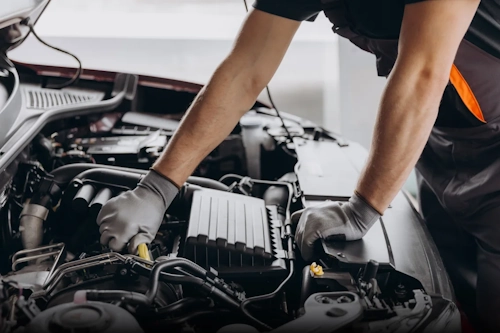
Every car has a recommended service schedule that defines when different maintenance parts (also called consumables) need to be inspected or replaced. Following this schedule helps extend the life of the vehicle, reduces the risk of unexpected breakdowns, and ensures optimal performance. Below is a detailed guide with a mileage-based table, followed by explanations and a practical FAQ.
Why Maintenance Intervals Matter
Ignoring replacement intervals can lead to costly repairs. For example, skipping a timing belt replacement may result in engine damage, while driving with old brake fluid reduces braking efficiency. Car manufacturers design intervals based on wear patterns, material lifespan, and safety standards, so they are not arbitrary but rather essential for reliability and safety.
Maintenance Schedule Table by Mileage
| Component | Interval (km) | Interval (miles) | Notes |
|---|---|---|---|
| Engine Oil & Oil Filter | 10,000–15,000 | 6,000–9,000 | Replace annually if mileage is low |
| Air Filter | 20,000–30,000 | 12,000–18,000 | Replace sooner in dusty areas |
| Cabin (Pollen) Filter | 15,000–20,000 | 9,000–12,000 | Replace annually for clean air |
| Spark Plugs | 30,000–60,000 | 18,000–37,000 | Iridium/Platinum plugs last longer |
| Brake Pads | 25,000–50,000 | 15,000–31,000 | Depends on driving style |
| Brake Discs | 60,000–80,000 | 37,000–50,000 | Check for wear and cracks |
| Brake Fluid | Every 2 years | — | Moisture absorption reduces efficiency |
| Coolant (Antifreeze) | Every 3–4 years | — | Check freezing/boiling point regularly |
| Timing Belt | 60,000–100,000 | 37,000–62,000 | Critical replacement to avoid engine damage |
| Fuel Filter | 40,000–60,000 | 25,000–37,000 | Diesel engines require shorter intervals |
| Transmission Oil (Manual) | 60,000–80,000 | 37,000–50,000 | Often overlooked, but critical |
| Transmission Oil (Automatic) | 50,000–70,000 | 31,000–43,000 | Change with filter if applicable |
| Drive Belts (Auxiliary) | 40,000–70,000 | 25,000–43,000 | Inspect for cracks regularly |
| Tires | 40,000–60,000 | 25,000–37,000 | Rotate every 10,000 km |
| Wiper Blades | 12 months | — | Replace at the first sign of streaking |
Step-by-Step: How to Follow a Maintenance Schedule
How to Keep Up With Your Car's Service Intervals
Step 1: Check the Owner’s Manual
Review the maintenance schedule provided by the manufacturer. It includes precise intervals tailored to your engine and vehicle type.
Step 2: Track Mileage
Keep a logbook or use a mobile app to record mileage at each service. This helps prevent missing critical replacements.
Step 3: Inspect Components Regularly
Visual checks can catch early signs of wear, such as low brake pad thickness or cracked belts, before they become serious problems.
Step 4: Replace on Time
Do not delay critical parts like the timing belt or brake fluid. Follow the earlier of mileage or time-based intervals.
Step 5: Use Quality Parts and Fluids
Opt for OEM or high-quality aftermarket parts to ensure reliability and longer service life.
Frequently Asked Questions
How often should I replace the engine oil?
Engine oil should be replaced every 10,000–15,000 km (6,000–9,000 miles), depending on usage and oil type. Short trips and city driving may require shorter intervals.
When do I need to change the timing belt?
The timing belt is typically replaced every 60,000–100,000 km (37,000–62,000 miles). Failing to replace it on time may cause catastrophic engine damage.
What is the replacement interval for the brake pads?
Brake pads usually last 25,000–50,000 km (15,000–31,000 miles), but aggressive driving or heavy loads reduce their lifespan.
Do I need to change the cabin filter every year?
Yes, the cabin filter should be replaced annually or every 15,000–20,000 km to ensure good air quality inside the vehicle.
Conclusion
Following the replacement intervals for consumables is not just about ticking off items on a list — it is about extending the life of your car, reducing unexpected repair costs, and ensuring safety on the road. Use the table above as a reference, and remember to adjust based on your driving conditions and manufacturer’s recommendations.