

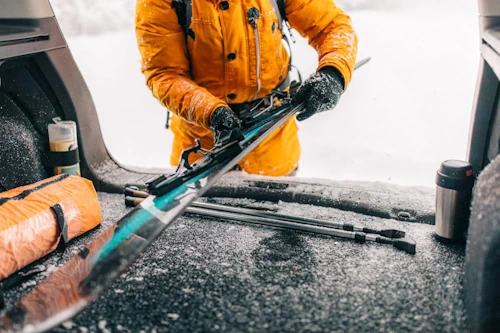
Winter transforms our cars into battlegrounds. As temperatures plummet and roads turn into salt-slush rivers, your vehicle's interior faces a relentless assault. Over three decades of automotive journalism, I've witnessed how winter can destroy upholstery, crack dashboards, and corrode electronics. This guide delivers battle-tested protection strategies to keep your cabin pristine, comfortable, and damage-free through the harshest winter months.
The Winter Offensive: Understanding Interior Enemies
Before deploying defenses, know what you're fighting:
- Corrosive Salt Slush: Melting agents create brine that penetrates carpets and eats metal components
- Destructive Thermal Cycling: -20°F to 70°F cabin swings crack vinyl and dry leather
- Moisture Warfare: Snowmelt increases humidity 400% in confined cabins (NHTSA data)
- Abrasive Particulates: Road grit becomes sandpaper for touchscreens and plastics
- Electronic Stress: LCD screens become brittle below -4°F (Automotive Electronics Council)
Floor Protection: Your First Line of Defense
Salt-stained carpets are winter's signature damage. Prevent permanent corrosion with:
Tactical Floor Mat Deployment
- Deep-Containment Rubber Mats: Choose 100% rubber (not vinyl) with 1" tall perimeter walls. TPE mats outperform PVC in cold flexibility.
- Custom-Fit Solutions: Laser-measured mats prevent salt seepage around edges. Brand examples: WeatherTech, Husky Liners.
- Two-Layer Strategy: Place absorbent carpet mats over rubber liners for dual protection.
Weekly Decontamination Protocol
- Remove mats and hose with cold water (hot water sets salt stains)
- Scrub with diluted white vinegar (1:3 ratio) using stiff brush
- Treat rubber with 303 UV Protectant to prevent cold-cracking
- Place baking soda under mats overnight to absorb residual moisture
Upholstery Armor: Fabric and Leather Preservation
Winter turns fabrics into moisture sponges and leather into cracked parchment:
Fabric Protection Protocol
- Pre-treatment: Apply fluoropolymer fabric guard (3M Scotchgard)
- Emergency Salt Removal: Club soda blotting within 2 hours of contamination
- Moisture Defense: Silica gel packs under seats (replace monthly)
- Odor Prevention: Bi-Weekly baking soda vacuum treatment
Leather Winterization
- Hydration: pH-balanced leather milk every 45 days
- Cold-Protectant: Lanolin-based conditioners remain flexible at -30°F
- Salt Emergency Kit: 1:1 distilled water/vinegar solution + microfiber
- Heated Seat Caution: Always run ventilation 2 minutes before activating
Dashboard and Plastic Preservation
Your dashboard endures the most extreme temperature swings:
Crack Prevention System
- UV Defense: Apply ceramic-infused dashboard protectant (AvalonKing) quarterly
- Thermal Shock Mitigation: Use reflective windshield covers when parked
- Cleaning Protocol: Dust with electrostatic cloths before wet cleaning
- Vent Protection: Place mesh filters over air vents to catch abrasive particulates
Climate Control Mastery
Prevent fogged windows and maintain air quality:
| Problem | Solution | Pro Tip |
|---|---|---|
| Persistent Fogging | Replace cabin air filter + apply anti-fog treatment (RainX) | Recirculate mode for first 5 minutes of driving |
| Musty Odors | HVAC system sanitization spray + replace filter | Run AC for 10 minutes weekly to prevent mold |
| Dry Air Discomfort | Compact car humidifier + hydrate with leather conditioner | Place bowl of water on floor overnight |
Electronics Protection Strategy
Modern vehicles contain over 3,000 electronic components vulnerable to winter:
- Screen Preservation: Apply matte screen protectors to prevent cold-induced brittleness
- Port Defense: Use dielectric grease on USB/charging ports to prevent corrosion
- Battery Management: Keep lithium-ion devices above 32°F using console warmers
- Startup Protocol: Wait 90 seconds after engine start before powering infotainment
Winter Emergency Sanctuary Kit
Prepare for the worst while protecting your interior:
- Seat-Safe Storage: Collapsible fabric bins (avoid hard containers that crack upholstery)
- Moisture-Controlled Essentials: Vacuum-sealed blankets, chemical hand warmers
- Non-Corrosive Traction Aid: Aluminum grip plates (avoid rock salt in cabin)
- Interior-Safe Shovel: Folding plastic shovel with edge guard
- Leather-Safe Emergency Kit: PH-neutral wipes, microfiber towels, portable jump starter
Seasonal Transition Protocol
When spring arrives, execute this damage assessment:
- Steam clean carpets to extract salt residues (avoid saturation)
- Condition all rubber seals with glycerin-based restorer
- Inspect seat mounts and brackets for corrosion
- Apply conductive contact cleaner to electronic connections
- Rotate and sun-dry floor mats for 48 hours
The Enthusiast's Mindset: Beyond Protection
True car lovers understand that winter protection isn't just about preservation - it's about maintaining that sacred connection between driver and machine. When your cabin remains inviting despite howling winds outside, when your leather grips comfortably without cold stiffness, when your electronics respond instantly despite freezing temperatures - that's when you've achieved winter mastery. Implement these strategies diligently, and you'll emerge each spring not with a battered interior, but with a cabin that tells the story of a well-protected journey.
Remember: The difference between a weathered interior and a showroom-fresh cabin after winter comes down to consistent, knowledgeable care. Start today - your future self (and your car) will thank you.