

Few things are more annoying for car owners than persistent creaks, squeaks, or rattles inside the cabin. Even when your engine runs smoothly and the suspension works flawlessly, a constant noise inside the car can ruin the driving experience. The good news is that most interior noises come from predictable areas and can often be fixed with simple DIY techniques. This guide explores where to look, why noises occur, and how to eliminate them effectively.
Why Do Cars Develop Interior Noises?
Cars are subject to vibrations, temperature fluctuations, and natural wear. Over time, plastic panels may loosen, rubber seals dry out, and moving parts like seats or door locks create friction. Modern vehicles also use more lightweight materials, which, while improving fuel efficiency, can be more prone to producing rattles. Understanding the root causes of noise helps narrow down where to search.
Most Common Noise Sources in Car Interiors
- Dashboard and Center Console: Loose clips, plastic-on-plastic contact, or wires behind panels can create ticking or rattling sounds.
- Doors and Door Panels: Hinges, seals, or unpadded trim are frequent sources of creaks, especially in cold weather.
- Seats and Seat Belts: Seat frame joints, headrests, and belt anchors often produce squeaks when shifting weight.
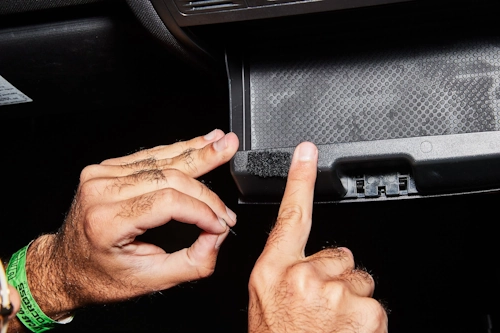
- Glove Box and Storage Compartments: Loose latches or items inside can cause repetitive rattles.
- Roof Linings and Sunroofs: Dry seals, worn rails, or loose trim clips are typical culprits.
- Rear Shelf and Trunk Area: Speakers, spare tire covers, and plastic trim pieces may vibrate against metal or glass.
Quick DIY Fixes for Common Noises
Most creaks can be eliminated with a few affordable materials and simple tools. Here are the most effective methods:
- Silicone Spray: Ideal for rubber seals around doors, windows, and sunroofs. It restores flexibility and reduces friction noise.
- Felt Tape or Foam Strips: Applied between plastic panels or metal joints, they act as a cushion to prevent squeaks.
- Tightening Screws and Bolts: Over time, vibration loosens fasteners. Regularly check panels, seats, and storage covers.
- Trim Removal and Reinstallation: Using plastic tools, remove noisy panels and reposition clips securely.
- Lubrication of Moving Parts: Seat tracks, hinges, and latches often just need a drop of white lithium grease or silicone.
Step-by-Step Guide: Fixing a Noisy Door Panel
How to Silence a Squeaky Door Panel
Step 1: Identify the Noise Source
Press different parts of the door panel while driving slowly over uneven roads. Pinpoint the exact area where the creak occurs.
Step 2: Remove the Trim Panel
Using a plastic trim removal tool, carefully unclip the door panel. Disconnect any wiring to avoid damage.
Step 3: Apply Felt Tape or Foam
Place felt tape on contact points between plastic and metal. Add foam strips in gaps where vibration occurs.
Step 4: Reinstall and Test
Reattach the panel securely, ensuring clips and screws are tight. Test drive to confirm the noise is gone.
Professional vs DIY: When to Get Help
While many creaks can be resolved with patience and basic materials, some cases require professional attention. For instance, noises near airbags, electrical harnesses, or safety-critical seat belt mounts should be checked by a mechanic. Additionally, if you cannot locate the source after multiple attempts, a professional workshop can use specialized diagnostic tools to isolate and eliminate the issue.
Preventing Future Interior Noises
- Regularly clean dust and debris from trim gaps.
- Apply silicone protectant to rubber seals every six months.
- Avoid overloading glove boxes and door pockets.
- Check and tighten bolts during routine maintenance.
- Use OEM clips and fasteners instead of low-quality aftermarket replacements.
Conclusion
Eliminating interior creaks is not just about comfort—it also reflects proper car care. Many noises are quick to fix and require minimal investment, while others may need a professional hand. By identifying popular noise points and applying targeted solutions like lubrication, felt padding, or fastening checks, you can transform your driving experience and restore a sense of peace inside the cabin.