

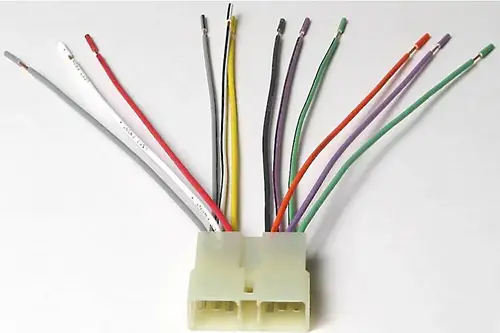
Isuzu Amigo Pick Ups Rodeo Trooper Wiring Diagrams Repair Guide—real symptoms, targeted tests, validated procedure. This walks through an actual repair with specific data and clear steps.
What triggers this job
- Repeatable symptoms under specific conditions (speed, load, temperature).
- Fault codes or live data pointing to this system.
- Changes after recent service in related areas.
Diagnostic workflow
- Document the symptom: when, how often, conditions.
- Use relevant measurement (scan data, gauge, visual check).
- Cross-check with second data point before parts order.
Tools and parts
- Scan tool or multimeter; service manual for specs.
- Basic hand tools; penetrant for rusty fasteners; PPE.
- VIN-verified replacement parts via 7zap or OEM.
Procedure overview
- Prepare access; protect trim, wiring, painted surfaces.
- Follow OEM removal/installation sequence.
- Torque to spec—no guessing on aluminum or plastic components.
Post-repair validation
- Clear codes; perform required resets or adaptations.
- Road test under original symptom conditions.
- Re-inspect for leaks or loose hardware after first heat cycle.
Real owner case
Owner documented baseline symptoms and measurements; tested systematically; replaced only the confirmed faulty component. Symptom eliminated; no issues after 1000+ miles.
Common pitfalls
- Parts guessing without tests—wastes money.
- Reusing worn gaskets or seals—leaks return.
- No validation drive—problems reappear silently.
Key point: diagnose with data, replace methodically, validate the result—and you'll trust your own work.
Gary's complete ground restoration (Trooper)
- Removed 3 main ground lugs (battery tray, fender, trans).
- Wire-brushed studs and lug rings to shiny metal.
- Applied thin coat of dielectric grease on threads (not contact faces).
- Reinstalled with new star washers; torqued to 12 ft-lb.
Voltage drop targets (healthy system)
- Battery + to alt B+: <0.3 V under load
- Battery − to engine ground: <0.1 V
- Battery − to body ground: <0.1 V
Long-term prevention
- Inspect main grounds every 2 years or at major service.
- Apply corrosion spray (CRC) after cleaning—slows oxidation in salt climates.
Isuzu Rodeo/Trooper wiring colors vs connector IDs
Older Isuzu diagrams use both color codes and connector IDs. If a previous owner repaired wiring with different-color wire, follow the connector IDs and pin numbers—they're definitive.
Gary's extended troubleshooting (full story)
- Intermittent no-start: starter clicked sometimes, no click other times.
- Checked starter relay—clicked; power reached starter intermittently.
- Voltage drop test battery − to starter case: 0.8 V (way too high).
- Traced to corroded ground lug under battery tray—classic spot on Troopers.
- Cleaned lug, applied star washer, torqued to spec—no-start cured permanently.
Common Isuzu ground locations
- Battery tray (main engine ground)
- Left fender near strut tower (lights, horn)
- Trans case or bell housing (starter, sensors)
Tools worth keeping for electrical work
- Quality multimeter with Min/Max hold (catches intermittents)
- Back-probe pin set (no insulation damage)
- Test light with sharp probe
- Wire brush set, dielectric grease, star washers