

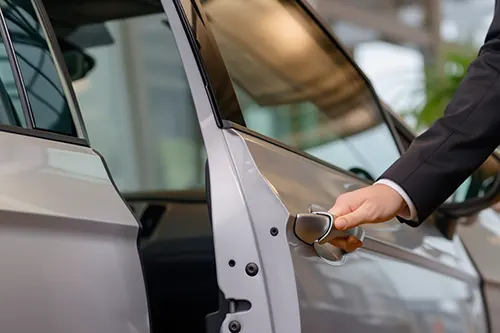
Few things are as annoying as a car door that refuses to stay open. You park on a slight incline, open the door, and before you can even get out – WHAM – it swings shut on your leg or slams into the frame. Or the opposite: the door feels heavy, grinds, or you have to muscle it closed. These problems almost always trace back to four main culprits: worn hinges, a failed check strap, poor door alignment, or incorrect friction. In this guide, we’ll walk through each one, teach you how to pinpoint the root cause, and give you the fixes – from simple lubrication to full component replacement.
How a Car Door Should Behave – The Basics
A properly functioning door should:
- Stay open at any position you place it (on level ground).
- Move smoothly without binding, grinding, or popping.
- Close with a solid, consistent feel – not too light, not too heavy.
- Not sag, drop, or rub against the striker or fender.
If your door fails any of these, you have a mechanical issue. Ignoring it can lead to damaged paint, broken latches, or even a door that won’t close properly – a serious safety hazard.
Quick Diagnostic Flowchart – Which System Is at Fault?
Before you grab tools, run through this quick mental checklist:
- Door swings shut aggressively on any incline? → Most likely check strap failure (detent mechanism worn out).
- Door drops when opened, and you see a gap uneven at the top vs bottom? → Hinge wear or loose hinge bolts.
- Door feels gritty, hard to open/close, or makes scraping noise? → Lack of lubrication or bent hinge.
- Door closes fine but doesn’t line up with the body – sticking out at rear or front? → Alignment issue (striker or hinge adjustment needed).
- Door stays open but swings shut with a light push (no resistance)? → Check strap detent springs or rollers are gone.
Let’s explore each component in detail.
1. The Check Strap – The Door’s “Position Memory” Device
The check strap (also called a door check or detent arm) is a small but crucial component. It’s a metal arm with notches or a roller mechanism attached between the door and the A‑pillar (or body). Its job: provide incremental resistance so the door stays open at half‑way and fully open positions.
Signs of a Failing Check Strap:
- The door swings shut on its own, even on flat ground.
- You no longer feel “clicks” or detents when opening the door.
- A loud pop or crack when opening past a certain point.
- The door over‑travels and hits the front fender.
- Visible damage: cracked plastic housing, broken spring, or worn rollers.
Diagnosis:
Open the door halfway. Try to gently push it closed. If it moves with almost no resistance, the check strap is shot. On many vehicles, you can see the strap by looking between the door and the hinge area. Look for broken plastic pieces or grease leakage.
Fixes for Check Strap Problems:
- Lubrication (temporary fix): Sometimes old grease hardens. Clean the strap with brake cleaner and apply white lithium grease. If the detents return, you bought time – but replacement is still the long‑term solution.
- Replacement: This is the definitive fix. Most check straps are held by two bolts (one on the door, one on the body) and a pin or clip. Replace with an OEM or quality aftermarket part. Cost: $15–$60. Labor: 30–60 minutes DIY.
- Aftermarket universal check straps: Some older cars no longer have available parts. Universal friction‑based straps exist – but they require drilling and are less reliable.
2. Hinge Wear – The Silent Sag
Door hinges are heavy‑duty metal parts with bushings and pins. Over years of use (especially on large SUV or truck doors), the hinge pins wear, and the bushings oval out. This allows the door to sag, misalign, and often swing shut because the door is effectively “falling” closed due to gravity.
Signs of Hinge Issues:
- The door sags: the rear edge is lower than the front edge.
- You see uneven gap between the door and the rocker panel.
- The door scrapes against the striker plate or doesn’t latch smoothly.
- Lift up on the door from the outside handle – if you feel vertical play (up/down movement), your hinge pins are worn.
Diagnosis:
With the door open, grab the bottom rear corner and lift. Any vertical movement (more than 1/8 inch) indicates worn pins or bushings. Also inspect the hinge itself: if you see rust or metal shavings, it’s time.
Fixes for Hinge Wear:
- Hinge pin and bushing replacement: For most vehicles, you can buy a hinge rebuild kit ($10–$30). You knock out the old pins, replace the bushings, and install new pins. This requires supporting the door with a jack or a helper.
- Complete hinge replacement: If the hinge body is cracked or severely worn, you’ll need to unbolt the hinge from the body and door. Mark the original position first with a marker.
- Welding repair (extreme cases): On unibody cars, the hinge mount can tear. This requires professional welding.
3. Door Alignment – Geometry Matters
Even with good hinges and a working check strap, if the door is misaligned, it can swing shut due to the striker pulling it closed prematurely or because the latch isn’t centered. Alignment affects how the door sits in the opening.
Common Alignment Symptoms:
- The door sits flush at the front but sticks out at the rear (or vice versa).
- The door closes easily but you hear wind noise on the highway.
- The door “pops” open or requires a hard slam to latch.
- The gap between the door and fender is uneven (tapered).
How to Align a Car Door:
- Loosen the hinge bolts on the body side (not the door side). Use a Torx or E‑Torx socket, depending on your car.
- Adjust the door in the opening – you can move it up/down, in/out, and tilt.
- Tighten the bolts partially, then close the door slowly to check fitment.
- Fine‑tune the striker plate (the loop on the body). Loosen its bolts and move it in or out to adjust how tightly the door closes.
- Final torque all bolts to factory spec (usually 20–35 lb‑ft for hinges).
Pro tip: Use a helper. Place a floor jack with a block of wood under the door to support it while you adjust. Never rely on the jack alone – always have a second person.
4. Friction Issues – The Overlooked Culprit
Sometimes the problem isn’t a broken part but too much friction (door feels heavy, won’t swing shut) or too little friction (door swings too easily, no resistance).
Too Little Friction:
- Usually caused by a worn check strap (covered above).
- Also: worn hinge bushings that allow the door to “fall” without resistance.
Too Much Friction (Door hard to open/close):
- Dry or rusted hinges.
- Bent hinge arm or door sheet metal rubbing against the fender.
- Debris in the check strap mechanism.
- Door seal (weatherstrip) too tight – but that’s rare.
Friction Fixes:
- Lubricate everything: Use a penetrating oil (like PB Blaster) on hinge pins, then wipe and apply white lithium grease or a heavy‑duty door hinge grease. Also lubricate the check strap and the latch mechanism.
- Inspect for contact: Open the door slowly and look for places where the door touches the fender or body. Adjust the hinges if needed.
- Replace damaged weatherstripping – old, hard rubber can create drag, but this is less common.
Quick Reference Table: Symptoms & Solutions
| Symptom | Most Likely Cause | Difficulty of Fix | Estimated DIY Cost |
|---|---|---|---|
| Door swings shut on any incline (no detents) | Failed check strap | Easy to moderate | $15–$60 |
| Door sags and scrapes striker | Worn hinge pins/bushings | Moderate (need door support) | $10–$30 (rebuild kit) |
| Door doesn’t latch evenly; wind noise | Alignment off or striker worn | Moderate | $0 (just tools) |
| Door hard to open/close, grinding feel | Dry hinges or bent component | Easy (lube) to hard (bent hinge) | $5 (lube) to $100+ (new hinge) |
| Door pops loudly when opening past midpoint | Cracked check strap housing | Moderate | $20–$50 |
Step‑by‑Step: How to Replace a Check Strap (Most Common Fix)
Since a failed check strap is the #1 reason doors swing shut, here’s a detailed walkthrough:
- Gather tools: Socket set (often 10mm, 12mm, or T40 Torx), trim panel removal tool, new check strap, and grease.
- Remove the door panel: Pop off the trim, unplug any window switches, and set the panel aside.
- Locate the check strap: Inside the door cavity, you’ll see the check strap bolted to the inner door skin. Also find its other end bolted to the A‑pillar (visible with door open).
- Support the door – even though you’re not removing hinges, a falling door can damage the check strap bolts.
- Unbolt the check strap from the door side (usually one or two bolts).
- Unbolt the check strap from the body side (visible with door open).
- Remove the old strap – you may need to wiggle it out. Note how the plastic spring housing faces.
- Install the new check strap in reverse order. Apply a thin layer of grease to the sliding surfaces.
- Test the door – you should feel two or three distinct detent positions.
- Reinstall the door panel.
Safety note: If your door has airbags in the side or door, disconnect the battery before unplugging any electrical connectors. Wait 10 minutes for the capacitor to drain.
When to Call a Professional
Most DIYers can handle check straps, hinge pin replacement, and basic alignment. However, seek professional help if:
- The hinge mounting area on the body is torn or cracked – this requires welding and paint work.
- The door is badly misaligned after a collision – structural damage may be present.
- You lack the tools to safely support a heavy door (e.g., on a large SUV).
- The car has exotic or rare parts that are difficult to source.
Preventive Maintenance – Keep Your Doors Happy
- Lubricate hinges and check straps every 6 months with white lithium spray or silicone grease.
- Don’t hang heavy items (like grocery bags) on the door check – it accelerates wear.
- Park on level ground when possible – constant gravity stress on the check strap shortens its life.
- Inspect door alignment annually – catch sag early before it ruins the striker and latch.
Conclusion: Stop Fighting Your Door – Fix It Right
A car door that swings shut on its own is not just annoying – it’s dangerous. Fingers get pinched, kids can get hit, and a slamming door can crack the glass or damage the paint. By systematically checking the check strap, hinges, alignment, and friction, you’ll pinpoint the issue in under 10 minutes. Most fixes are inexpensive and well within the reach of a weekend mechanic. So grab your socket set, watch the video above, and give your car door the attention it deserves. You’ll thank yourself every time you step out and the door stays exactly where you put it.
Final pro tip: If you’re replacing the check strap, do both front doors at the same time – if one failed, the other is close behind. And always use OEM or high‑quality aftermarket parts; cheap universal straps often fail within months.
Safe driving – and safe exiting!