

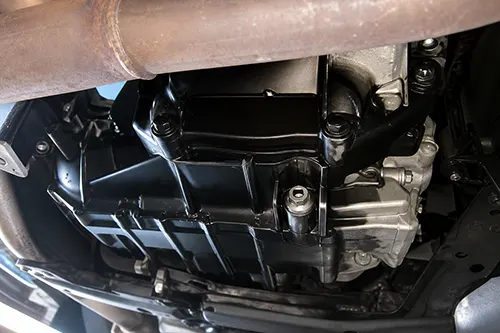
You pop the hood after a long drive, pull out the transmission dipstick, and bring the fluid to your nose. Then it hits you: that unmistakable acrid, toasty smell — the classic odor of burnt automatic transmission fluid (ATF). Your heart sinks a little. But when you put the car in drive, everything feels… normal. No slipping, no harsh shifts, no delayed engagement. So what’s really going on here? Are you sitting on a ticking time bomb, or is that smell just leftover from an old spill that never got cleaned up? As someone who has spent decades behind the wheel and under the hood, I can tell you this is one of the most deceptive symptoms in automotive diagnostics. Let’s cut through the noise.
Why Burnt ATF Smell Matters – Even When Shifts Are Smooth
Automatic transmission fluid is a sophisticated hydraulic fluid and lubricant designed to operate under extreme pressure and heat. Fresh ATF typically has a slightly sweet, chemical odor; some describe it as a clean, oily smell. When it burns, that means the fluid has been subjected to temperatures above 240–260°F (115–127°C) for a sustained period. At those temperatures, the base oil and additive package begin to break down, forming varnish, sludge, and abrasive particles. The smell is your first, and often earliest, warning that something is generating excessive heat inside the transmission.
The tricky part is that modern transmissions, especially those with advanced hydraulic controls and clutch materials, can sometimes tolerate moderately degraded fluid for a while without showing any shift quality issues. The valve body solenoids and accumulator springs may still manage to apply clutches correctly. Heat damage, though, is cumulative. By the time shifts become abnormal, the internal damage — burnt clutch plates, scorched seals, clogged filter — may already be severe and expensive to repair. So a normal shift feel with a burnt smell is not a clean bill of health. It’s a yellow flag, right in your face.
The Two Main Scenarios: Old Spill vs. Active Overheating
Before you panic and schedule a transmission rebuild, separate the two most common possibilities. At first glance, they can look almost identical.
Scenario 1: An Old Spill on the Dipstick or Pan
This is more common than you’d think. If a previous fluid change was done carelessly, or if there was a minor leak that got fixed, burnt fluid residue may have stayed on the dipstick tube, the dipstick itself, or inside the pan. Every time you check the fluid, you smell those remnants. Meanwhile, the bulk of the fluid in the transmission may still be fresh, or at least healthy enough.
- How to test it: Wipe the dipstick clean with a white paper towel. Smell the towel — does it smell burnt? Then insert the dipstick fully, pull it out, and smell the new fluid sample on the dipstick. If the smell is faint or absent on the fresh wipe but strong on the dipstick after pulling, you might just have contamination in the dipstick tube. Try cleaning the tube with a long brush or replace the dipstick if it’s coated with baked-on fluid.
- Color check: Old burnt residue will look dark brown or black, but the fluid itself should be reddish, or slightly darker if older. If the fluid on the dipstick is still translucent red/pink and smells only mildly burnt, you’re probably dealing with residual smell.
Scenario 2: Early Overheating – An Active Problem
This is the scenario to take seriously. The fluid itself is burnt because something is creating excessive heat. That’s not the kind of warning you want to shrug off.
- Low fluid level: Even a pint low can cause the transmission to run hotter due to increased friction and aeration.
- Clogged transmission cooler or lines: Especially in vehicles with an external cooler integrated with the radiator. Debris or sediment can restrict flow.
- Torque converter issues: A failing torque converter clutch (TCC) that stays partially unlocked generates massive heat at highway speeds.
- Heavy towing or stop-and-go traffic: If you’ve been abusing the transmission without an auxiliary cooler, the fluid may have overheated temporarily, but the damage is done.
- Internal slipping (very early stage): A clutch pack may be slipping microscopically under load, not enough to feel yet, but enough to scorch the fluid.
Immediate Diagnostic Steps for the DIY Enthusiast
You don’t need a shop to start investigating. Here’s the action plan.
1. Fluid Level and Condition Check (Hot, Engine Running)
Follow manufacturer procedure — usually park on level ground, engine idling in Park or Neutral after driving. Use a clean white paper towel to check not only the smell, but also:
- Color: Compare to fresh ATF. Dark brown/black = heavily oxidized.
- Texture: Rub between fingers. Does it feel gritty or thin? Grit means clutch material or metal particles.
- Bubbles: If the dipstick shows bubbles or foam, you have aeration (overfilled or wrong fluid).
2. Test Drive with a Scan Tool (Monitor Transmission Temperature)
Most vehicles from the late 1990s onward let you read transmission fluid temperature (TFT) via OBD-II. Normal operating temperature: 160–200°F (71–93°C). If you consistently see 220°F+ (104°C+) under normal driving, there’s a cooling issue. Even if the shifts feel fine, deal with it.
3. Inspect the Transmission Cooler and Lines
Look for kinks, leaks, or damage. With the engine warm, carefully feel the inlet and outlet lines to the cooler, using a temp gun. Both should be hot, but not scorching. If one line is cold, flow is restricted.
Key Differences: Burnt Fluid Symptoms vs. Real Failure Indicators
Use this quick reference table to size up the situation:
| Symptom | Likely Old Spill | Likely Active Problem |
|---|---|---|
| Burnt smell only on dipstick tip, not fluid itself | ✓ High possibility | Low possibility |
| Fluid is dark brown/black and smells burnt throughout | Rare | ✓ Definitely active overheating |
| Transmission temperature stays normal (<200°F) | ✓ | Unlikely |
| Shifts remain perfect after 500+ more miles | ✓ Possible | Still could be early wear, but less likely |
| Burnt smell + tiny metal particles on dipstick | No | ✓ Major internal damage – rebuild soon |
Can You Just Flush the Fluid and Move On?
This is where opinions split. If you’ve confirmed that the burnt smell comes from an old spill and the fluid itself is healthy, a simple drain-and-fill or a full flush won’t hurt. But if the fluid itself is burnt, a flush is not a cure. It’s like changing the oil in an engine with a rod knock — the damage is already there. Even so, many transmissions have survived a fluid and filter change followed by a proper cooling system diagnosis. What is important is choosing the right approach.
- For mildly burnt fluid (light brown, no particles): Perform a pan drop, replace the filter, and refill with fresh OEM-spec ATF. Add a bottle of transmission additive like Lubegard Red (for older units) to help clean varnish. Then drive gently for 500 miles and re-evaluate.
- For heavily burnt fluid (black, gritty, burned smell strong): Do NOT power flush — that can dislodge debris and clog passages. Instead, do a series of drain-and-fills (3-4 times over a few thousand miles). But be prepared for the possibility that the transmission may start slipping after new fluid because the worn clutch material in the old fluid was providing friction. Rare, yes, but known.
- For burnt fluid + any shift abnormality: Tow it to a specialist. New fluid won’t fix mechanical wear.
Real-World Case: When “Normal Shifts” Fooled Me
A few years back, a friend brought me his 2009 Honda Odyssey. The ATF smelled like a campfire, but he swore it shifted “perfectly.” I drove it — and, sure enough, smooth as silk. The fluid was dark red, not black. No codes. I checked the transmission cooler lines, and the return line was cool. We back-flushed the cooler and found a plug of sludge the size of a pea. After replacing the radiator (integrated cooler) and refilling with Honda DW-1, the burnt smell never returned. That van is still on the road 80,000 miles later. The point? The good shifts didn’t lie, but neither did the smell. The smell was pointing to a cooling problem that would have killed the transmission in a few months. We caught it early. Barely, maybe.
Prevention: How to Keep ATF Sweet-Smelling
Once you’ve resolved any active issue, a few habits can keep burnt fluid smell from coming back:
- Change ATF every 30,000–50,000 miles (or per severe service schedule). Don’t trust “lifetime fluid” claims — they usually mean the lifetime of the warranty, not the car.
- Install an auxiliary transmission cooler if you tow, drive in mountains, or live in a hot climate.
- Check fluid level monthly. Low fluid is the #1 cause of overheating.
- Use the correct ATF specification. Using Dexron in a Chrysler unit requiring ATF+4 can cause slippage and heat.
- Address check engine lights and transmission codes immediately — even P0700 (generic) can hint at early TCC issues.
Conclusion: When to Worry and What to Do Right Now
The smell of burnt ATF with normal shifts isn’t a paradox — it’s a specific diagnostic clue. Your job is to determine whether it’s a harmless old spill or an early warning of heat damage. Here’s the decision flowchart:
- Step 1: Wipe dipstick, check color and smell of fresh fluid. If fluid looks and smells good, clean dipstick tube and monitor.
- Step 2: If fluid is dark or smells burnt even after wiping, scan transmission temperature. Normal temp? Move to Step 3. High temp? Fix cooling issue.
- Step 3: Perform a pan drop and filter change. Inspect old fluid for metal or clutch material. None? Refill, drive, re-check smell after 100 miles.
- Step 4: If smell returns or shifts degrade, consult a transmission specialist. Early intervention can save thousands compared to a full rebuild.
Remember: transmissions rarely die suddenly. They send smoke signals, and burnt ATF smell is one of the clearest. Even if everything still feels normal, respect that warning. A few hours of diagnosis now can mean years of trouble-free driving later. Drive smart, keep the fluid fresh, and always trust your nose.