

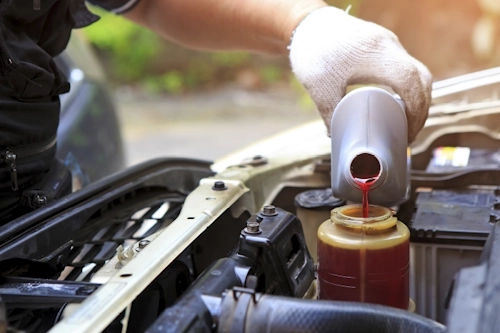
The Lifeblood of Your Steering System
Power steering fluid serves as the critical hydraulic link between your steering wheel and front wheels, transforming what would be a physically demanding task into an effortless gesture. Yet many drivers overlook its maintenance until warning signs become impossible to ignore. Unlike electric power steering systems (common in modern EVs and newer vehicles), hydraulic power steering—still found in millions of cars—relies on this specialized fluid to function properly. When neglected, it can lead to expensive repairs and compromise vehicle safety.
Why Power Steering Fluid Degrades Over Time
Power steering fluid operates under high pressure and extreme temperatures, gradually breaking down through normal use. It serves two primary functions: creating hydraulic pressure to assist steering and lubricating moving components within the system. As it ages, the fluid loses viscosity and its additive package depletes, reducing its effectiveness. Contaminants like metal shavings from normal wear, dirt, and moisture accumulation form sludge that compromises performance.
Signs Your Power Steering Fluid Needs Attention
1. Difficulty Steering
A stiff, heavy, or jerky steering wheel—especially at low speeds—is the classic symptom of low or degraded power steering fluid. You may notice increased resistance when parking or making sharp turns.
2. Unusual Noises
Whining, squealing, or groaning sounds when turning indicate inadequate lubrication in the steering system. These noises often originate from the power steering pump struggling to circulate thick, contaminated fluid.
3. Visual Fluid Issues
Healthy power steering fluid is typically bright red and translucent. Check your reservoir (usually labeled with a steering wheel icon)—if the fluid appears dark brown or black and has a burnt odor, it's well past its service life.
4. Fluid Leaks
Puddles of reddish or amber-colored fluid under your vehicle (particularly near the front wheels) indicate a leak in the power steering system. Low fluid levels accelerate pump wear and can lead to complete system failure.
5. Erratic Steering Behavior
If your steering feels loose, unresponsive, or requires constant correction, it could indicate air entering the system due to low fluid levels or contamination affecting pressure consistency.
When to Change Your Power Steering Fluid
Manufacturer recommendations vary, but most suggest changing power steering fluid every 50,000–80,000 miles or every 2–4 years. However, specific intervals depend on:
- Driving Conditions: Towing, frequent low-speed maneuvering, or extreme temperatures accelerate degradation
- Vehicle Age: Older vehicles with higher mileage may require more frequent changes
- Factory Guidelines: Always consult your owner's manual for model-specific recommendations
DIY Power Steering Fluid Change
Replacing power steering fluid is a manageable project for most DIY enthusiasts. Here's a simplified process:
Tools Needed:
- New power steering fluid (check your manual for specification)
- Turkey baster, fluid transfer pump, or syringe
- Clean lint-free rags
- Safety glasses and gloves
- Drain pan (for full flushes)
Steps:
- Locate the Reservoir: Identify the power steering fluid reservoir (typically near the engine with "Power Steering" labeling)
- Remove Old Fluid: Use a turkey baster or pump to extract as much old fluid as possible from the reservoir
- Refill with New Fluid: Fill the reservoir to the "MAX" line with manufacturer-recommended fluid
- Cycle the System: Start the engine and slowly turn the steering wheel lock-to-lock 3–5 times to circulate new fluid
- Repeat if Necessary: For heavily contaminated systems, repeat the process until fluid runs clear
- Inspect for Leaks: Check connections and ensure the reservoir is properly sealed
Consequences of Neglect
Ignoring power steering fluid maintenance leads to cascading failures:
- Pump Failure: Contaminated fluid causes excessive wear on the pump's internal components
- Rack and Pinion Damage: Metal particles from a failing pump circulate through the system, scoring seals and surfaces
- Safety Risks: Sudden steering stiffening or failure during operation creates dangerous situations
- Cost Amplification: A simple fluid change can prevent thousands in repairs
Professional Service vs. DIY
While DIY fluid replacement is feasible for basic partial changes, full system flushes often require professional equipment. Mechanics use pressurized flush machines to completely replace fluid and remove air bubbles. Professional service is recommended if:
- You notice metal particles in the fluid
- The system has never been serviced
- You're uncomfortable with DIY procedures
- Air bubbles persist after DIY refill
Power Steering Fluid Types
Not all fluids are interchangeable. Using incorrect fluid can damage seals and components. Common types include:
- ATF (Automatic Transmission Fluid): Used in many American and Asian vehicles
- CHF (Central Hydraulic Fluid): Common in European vehicles (BMW, Mercedes)
- Proprietary Blends: Specific to certain manufacturers (Honda, Toyota)
Always reference your owner's manual or reservoir cap for specification—when in doubt, consult a dealership or specialist.
The Electric Steering Exception
Increasingly common electric power steering (EPS) systems—used in most new vehicles—eliminate hydraulic fluid entirely. These systems use electric motors and sensors instead of hydraulic pressure. If your vehicle has EPS (common in hybrids and EVs), you won't have power steering fluid to maintain.
Conclusion: Small Maintenance, Big Protection
Power steering fluid maintenance represents one of the most overlooked yet critical aspects of vehicle upkeep. Unlike some maintenance items that affect only longevity, steering system health directly impacts your safety every time you drive. The signs are clear—unnatural steering effort, unusual noises, and discolored fluid all signal that your system needs attention. Whether you choose DIY replacement or professional service, adhering to regular maintenance intervals prevents costly repairs and ensures your vehicle responds predictably when you need it most.
<