

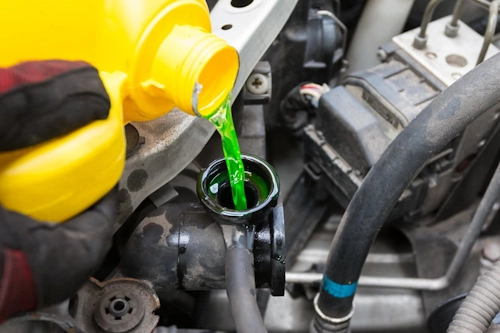
The radiator is one of the most important components of your vehicle’s cooling system. Over time, dirt, rust, scale, and old coolant residues accumulate inside, reducing the efficiency of heat transfer and increasing the risk of overheating. That is why flushing the radiator is an essential part of regular maintenance. However, many drivers either neglect this procedure or use the wrong methods and substances, which can cause more harm than good. This article will provide a detailed guide to radiator flushing, safe methods, and products you should never use.
Why Radiator Flushing Is Important
Coolant, also known as antifreeze, contains additives that prevent corrosion, lubricate the water pump, and increase the boiling point of the fluid. Over time, these additives break down. When this happens, the coolant becomes aggressive, forming scale deposits and rust inside the cooling system. If not addressed, the following issues may occur:
- Overheating due to clogged passages in the radiator.
- Corrosion of aluminum and steel components.
- Reduced efficiency of the thermostat and water pump.
- Complete radiator blockage in severe cases.
Regular flushing helps to prevent these problems and extend the life of your cooling system.
When Should You Flush the Radiator?
The general recommendation is to flush the radiator every 2–4 years, depending on the type of coolant and driving conditions. Signs that a flush may be necessary include:
- Rust-colored coolant or sludge visible in the reservoir.
- Frequent overheating, even in mild conditions.
- Reduced cabin heating performance.
- Leaks or damaged hoses caused by aggressive coolant.
Even if these signs are not present, preventive flushing is always safer than waiting for a major issue to occur.
Safe Methods for Flushing a Radiator
1. Using Distilled Water
One of the safest and most common methods is flushing the radiator with distilled water. After draining the old coolant, fill the system with distilled water, run the engine until it reaches operating temperature, then let it cool and drain again. Repeat this process until the water comes out clean. Distilled water is preferred because it does not contain minerals that could form deposits inside the radiator.
2. Specialized Radiator Flush Products
There are many chemical radiator flush solutions available on the market. These products are formulated to dissolve scale, rust, and sludge without damaging the radiator or seals. The typical process involves:
- Draining old coolant.
- Filling the system with water mixed with the flushing solution.
- Running the engine for the recommended time (usually 10–20 minutes).
- Draining the system and flushing with clean distilled water.
After this procedure, refill the radiator with the correct type of coolant. When choosing a flush product, always select a brand recommended for your type of cooling system and avoid aggressive chemicals.
3. Professional Flushing at a Service Center
Many workshops use specialized equipment to flush radiators and entire cooling systems. This equipment circulates a cleaning solution under pressure, ensuring that even stubborn deposits are removed. While more expensive, this method is highly effective and recommended if your vehicle shows signs of heavy contamination.
What You Should Never Use to Flush a Radiator
Unfortunately, some DIY guides on the internet recommend unsafe substances for radiator cleaning. These can severely damage your cooling system and lead to costly repairs.
1. Vinegar or Lemon Juice
Although acidic liquids like vinegar and lemon juice can dissolve rust, they are too aggressive for aluminum and rubber parts in modern radiators. Prolonged exposure may corrode internal surfaces and weaken seals, leading to leaks.
2. Household Cleaning Agents (Bleach, Soap, Dishwasher Detergent)
Products such as bleach or dishwashing detergent are not formulated for use inside a vehicle’s cooling system. Bleach can rapidly corrode metal, while detergents may create foam that prevents proper coolant circulation. Additionally, residues are very hard to remove completely.
3. Salt Water
This is one of the worst possible substances to use in a cooling system. Salt water accelerates corrosion and will quickly damage both the radiator and the engine block. Even small traces left inside can cause long-term issues.
4. Tap Water
Although it might seem harmless, tap water contains minerals such as calcium and magnesium, which can lead to scale formation. Over time, these deposits clog the radiator and reduce heat transfer efficiency. Always use distilled or deionized water instead.
Risks of Incorrect Flushing
If improper substances or methods are used, the following risks can occur:
- Corrosion: Acidic or alkaline substances accelerate metal damage.
- Seal damage: Aggressive chemicals weaken rubber and silicone gaskets.
- Residual contamination: Some agents are difficult to remove, mixing with coolant and reducing its efficiency.
- Blockages: Improper flushing can loosen large chunks of debris, which may clog narrow passages in the radiator or heater core.
Best Practices for Radiator Flushing
- Always allow the engine to cool before opening the radiator cap.
- Use only distilled water or recommended flushing solutions.
- Perform at least one rinse with clean water after using any chemical flush.
- Refill with coolant that matches your car manufacturer’s specifications.
- Check for leaks after refilling and bleed air from the cooling system to avoid air pockets.
Conclusion
Radiator flushing is not complicated, but it requires the right approach. Safe methods include using distilled water, specialized radiator flush products, or professional service equipment. Substances like vinegar, bleach, or tap water should never be used, as they can cause severe and costly damage. By following proper procedures and choosing the right products, you can ensure your radiator and cooling system continue to perform efficiently, protecting your engine for many years to come.