

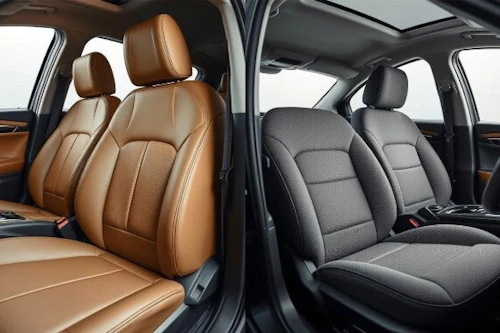
The Great Automotive Debate: Choosing Your Throne
The choice between cloth and leather car seats represents one of the most fundamental decisions in vehicle specification, balancing practicality against luxury, comfort against status, and personal preference against practical necessity. For automotive enthusiasts who view their vehicle as an extension of their personality, this decision goes beyond mere aesthetics to encompass performance, maintenance, and long-term value preservation. The evolution of automotive upholstery from simple woven wool in the 1890s to today's advanced microsuede and synthetic materials reflects our changing relationship with vehicles—from mere transportation to personalized sanctuaries on wheels.
Historical Context: From Function to Fashion
Automotive upholstery has undergone a remarkable transformation since the dawn of the automobile. The first car fabrics were simple woven wool installations in the 1890s, primarily designed to provide basic comfort and distinguish automobiles from their horse-drawn predecessors. By the 1960s, cushioned vinyl gained popularity for its water resistance and durability, followed by synthetic materials like polyester and nylon that offered improved performance and aesthetic options. The 21st century introduced microfiber and microsuede options that rival traditional leather in luxury appeal while offering unique performance characteristics. This evolution has created an array of choices for modern drivers, each with distinct advantages and compromises.
Cloth Seats: The Practical Performer
Cloth seats have remained a popular choice for manufacturers and consumers alike due to their compelling blend of comfort, practicality, and value. Modern cloth upholstery typically incorporates synthetic fibers like polyester, nylon, or blends specifically engineered for automotive use, offering improved durability and stain resistance compared to earlier generations of fabric seats.
Advantages of Cloth Seats:
- Temperature Neutrality: Cloth seats demonstrate superior performance in extreme temperatures, remaining relatively cool in summer and warm in winter without requiring advanced climate systems. This makes them particularly suitable for convertibles or vehicles frequently exposed to direct sunlight.
- Comfort and Breathability: The porous nature of fabric provides enhanced airflow, reducing sweat and discomfort during long drives in warm conditions. The textured surface also offers better grip, keeping occupants more securely positioned during spirited driving.
- Cost Efficiency: Vehicles with cloth interiors typically command lower initial prices, with leather options often adding $1,500-$2,500 to the vehicle's cost. This makes cloth an attractive option for budget-conscious enthusiasts who prefer to allocate resources to performance upgrades.
- Customization Potential: Modern cloth seats offer a wide array of colors, patterns, and textures unavailable in leather, allowing for greater personalization of vehicle interiors.
Limitations of Cloth Seats:
- Stain Vulnerability: Cloth seats are more prone to absorbing spills and stains, requiring prompt cleaning to prevent permanent damage.
- Allergen Retention: The porous nature of fabric can trap allergens like dust, pollen, and pet dander, potentially exacerbating allergy symptoms.
- Perceived Value: Despite advances in material technology, cloth seats still carry less prestige in the resale market compared to leather equivalents.
Leather Seats: The Luxury Statement
Leather upholstery has long symbolized automotive luxury, evoking images of handcrafted quality and premium motoring experiences. Modern automotive leather ranges from basic vinyl blends to premium full-grain hides in luxury vehicles, with each tier offering different characteristics and maintenance requirements.
Advantages of Leather Seats:
- Aesthetic Appeal: Leather interiors project an image of sophistication and quality that significantly enhances a vehicle's interior ambiance. The distinctive smell of quality leather also contributes to the sensory experience of luxury motoring.
- Durability and Longevity: Properly maintained leather seats can outlast fabric alternatives, developing a desirable patina rather than showing wear. High-quality leather resists fading and degradation when protected from direct sunlight.
- Ease of Cleaning: Non-porous leather surfaces can be quickly wiped clean of spills, dust, and debris, making them particularly suitable for drivers with children or pets.
- Resale Value Enhancement: Vehicles with well-maintained leather interiors typically command higher resale values, often recouping a significant portion of the initial cost premium.
- Allergy-Friendly: Leather's non-porous surface resists allergen accumulation, making it preferable for allergy sufferers.
Limitations of Leather Seats:
- Temperature Sensitivity: Leather seats can become uncomfortably hot in direct sunlight and uncomfortably cold in winter conditions, often requiring ventilated or heated features to mitigate.
- Maintenance Requirements: Leather requires regular conditioning (typically every 3-6 months) to prevent drying, cracking, and premature aging. Specialized cleaning products are necessary to avoid damage.
- Cost Premium: Leather interiors typically add significant cost to a vehicle, both initially and in maintenance expenses over time.
- Slipperiness: The smooth surface provides less grip than cloth, potentially affecting driver stability during aggressive cornering.
Beyond Traditional Options: Synthetic Alternatives
Modern automotive interiors increasingly feature sophisticated synthetic materials that blur the line between cloth and leather:
Leatherette/Vinyl:
These synthetic leather alternatives offer the aesthetic appeal of leather at a reduced cost, with improved resistance to staining and fading. However, they typically lack the breathability of genuine leather and may show wear more obviously over time.
Alcantara/Suede:
This synthetic material provides the luxurious appearance of suede with enhanced durability and resistance to staining. Its textured surface offers improved grip compared to smooth leather, making it popular in performance vehicles. However, it requires specialized cleaning techniques and can be challenging to maintain.
Neoprene:
Popularized by brands like Wet Okole, neoprene seat covers provide excellent water resistance and durability, making them ideal for off-road vehicles, beachgoers, or those with active lifestyles. The material offers a snug fit and provides insulation against temperature extremes.
| Characteristic | Cloth Seats | Leather Seats | Synthetic Alternatives |
|---|---|---|---|
| Initial Cost | Lowest | Highest (+$1,500-$2,500) | Moderate |
| Maintenance Requirements | Regular deep cleaning | Conditioning and specialized cleaning | Varies by material |
| Durability | Moderate (5-8 years) | High (10+ years with care) | Generally high |
| Temperature Performance | Excellent | Poor without climate features | Generally good |
| Resale Value Impact | Neutral or slightly negative | Positive (if well-maintained) | Neutral |
| Allergy Considerations | Poor (traps allergens) | Excellent (easy to wipe clean) | Generally good |
Decision Factors: Choosing What's Right for Your Driving Life
Climate Considerations
Your local climate should significantly influence your upholstery decision. Leather seats excel in moderate climates but can become uncomfortable in extreme heat or cold without auxiliary heating and cooling systems. Cloth seats perform better across temperature extremes but may promote mildew growth in consistently humid environments.
Lifestyle and Usage Patterns
Consider your typical vehicle usage: Drivers with children or pets may prefer leather's easy-clean surface, while outdoor enthusiasts might opt for neoprene or specialized water-resistant fabrics. Commuters who spend significant time in their vehicles might prioritize cloth's comfort, while those who value image and resale may prefer leather.
Budget Considerations
Evaluate both initial cost and long-term maintenance expenses. While leather commands a premium initially, its durability and positive impact on resale value may justify the investment for owners who keep vehicles long-term. Cloth seats offer lower entry costs but may require more frequent cleaning or replacement of covers.
Environmental and Ethical Concerns
Eco-conscious buyers should consider that traditional leather production involves significant environmental impact through the tanning process, which consumes large amounts of water and chemicals. Modern synthetic alternatives often incorporate recycled materials and avoid animal products, while advances in eco-leather production are reducing the environmental footprint of genuine leather.
Maintenance Comparison: Presiding Your Investment
Cloth Seat Maintenance:
- Regular vacuuming (weekly recommended) to remove debris and allergens
- Immediate treatment of spills with appropriate cleaners
- Periodic deep cleaning with upholstery extractor or professional service
- Application of fabric protectors to repel stains and liquids
Leather Seat Maintenance:
- Weekly wiping with damp microfiber cloth to remove surface debris
- Regular conditioning (every 3-6 months) to maintain suppleness
- Use of pH-balanced leather cleaners to avoid damage
- Protection from direct sunlight to prevent fading and cracking
- Immediate cleaning of spills to prevent staining and finish damage
The Resale Equation: Calculating Long-Term Value
While leather interiors typically enhance resale value, the premium varies significantly by vehicle class and market segment. In luxury vehicles, leather is often expected and its absence can negatively impact value. In economy segments, the value differential may be minimal unless the leather is exceptionally well-maintained. Well-preserved leather interiors typically return 50-70% of their initial premium at resale time, while worn or damaged leather can actually diminish value compared to good condition cloth.
Conclusion: Finding Your Perfect Match
The choice between cloth and leather seats ultimately reflects your priorities as an automotive enthusiast. Cloth seats offer practical advantages in comfort, temperature performance, and initial cost, making them ideal for daily drivers, performance applications where grip matters, and budget-conscious enthusiasts. Leather provides undeniable aesthetic appeal, easier maintenance, and potentially higher resale value, catering to those who view their vehicle as a luxury experience and are willing to invest in its presentation and preservation.
For many modern drivers, the ideal solution may lie in synthetic alternatives that offer the best of both worlds—the luxury appearance of leather with the practical benefits of advanced fabrics. Regardless of your choice, understanding the long-term maintenance requirements and protecting your investment will ensure your vehicle's interior remains a source of pride and pleasure throughout your ownership experience.
Remember that your relationship with your vehicle evolves over time, and your ideal upholstery choice should reflect not just your current needs, but your aspirations for your driving life. Whether you prioritize the tactile pleasure of premium leather or the practical performance of advanced fabrics, the perfect choice is the one that delivers the greatest satisfaction every time you take the wheel.