

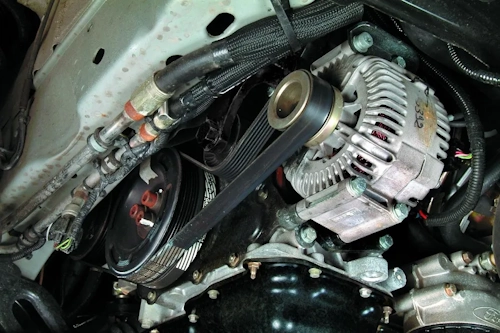
That high-pitched squeal when starting your car isn't just annoying - it's often the first warning of alternator belt failure. Understanding replacement costs and recognizing failure signs can prevent costly breakdowns and expensive secondary damage to your vehicle's critical systems.
Alternator Belt Replacement Cost Breakdown
The typical alternator belt replacement ranges between $110 and $210 for most vehicles, though European luxury models may cost $250 or more. This includes:
| Component | Price Range | Notes |
|---|---|---|
| Belt Parts | $30-$80 | EPDM vs. premium neoprene |
| Labor | $80-$130 | Based on shop hourly rates |
| Complete Kit (Belt + Tensioner) | $80-$150 | Recommended for older vehicles |
Several factors influence final pricing: Luxury vehicles with complex engine layouts increase labor time. Premium neoprene belts ($60+) offer superior resistance to oil, heat, and cracking compared to standard EPDM belts. Geographic location affects shop rates - metropolitan areas typically charge 20-30% more than rural locations
Critical Symptoms Requiring Immediate Replacement
- Squealing sounds (especially during startup, AC activation, or steering maneuvers)
- Accessory failures including weak AC, stiff steering, or battery warning lights
- Visible belt damage - cracks deeper than 1/32", frayed edges, missing chunks, or glazed surfaces
- Overheating engines when the belt drives the water pump
- Electrical irregularities like dimming headlights or flickering dashboard lights
Why Timely Replacement Matters
Driving with a compromised alternator belt risks catastrophic failures:
| Risk | Consequence | Repair Cost Impact |
|---|---|---|
| Complete Belt Failure | Sudden loss of power steering/charging/cooling | +$200-$500 for towing |
| Overheating | Potential engine seizure | +$2,000-$5,000 engine replacement |
| Battery Drain | Stranded vehicle & battery damage | +$150-$250 new battery |
Most belts last 50,000-100,000 miles but degrade faster in extreme heat, high humidity, or when contaminated by oil/coolant leaks. "Stretch belts" require replacement anytime they're removed since they lose elasticity.
DIY Replacement: Tools and Risks
While possible for mechanically inclined owners, DIY replacement carries significant risks:
Required Tools
- ½" breaker bar or belt tensioner tool
- Socket set
- Safety glasses & gloves
- Vehicle-specific replacement belt
Critical Steps
- Document routing: Photograph belt path from multiple angles
- Relieve tension: Insert breaker bar into tensioner pulley
- Inspect components: Check pulley alignment and spin idlers
- Install new belt: Follow routing diagram precisely
- Test operation: Start engine, verify no squealing for 60+ seconds
Warning: Improper tension causes premature failure. Overtightening strains bearings; undertightening causes slippage and overheating. Most professionals recommend against DIY unless you have specific experience with belt systems.
Professional Service Advantages
Certified technicians provide comprehensive solutions beyond basic replacement:
Charging System Inspection ($120-$150)
- Pulley alignment checks
- Bearing wear diagnosis
- Tensioner functionality tests
- Battery/alternator performance verification
Preventative Component Replacement
- Tensioner assemblies: $80-$130
- Idler pulleys: $40-$75 each
- Alignment corrections: Price varies
Shops offering Digital Vehicle Inspections (DVI) provide visual documentation of wear patterns and potential failures. This transparency helps prioritize repairs and prevents repeat failures.
Alternator Belt vs. Timing Belt: Critical Differences
These components serve fundamentally different purposes:
| Alternator/Serpentine Belt | Timing Belt | |
|---|---|---|
| Function | Drives accessories (alternator, power steering, AC) | Synchronizes crankshaft/camshaft rotation |
| Failure Symptoms | Squealing, accessory failure | Engine misfires, catastrophic engine damage |
| Replacement Cost | $110-$210 | $500-$1,000+ |
| Replacement Interval | 50,000-100,000 miles | 60,000-100,000 miles |
Never confuse these components - timing belt failure typically causes catastrophic engine damage, while serpentine belt failure "only" strands your vehicle.
Maximizing Belt Longevity
Extend your new belt's lifespan with these practices:
- Annual inspections: Check for cracks, glazing, or fraying during oil changes
- Clean engine bays: Prevent oil/coolant contamination degrading rubber
- Address leaks immediately: Fix valve cover gaskets or coolant line issues
- Listen for changes: New noises indicate tensioner or bearing problems
- Follow severe service intervals: Reduce replacement mileage by 20% in extreme heat/dust
Finding Quality Repair Services
Select shops with:
- ASE-certified technicians
- Transparent inspection processes (DVI documentation)
- 12+ month repair warranties
- OEM or premium aftermarket parts
Mobile mechanics offer convenient driveway service with typical $80-$130 labor rates. Always request old components to verify replacement completeness.
Proactive alternator belt maintenance prevents 90% of roadside failures related to this component. Investing $200 today avoids average $750 repair bills from secondary damage caused by belt failure. Schedule inspections immediately if experiencing symptoms or if your belt exceeds 60,000 miles without replacement.