

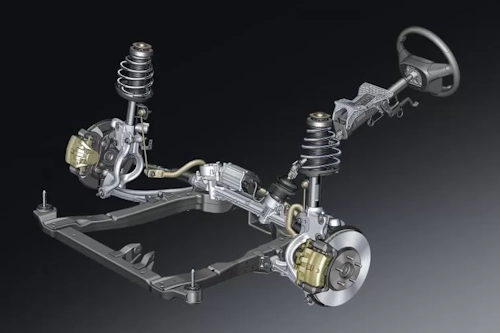
There's a certain magic in the simple act of turning a steering wheel. That effortless rotation translates into a dance of mechanical precision, physics, and hydraulic or electric wizardry that pivots a ton of metal exactly where you intend. After three decades of testing everything from vintage classics to hypercars, I still find steering systems to be one of automotive engineering's most elegant solutions. Let's dissect this unsung hero that turns your intentions into direction.
The Mechanical Ballet: Core Components
Every steering system is a conversation between driver and machine. When you rotate that leather-wrapped wheel, here's what happens behind the scenes:
The Steering Column
That shaft running from your wheel through the firewall isn't just metal - it's the messenger carrying your intentions. Modern columns incorporate crumple zones and universal joints for safety, with some featuring telescopic or tilt adjustments. Ever notice slight play in an old car's wheel? Worn column bearings or U-joints are usually the culprits.
Rack and Pinion: The Precision Artists
Dominating modern vehicles, this elegant design features a circular gear (pinion) engaging a linear gear (rack). Rotate the wheel left, the pinion walks the rack right, tugging tie rods to pivot the wheels. Its directness provides that crisp, go-kart responsiveness enthusiasts love in sport compacts and roadsters.
Recirculating Ball: The Heavyweight Champion
Still found in trucks and SUVs, this robust system uses a worm gear turning a sector shaft via ball bearings. Though less precise than rack systems, it handles massive loads better. If you've driven an older 4x4, that slight steering wheel lag is characteristic of this design.
Pro Tip: That faint "clunk" when turning at low speeds? Check tie rod ends first. Worn ones feel like loose door hinges in your steering linkage.The Power Assist Revolution
Remember Armstrong steering? Neither do most drivers under 50. Power assistance transformed driving from upper-body workout to fingertip control.
Hydraulic Systems: The Classic Approach
An engine-driven pump pressurizes hydraulic fluid, typically reaching 1,000-1,500 PSI. When you turn the wheel, a valve directs this fluid to one side of a piston (either in the rack or gearbox), providing muscle. The unmistakable hydraulic whine during full-lock turns? That's relief valve singing to prevent pressure overload.
Electric Power Steering (EPS): The Digital Age
Now dominating new cars, EPS uses an electric motor (mounted on column, rack, or pinion) controlled by sensors measuring steering torque and vehicle speed. Benefits? No parasitic engine drain, programmable feel (sport/comfort modes), and enabling autonomous features. Purists complain about numbness, but modern systems like Porsche's 911 EPS or Ferrari's Dual Pinion setup prove electronics can deliver feedback.
Steering System Longevity: What 30 Years Taught Me
The Fluid Factor: Hydraulic systems demand clean fluid. That dark, burnt-smelling liquid? It's thinning and losing lubricity. Flush every 60k miles.
Belt Tension Matters: A slipping power steering belt causes intermittent assist failure. Check tension during oil changes.
Boots Are Armor: Those rubber bellows on rack ends and tie rods keep grit out. Cracked boots lead to $500 repairs from $10 dirt ingress.
Alignment is Preventive Medicine: Misaligned wheels force steering components to fight each other, accelerating wear. Annual checks pay dividends.
The Feedback Loop: Why Feel Matters
Great steering communicates road texture through your palms. Engineers call this "on-center feel" and "linear response." Hydraulic systems traditionally excelled here, with fluid pressure building progressively through turns. Modern EPS counters this with torque sensors and algorithms simulating resistance curves. The best? Porsche's variable-ratio systems that tighten response during aggressive driving while remaining relaxed on highways.
Future Curves: Where Steering is Headed
Steer-by-wire systems (no physical connection) are emerging, like Infiniti's Direct Adaptive Steering. Pair this with torque-vectoring AWD, and cars can literally pivot around corners. Meanwhile, rear-wheel steering (already in Porsches, GMC trucks) reduces turning circles at low speeds while enhancing high-speed stability. The future? Imagine steering wheels that retract during autonomous mode, then re-engage with tactile feedback when you grab control.
Parting Thoughts
That steering wheel in your hands is more than wood or leather - it's the conductor's baton in your automotive orchestra. Understanding its symphony of mechanics, hydraulics, and electronics makes you not just a driver, but a true car connoisseur. So next time you carve a mountain pass or parallel park downtown, take a second to appreciate this marvel translating your smallest wrist movement into perfect directional poetry.
<