

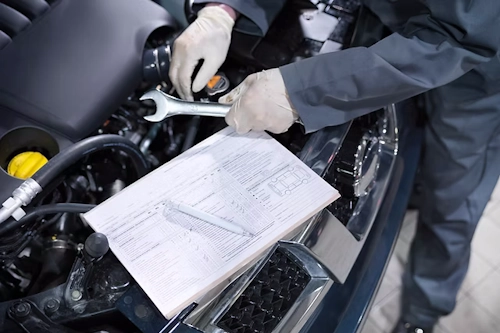
Every car owner knows that consumables — those parts and fluids that wear out with use — are the backbone of a vehicle’s reliability. Engine oil, filters, brake pads, spark plugs, belts, and wipers all work quietly in the background until one day they don’t. While regular maintenance is crucial, the truth is that small, consistent habits can dramatically extend the life of these components. Below, we explore practical steps that every driver can take to make their car parts last longer and perform better, saving both money and time.
1. Start With Smooth Driving Habits
Nothing shortens the life of consumables like aggressive driving. Hard acceleration, abrupt braking, and sharp cornering place enormous stress on engine oil, brake pads, and suspension components. Smooth driving isn’t just about comfort — it’s about preserving mechanical integrity. By accelerating gradually and anticipating traffic flow, you reduce the heat and friction that cause early wear. Your oil stays cleaner longer, your brakes maintain even wear, and your tires preserve tread integrity.
Additionally, using engine braking on downhills instead of riding the brake pedal minimizes the load on brake pads and discs. A well-balanced driving rhythm also helps your transmission and clutch live a longer, happier life.
2. Warm Up Your Engine Properly
Cold starts are one of the most punishing events for any engine. When oil is cold, it’s thicker and flows less freely, meaning the engine runs with minimal lubrication for the first few moments. Avoid revving the engine or driving aggressively right after startup. Allow 30–60 seconds of idle time, or simply drive gently until the temperature gauge begins to rise. This gives oil a chance to circulate and coat internal surfaces, protecting vital components like the camshaft, bearings, and turbocharger (if equipped).
Using quality oil that matches the manufacturer’s viscosity specifications also ensures that lubrication is optimal during cold and hot conditions alike. Investing in a good oil filter complements this, trapping contaminants effectively and maintaining clean oil flow.
3. Check Fluid Levels Regularly
Fluids are the lifeblood of any vehicle — and neglecting them leads to accelerated wear of multiple systems. At least once every two weeks, open your hood and check:
- Engine oil level and color: Dark oil doesn’t always mean bad oil, but sludgy consistency or burnt smell means it’s time for a change.
- Coolant: Ensure it’s between the MIN and MAX marks. Low coolant can cause overheating and damage gaskets, hoses, and the water pump.
- Brake fluid: Low level often indicates pad wear or small leaks — check both before topping up.
- Power steering and transmission fluids: These maintain smooth gear and steering operation; inspect for discoloration or burnt odor.
Maintaining proper fluid levels reduces strain on pumps and seals, preventing premature leaks and failures. Always use fluids that meet the specifications listed in your owner’s manual — mixing incompatible types can lead to corrosion and costly repairs.
4. Keep the Air Clean — Filters Matter
Air filters are among the most underrated consumables in a vehicle. A dirty air filter restricts airflow, forcing the engine to work harder and burn more fuel. Replacing or cleaning it according to the manufacturer’s interval (or more often if you drive in dusty areas) helps maintain power and fuel efficiency.
The same principle applies to cabin air filters. A clean cabin filter reduces the load on the HVAC blower motor and improves air quality inside your car. Don’t forget the fuel filter either — clogged filters can strain the fuel pump, causing early failure and rough idling. These small, inexpensive components are critical for overall vehicle health.
5. Tire Care: Pressure, Alignment, and Rotation
Your tires and suspension are among the most heavily used consumables. Underinflated tires increase rolling resistance and heat buildup, wearing the tread prematurely and increasing fuel consumption. Overinflation, on the other hand, reduces contact area and grip, leading to uneven wear.
Check tire pressure monthly (and before long trips), ideally when the tires are cold. Follow the pressure recommendations found on the driver’s door jamb or in the manual. Rotate tires every 10,000–12,000 km to ensure even wear, and align the wheels at least once a year or after hitting large potholes. This simple routine extends tire life and keeps steering stable.
6. Protect Against Contamination
Dirt, moisture, and salt are silent killers of automotive consumables. After winter or off-road trips, always wash the underbody to remove salt and grime that accelerate corrosion of brake lines, suspension joints, and exhaust components. Avoid leaving the vehicle parked for long periods with mud or debris stuck in the wheel wells or underbody panels — it traps moisture and speeds up rust formation.
Regular cleaning of electrical connectors and battery terminals with contact cleaner also helps prevent voltage drops and extends the life of your electrical system. If you store your vehicle for long periods, disconnect the battery or use a smart charger to prevent discharge and sulfation.
7. Observe Replacement Intervals — But Don’t Blindly Follow Them
Manufacturer maintenance intervals are based on ideal conditions — not stop-and-go city driving, extreme heat, or dusty roads. If you drive in challenging environments, consider shortening the replacement cycles for oil, filters, and brake fluid. Conversely, if your driving style is gentle and conditions clean, you might safely extend intervals slightly — but only with proper monitoring.
Pay attention to sensory clues: changes in sound, vibration, or smell are often early signs of consumable wear. A squealing belt, a soft brake pedal, or a burnt odor from under the hood all deserve immediate inspection.
8. Use Quality Parts and Fluids
Not all consumables are created equal. While budget components may seem appealing, they often have reduced lifespan or performance. Opt for OEM (Original Equipment Manufacturer) parts or trusted aftermarket brands that meet or exceed factory standards. For fluids, always check certifications — API, ACEA, or manufacturer-specific codes (like VW 504.00, BMW LL-04, etc.) ensure compatibility and performance.
Quality components not only last longer but also protect adjacent parts — a poor-quality oil filter can clog quickly and starve the engine of oil, while substandard brake pads can damage rotors. Paying a bit more up front prevents major expenses later.
9. Keep Maintenance Logs
Maintaining a record of all consumable replacements and inspections helps you predict wear patterns and prevent oversights. Note the mileage, brand, and type of each component or fluid replaced. This allows you to identify which brands last longer under your specific driving conditions and makes future maintenance more efficient.
Digital logs or apps can even send reminders for upcoming maintenance intervals. Over time, this disciplined approach builds a clear picture of your vehicle’s “consumable health,” helping you plan and budget for upcoming work.
10. Conclusion: Small Habits, Big Savings
Extending the life of your car’s consumables isn’t about cutting corners — it’s about awareness and consistency. Smooth driving, regular inspections, and attention to detail make all the difference. Treat your car with mechanical sympathy, and it will reward you with reliability, safety, and long-term cost savings.
Remember: cars don’t break overnight — they wear out slowly. Every gentle acceleration, every timely oil check, and every proper tire inflation is a step toward a longer, healthier life for your vehicle. Make these habits part of your routine, and your car’s consumables will thank you by serving faithfully for thousands of extra kilometers.