

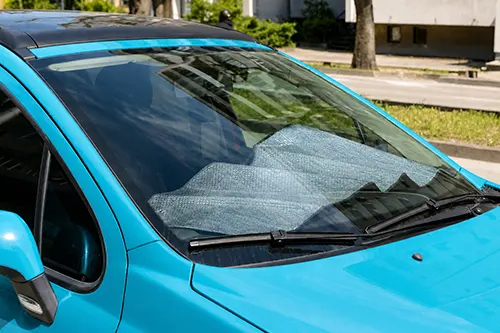
You park your car under the blazing sun, come back an hour later, and hear it: a distinct pop, click, or cracking sound from the windshield area. Sometimes it repeats while driving on a hot afternoon. The sound catches a lot of drivers off guard, and naturally it raises questions about safety or imminent glass failure. It usually isn’t random. Most often, it comes down to three main suspects: plastic trim expansion, urethane adhesive movement, or hidden stress fractures. Knowing what each one sounds and acts like helps you decide whether to relax a little or book a professional inspection.
First things first: Minor popping sounds during temperature swings are often normal, but if the noise becomes frequent, loud, or comes with visible cracks, immediate attention is required.
Trim & Molding Expansion – The Thermal Creak
Modern windshields are surrounded by exterior trim strips, cowl panels, and A-pillar covers made of ABS plastic, polyurethane, or rubber-like materials. On a hot day, especially after direct sunlight, these materials heat up faster than the glass and body steel. Thermal expansion coefficients differ significantly: plastic trim expands roughly 5–10 times more than glass per degree Celsius.
As the trim lengthens, it can press against the glass edge or the metal frame, then suddenly slip or “relax” with a sharp popping sound. The same thing can happen when the interior cools quickly with AC: the trim contracts and releases tension. What is important here is the pattern, not just the sound itself. Key indicators:
- Popping is more noticeable during the first minutes of sun exposure or when you start driving after parking.
- Sound seems to come from the top edge, sides, or lower corners — where plastic trims meet glass.
- No visible cracks or chips, and the windshield looks intact.
Verdict: Usually harmless. Improving trim fitment or adding thin felt tape between trim and glass can reduce noise, but many modern vehicles simply “pop” because of engineered clearances. A bit annoying, sure, but not automatically a danger sign.
Adhesive / Urethane Bond Release – A Sticky Situation
Windshields are structurally bonded to the vehicle’s frame using high-strength urethane adhesive. This adhesive cures to a tough, rubber-like consistency while staying slightly flexible. On scorching days, surface temperatures on a dashboard can exceed 80°C (176°F). Heat softens urethane a little, and the metal frame expands at a different rate than the glass, creating shear forces at the bond line.
If the adhesive has microscopic voids, poor initial installation, or has simply aged (5+ years), the bond can go through localized “micro-slip” events. That releases stored energy with an audible pop, sometimes a lot like a stone hitting the glass. It is worth noting that this can sound more dramatic than it really is. Signs of adhesive-related sounds:
- Popping occurs while driving over mild bumps or during body flex in hot weather.
- You might also hear similar sounds when washing the car with cold water on a hot windshield.
- Inspect inside the glass edges: any signs of slight movement, small water leaks, or faint “crazing” in the black frit (ceramic dots) area?
Caution: If the adhesive bond is failing, the windshield could lose structural integrity (airbag support). Have a certified auto glass technician perform a tap-test or adhesion check. In most cases, occasional pops from adhesive are benign if the glass is properly installed.
Hidden Stress & Microscopic Damage – The Silent Danger
This category is the most concerning. Windshield glass is under constant pre-stress from the manufacturing process, whether tempered or laminated with internal tension. On top of that, small stone chips, edge chips, or improper installation can create concentrated residual stress. When the glass expands in intense heat, these stress points can suddenly “jump” or propagate, producing a popping noise — even when no crack is visible right away.
Later, after several thermal cycles, a crack may appear seemingly out of nowhere. And that’s the part people really hate. Warning flags:
- A single, loud report (like a small rock impact) but no external impact mark.
- Popping sound followed by a growing crack hours or days later, especially after driving on rough roads or using defrosters.
- Previously existing chip or bullseye close to the edge — heat expansion can cause it to run.
Risk factor: Hidden stress failure compromises visibility and safety. If you hear sharp, explosive pops and later notice a spreading crack, replacement is necessary. Do not ignore “spontaneous” popping near an existing chip.
How to Tell Them Apart – Comparison Table
| Feature | Trim Expansion | Adhesive Release | Hidden Stress |
|---|---|---|---|
| Sound character | Clicking, creaking, multiple small pops | Single sharp pop, sometimes a “tock” | Loud crack / explosive pop, like a rock hit |
| Time of occurrence | When sun intensifies or after AC cooldown | Hot soak + body flex (driving / bumps) | Abrupt heat spike, or with temp swing |
| Visible damage? | None – glass pristine | Usually none, possible tiny bond line shift | Often none initially, then crack appears |
| Action recommended | Monitor, add light lubricant to trim | Inspect bond integrity at glass shop | Immediate inspection; consider replacement |
Proactive Diagnosis & DIY Checks
Before heading to a repair shop, you can narrow down the cause safely. At first glance, all these noises seem alike, but a few simple checks can separate them pretty quickly:
- The “push test”: On a hot day, gently press different areas of the windshield from inside (near edges). If the popping sound repeats with light hand pressure, the adhesive or trim may be moving.
- Thermal test with a heat gun (low setting): Warm the top trim area carefully (maintain safe distance) and listen — but avoid excessive heat. Alternatively, pour warm water along the pillar trims (not boiling). If pops occur, trim expansion is likely.
- Inspect existing damage: Use a flashlight to scan the edges and central zone for any tiny cracks or chips, particularly star breaks ≤1 inch from the frame. Even minor edge flaws can become noisy under stress.
- Professional tint & UV: Dark window tint near the windshield band can increase heat absorption, making pops more frequent.
Should I worry about windshield popping on hot days?
In most new cars, occasional popping from trim is cosmetic and nothing to lose sleep over. If the sound changes over time, though — gets louder, more metallic, or starts happening even on mild days — it may point to progressive adhesive failure or an edge crack. Remember: the windshield provides up to 45% of structural rigidity in a rollover, so a compromised bond is a real safety risk.
Expert tip: Avoid parking for long periods with one side of the windshield facing intense sun (e.g., windshield facing south without shade). Thermal shock from uneven expansion can accelerate hidden stress cracks. Using a reflective sunshade reduces interior temps and minimizes temperature gradients across the glass. Small habit, big difference.
Long-term prevention & solutions
- For trim noises: Apply a thin silicone-based trim protectant or low-residue lubricant between rubber/plastic and glass. Avoid heavy oils that attract dirt.
- For adhesive concerns: Have a certified auto glass technician examine the bond. They can perform a “push-out” test with calibrated equipment. No DIY re-glue fixes.
- For hidden stress: If a pop is followed by a hairline crack, immediate replacement is the only safe route. Many insurance policies cover glass repair with zero deductible.
- General precaution: Never pour ice-cold water on a scorching windshield to cool it down. The rapid contraction can cause violent popping and shattering. Instead, crack windows and let airflow normalize temperature.
Final Verdict – Trim, Adhesive or Stress?
If your windshield makes a popping sound only during the hottest part of the day and the glass is intact, trim expansion is the most common explanation — benign and easy to manage. A slightly less frequent culprit is urethane adhesive micro-slip, which may deserve a professional inspection for peace of mind. The least common, but the most serious, is hidden stress, often caused by previous edge damage or installation error. Listen for the loudness, recurrence, and any visual evidence. When in doubt, a $20 inspection at an auto glass specialist can separate harmless creaks from genuine structural issues.
Stay cool, drive safe, and don’t let the pops make you paranoid — but do respect the warning signs of stress cracks. Your windshield helps keep the roof up and the airbags in place, so it’s not something to shrug off.