

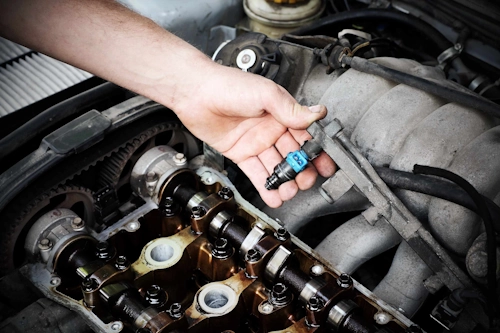
Fuel injectors are among the most critical components in modern engines, responsible for delivering precisely metered amounts of atomized fuel to the combustion chamber. When they malfunction, your vehicle's performance, fuel economy, and emissions can all suffer significantly. Understanding replacement costs, recognizing warning signs, and implementing proper maintenance can save you thousands in repair bills while keeping your engine running smoothly for years to come.
Understanding Fuel Injector Function and Importance
Fuel injectors have replaced carburetors in modern vehicles for good reason—they provide superior fuel atomization, better engine responsiveness, improved fuel economy, and reduced emissions. These electrically-controlled components work under precise computer control to deliver the exact amount of fuel needed for optimal combustion.
Each cylinder in your engine has its own fuel injector (4, 6, 8, or more depending on your engine size). The process begins when the fuel pump sends gasoline or diesel to the injectors. Your vehicle's computer then tells each injector how much fuel the engine needs based on driving conditions—more during acceleration, less when idling. The injectors atomize the fuel, turning it into a fine mist that's sprayed into the combustion chamber via a nozzle at the end of each injector.
Symptoms of Failing Fuel Injectors
Recognizing the early warning signs of fuel injector problems can prevent more extensive damage to your engine. Common symptoms include:
| Symptom | Description |
|---|---|
| Decreased Fuel Economy | Clogged or malfunctioning injectors disrupt the optimal air-fuel mixture, causing your engine to consume more fuel than necessary. |
| Engine Misfires and Rough Idling | When injectors fail to deliver the proper amount of fuel, you may experience engine vibration, inconsistent RPMs, and rough idling. |
| Hesitation During Acceleration | A clogged fuel injector cannot provide sufficient fuel when needed, resulting in sluggish acceleration and reduced power. |
| Engine Stalling | Severely clogged injectors may cause your engine to stall, particularly at lower speeds or when idling. |
| Check Engine Light | Modern vehicles will often illuminate the check engine light when detecting irregularities in the fuel delivery system. |
| Increased Emissions | Faulty injectors lead to incomplete combustion, resulting in higher harmful emissions. |
Fuel Injector Replacement Cost Breakdown
The cost of replacing fuel injectors varies significantly based on several factors. On average, you can expect to pay between $350 to $850 for a standard vehicle, with luxury models potentially costing up to $2,500 for a complete replacement.
Factors Influencing Replacement Cost
Several elements contribute to the final cost of fuel injector replacement:
- Vehicle Make and Model: Luxury vehicles and larger trucks typically command higher prices for both parts and labor.
- Engine Size: Replacing injectors on a V8 engine will cost significantly more than a four-cylinder engine due to the increased number of injectors.
- Labor Costs: Mechanic labor rates vary by location and expertise, typically ranging from $90 to $150 per hour.
- Type of Injectors: Direct injection systems often require more expensive injectors than port fuel injection systems.
- Warranty Coverage: If your vehicle is still under warranty, parts or labor may be covered, reducing your out-of-pocket expense.
Replacement Options: Single vs. Complete Set
When facing fuel injector failure, you have two primary approaches:
| Option | Pros | Cons | Consider When... |
|---|---|---|---|
| Replace One Injector | Most affordable short-term solution | May lead to additional labor costs later as other injectors fail | Budget is tight, or failure occurs at low mileage without obvious cause |
| Replace All Injectors | Saves on future labor costs, prevents cascading failures | Higher upfront expense | Your injectors have failed due to wear or age (typically over 50,000 miles) |
Professional Tip: For vehicles with over 60,000 miles, most mechanics recommend replacing all injectors simultaneously. Since they experience similar wear patterns, the others will likely fail soon anyway, making complete replacement more cost-effective in the long run.
Fuel Injection System Maintenance and Prevention
Regular maintenance is far more economical than replacement. Proper care can extend the life of your fuel injectors to 150,000 miles or more. Here are essential maintenance practices:
Regular Fuel Injection Service
Professional fuel injection services, recommended every 30,000-45,000 miles, include:
- Extensive inspection of fuel lines, fuel rail, pressure regulator, and connections
- Thorough cleaning of fuel injectors and throttle body air intake
- Pressure testing of the fuel pump and system
- Decarbonizing of intake manifold, exhaust valves, combustion chamber, and pistons
- Engine computer checkup to ensure proper air/fuel mixture
DIY Maintenance Tips
Between professional services, you can help maintain your fuel injection system by:
- Using High-Quality Fuel: Premium fuels with detergent additives help prevent carbon buildup.
- Regular Filter Replacement: Change fuel filters every 20,000-30,000 miles to prevent contaminants from reaching injectors.
- Fuel Injector Cleaners: Use quality fuel injector cleaning additives every 3,000-5,000 miles ($10-20 per treatment).
- Monitoring Water Separators: For diesel vehicles, regularly inspect and drain water separators to prevent water contamination.
- Avoiding Extended Idling: Limit idling time to reduce carbon buildup in the fuel system.
Warning: Be cautious with aftermarket cleaning products. While some are effective, others can damage sensitive injector components. When in doubt, consult with a professional mechanic or use products recommended by your vehicle manufacturer.
Benefits of Proper Fuel Injection Maintenance
Keeping your fuel injection system in optimal condition provides multiple advantages:
- Improved Fuel Economy: Clean injectors provide proper fuel atomization, allowing for more efficient combustion and better gas mileage.
- Enhanced Engine Performance: Proper fuel delivery results in smooth acceleration, higher speeds, and reduced engine hesitation.
- Reduced Emissions: Efficient combustion decreases the amount of harmful pollutants released into the atmosphere.
- Extended Engine Life: A clean fuel system reduces excessive wear on engine components, decreasing long-term maintenance costs.
When to Seek Professional Help
While some maintenance tasks can be performed at home, many aspects of fuel injection service require professional expertise. Seek professional assistance when:
- You experience multiple symptoms of injector failure simultaneously
- Your check engine light remains illuminated
- You're uncomfortable working with high-pressure fuel systems
- Basic cleaning methods don't resolve performance issues
Certified technicians have specialized equipment to properly diagnose and service modern fuel injection systems, including professional-grade cleaning tools, fuel pressure gauges, and electronic diagnostic equipment.
Conclusion
Fuel injectors are precision components that play a vital role in your vehicle's performance, efficiency, and emissions control. While replacement costs can be significant ($350-$850 on average), proper maintenance can help you avoid premature failure and extend their lifespan beyond 100,000 miles. Regular fuel injection services, using quality fuel, and addressing problems early are key strategies to prevent costly repairs.
By recognizing the early warning signs of injector trouble and implementing the maintenance practices outlined in this guide, you can ensure optimal engine performance, maximize fuel economy, and avoid unexpected breakdowns. Remember that investing in preventive maintenance is always more economical than dealing with the consequences of neglected fuel system care.