

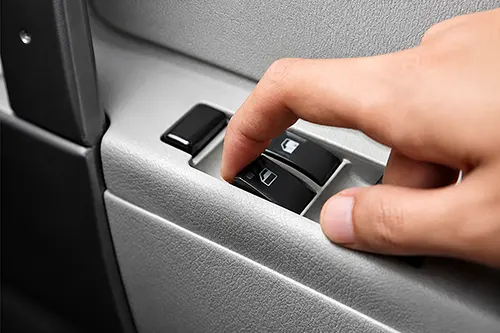
Few automotive nuisances are as frustrating as a power window that works perfectly in the morning but creeps up like a sleepy turtle on a hot summer afternoon. You press the switch, hear the motor strain, and watch the glass inch upward while the other windows zip along without drama. The problem is real. It’s temperature‑dependent. And it leaves a lot of drivers wondering: is the motor dying, are the window tracks binding, or is something stealing voltage at exactly the moment the system needs it most? For the DIY enthusiast, understanding the interplay between heat, electrical resistance, and mechanical friction is the key to a permanent fix—without throwing expensive parts at the wrong suspect.
The Thermal Mystery: Why Heat Changes Everything
Heat is the enemy of both electrical and mechanical components. Once the cabin temperature climbs above 80°F (27°C), or direct sunlight bakes one particular door panel, three distinct things can start happening inside your window regulator system. Maybe four, really:
- Electric motors lose torque: Permanent magnet DC motors (the type used in power windows) suffer reduced magnetic field strength as the magnets heat up. On top of that, winding resistance increases with temperature, which reduces current flow and, in turn, torque.
- Grease and lubricants thin or dry out: Factory grease on window regulator tracks and slider channels can melt, run off, or simply harden after years of thermal cycling. When it gets hot, what remains may become gummy or too thin to reduce friction.
- Connectors and wiring develop higher resistance: Corroded terminals or loose crimps expand at different rates, creating micro-gaps. Under load, when the motor draws peak current, voltage drops sharply.
- Door rubber weatherstrips become sticky: Heat softens the rubber, increasing drag on the glass edges—especially on frameless windows or older vehicles.
The fact that only one window misbehaves when hot points to a localized problem, not a global battery or alternator issue. What is important is figuring out which localized problem you’re actually dealing with. Let’s break down each candidate.
Suspect #1: Motor Wear – The Thermal Breakdown
Permanent magnet DC motors in power windows rely on brushes riding on a commutator. Over years of use, the brushes wear down, and the commutator becomes grooved. At normal temperatures, the worn motor may still produce enough torque to lift the window. Heat changes that picture fast.
- Increased brush resistance: Worn brushes have less spring pressure. When hot, the contact resistance rises, cutting current and torque.
- Magnet weakening: Old ferrite magnets lose up to 20% of their strength at elevated temperatures (above 140°F / 60°C inside a door panel in summer). The motor simply can’t develop enough rotational force.
- Thermal cut‑out (PTC effect): Many window motors contain a bi‑metallic thermal protector. If the motor runs slow because of mechanical bind, it draws higher current, heats up, and the protector opens. After cooling, it works again. This mimics a “slow only when hot” symptom, but it’s actually the consequence of another root issue.
Diagnostic test for motor wear: Next time the window is slow, immediately feel the door panel near the motor. If it’s extremely hot, yet the glass moves with only modest resistance when you assist it by hand from inside, carefully, the motor is likely failing. A healthy motor should run warm, not scorching. It is worth noting, too, that sound matters here: a slow, labored whine that speeds up as you help the window is classic brush or magnet failure.
Suspect #2: Dry or Dirty Tracks – The Friction Trap
The window regulator system includes a metal track, often a stamped channel, plastic sliders or rollers, and a scissor‑type or cable‑type mechanism. Rubber weatherstrips along the window frame add resistance too. Over time, the original lithium grease dries out, collects dust, and turns into a sticky paste. In hot weather, that paste can behave like cold honey—thick, stubborn, and bad at doing its job—dramatically increasing the force required to move the glass.
How to isolate friction vs. motor problem: Disconnect the window glass from the regulator, usually by removing two bolts through access holes in the door panel. Then manually slide the glass up and down in its channels. It should move with very little resistance, just the friction of the weatherstrip. If it feels gritty, sticky, or takes noticeable effort, the tracks and/or seals are the main problem. If the glass moves freely but the regulator, with the motor still connected, is still slow or stalls when hot, focus on the motor or voltage instead.
Even more telling is the “assist test.” Roll the window up while using your other hand to gently push the glass upward from inside the car. If the speed returns to normal with only a small amount of help, the cause is excessive friction—dry tracks or sticky seals—rather than a weak motor. A genuinely weak motor will still struggle even with assistance because it just doesn’t have the torque. That’s a pretty big clue.
Suspect #3: Voltage Loss Under Load – The Electrical Saboteur
Voltage drop is the silent killer of power accessories. The window motor needs a solid 12-14 volts at full load to produce rated torque. Heat can make an existing resistance problem worse, sometimes a lot worse:
- Corroded door jam connector: The bundle of wires that passes from the body into the door usually runs through a rubber accordion boot. Over the years, moisture can create green corrosion on the terminals, which increases resistance. Heat expands the terminals and can make the connection worse.
- Worn window switch contacts: The master switch panel takes a beating. Internal contacts arc and develop carbon deposits. When hot, resistance rises, and voltage to the motor falls off.
- Thin or long wiring: Some vehicles undersize the window motor wiring. A few extra feet of wire from the factory already creates a voltage drop. Add age and heat, and the motor starts getting starved.
How to test for voltage loss: This requires a digital multimeter. Set it to DC volts (20V scale). Back‑probe the two wires at the window motor connector while the motor is running, even if it’s running slowly. Measure voltage between the positive wire and ground, then between positive and negative directly at the motor. Compare that reading to the voltage measured directly at the battery terminals. A drop of more than 1.5-2 volts under load points to significant resistance somewhere in the circuit. Then, while the motor is straining, move the wiring harness. If the speed suddenly improves, you’ve probably found a loose or corroded connection.
A simpler field test works too: swap the problematic window’s switch with a known good one, if they are identical. If the problem moves, it’s the switch. If not, keep digging.
Comparative Diagnosis Table: Motor vs. Tracks vs. Voltage
| Test / Symptom | Motor Wear | Dry / Dirty Tracks | Voltage Loss |
|---|---|---|---|
| Window slow only when hot; normal when cool | ✓ Common | ✓ Very common | ✓ Possible |
| Manual assist (pushing glass) returns normal speed | No (still slow) | Yes (speed improves) | No (still slow unless voltage recovers) |
| Motor housing extremely hot to touch after use | ✓ Yes, due to internal resistance | Yes, due to overwork/overcurrent | No, motor runs cool or warm |
| Other windows work fine at any temperature | ✓ (isolated motor) | ✓ (isolated track) | Possibly if individual wiring |
| Voltage at motor under load drops >2V from battery | No (if motor draws normal current) | Maybe (high current causes drop) | ✓ Yes, poor connection |
| Glass moves freely when disconnected from regulator | N/A | No (still sticky) | N/A |
Step-by-Step Diagnosis – Professional Approach
Follow this systematic procedure to avoid misdiagnosis. At first glance, a slow window looks simple. It kind of isn’t.
- Recreate the symptom: Park the car in direct sun on a 85°F+ day. Wait 30 minutes. Test the slow window against the others. Important: if ambient temperature is cool but the sun heats one door, such as the driver side, that door’s window may be slow while the passenger side is fine.
- Perform the assist test: While rolling up the slow window, gently push the glass upward with your palm, using a cloth to protect from edges. If speed returns to normal, clean and lubricate the tracks and weatherstrips first.
- Voltage drop test at the motor: Connect multimeter leads to the two motor terminals, using T‑pins to back‑probe. Operate the switch upward. The reading should be within 1.5V of battery voltage. If it falls below 10.5V with the engine running, inspect connectors and the switch.
- Bypass the switch temporarily: If you suspect the master switch, apply 12V directly from a fused jumper wire to the motor’s positive terminal, and ground the negative. If the window now works at normal speed even when hot, the switch is the culprit.
- Inspect and clean tracks: Remove the door panel. Clean old grease from the regulator channels using a degreaser and brush. Apply fresh white lithium grease or silicone spray, not WD‑40, to the tracks, sliders, and pivot points. Also spray the rubber tracks with silicone lubricant to reduce seal drag.
- Test motor amperage (advanced): Use a DC clamp meter around the motor’s positive wire. Normal window motor draw is 5-10 amps. If it pulls >15 amps when hot and slow, the motor is either failing or the mechanical resistance is extreme. Compare it to a known good window on the same vehicle.
Repair Solutions – Fixing It Right
Once you’ve identified the main cause, apply the fix that actually matches the problem. Sounds obvious. Plenty of people still skip this part and end up replacing the wrong thing.
For Motor Wear:
- Replace the motor/regulator assembly (often sold as a unit). Aftermarket units are affordable and often come with lifetime warranties. Avoid “rebuilt” motors with unknown brush condition.
- Upgraded motors: Some vehicles have high-torque aftermarket motors designed for extreme climates. Worth the extra $20.
For Dry/Dirty Tracks:
- Clean and lubricate: Remove old grease completely. Use a stiff brush and brake cleaner, while protecting surrounding areas. Then apply white lithium grease to regulator slides and silicone spray to rubber weatherstrips. Avoid petroleum‑based greases on rubber—they cause swelling.
- Check for bent regulator arms: If the scissors mechanism is bent, it can bind when hot. Straighten it or replace the regulator.
- Weatherstrip replacement: Old, hardened weatherstrips can be replaced with OEM or aftermarket rubber. This is a more involved job, but it restores smooth glass movement.
For Voltage Loss Under Load:
- Clean door jamb connector pins: Unplug the connector inside the rubber boot, spray electrical contact cleaner, and reconnect several times to scrub the terminals. Apply dielectric grease to help prevent future corrosion.
- Replace window switch: Master switches are common failure points. Quality aftermarket switches cost $20-50 and take about 15 minutes to install. Use a pick tool to gently pry the switch panel.
- Add a relay harness (for advanced DIYers): Some enthusiasts install a dedicated relay near the battery that powers the window motor directly, triggered by the original switch. This eliminates factory wiring voltage drop. Kits are available for popular models.
Prevention: Keeping All Windows Fast Year‑Round
Once you’ve fixed the slow window, a few basic habits can keep it from coming back:
- Lubricate window tracks every spring before hot weather arrives. A 5‑minute spray of silicone into the vertical rubber channels works wonders.
- Cycle windows fully up and down weekly to distribute grease and prevent the motor from seizing in one position.
- Keep door drain holes clear to avoid water accumulation inside the door, which leads to connector corrosion.
- Apply dielectric grease to door jamb connectors every two years.
When to Call a Professional – And When to DIY
Most slow‑when‑hot window issues are very DIY‑friendly. You need only basic hand tools—a socket set, trim removal tools, and a multimeter—plus some patience. Still, a few situations get more involved. If the problem includes a broken regulator cable, which is common on cable‑drive systems, or a fused window that won’t move at all, replacement becomes trickier. Also, vehicles with advanced CAN‑bus systems, for example late‑model German cars, may require a scan tool to reset the “pinch protection” after motor replacement. In those cases, paying a specialist is money well spent.
Conclusion: Heat Doesn’t Have to Win
A power window that slows down only on hot days is rarely a mystery. It’s usually a predictable interaction between heat, friction, and electrical resistance. By testing methodically with the assist method, voltage drop measurements, and visual inspection of the tracks, you can pinpoint whether the motor is weak, the tracks are dry, or the wiring is starving the system. In most vehicles over five years old, the culprit is dry regulator tracks or sticky weatherstrips, both easily cured with an hour of cleaning and proper lubrication. But if the motor itself is failing, replacement is straightforward and affordable. Don’t just live with a sluggish window—every drive should include smooth, fast glass operation, no matter how hot it gets outside.
Remember: Safety first when working inside door panels. Disconnect the battery negative terminal before removing airbags or working near window mechanisms. And always test window operation before reinstalling the door panel. You really don’t want to do the job twice.